

AV over IP can scale enterprise spaces, but only when AV and network teams answer the hard design and support questions before procurement.
Enterprise town halls now carry executive trust. The AV environment needs production discipline, clear workflows, and support before the live moment.
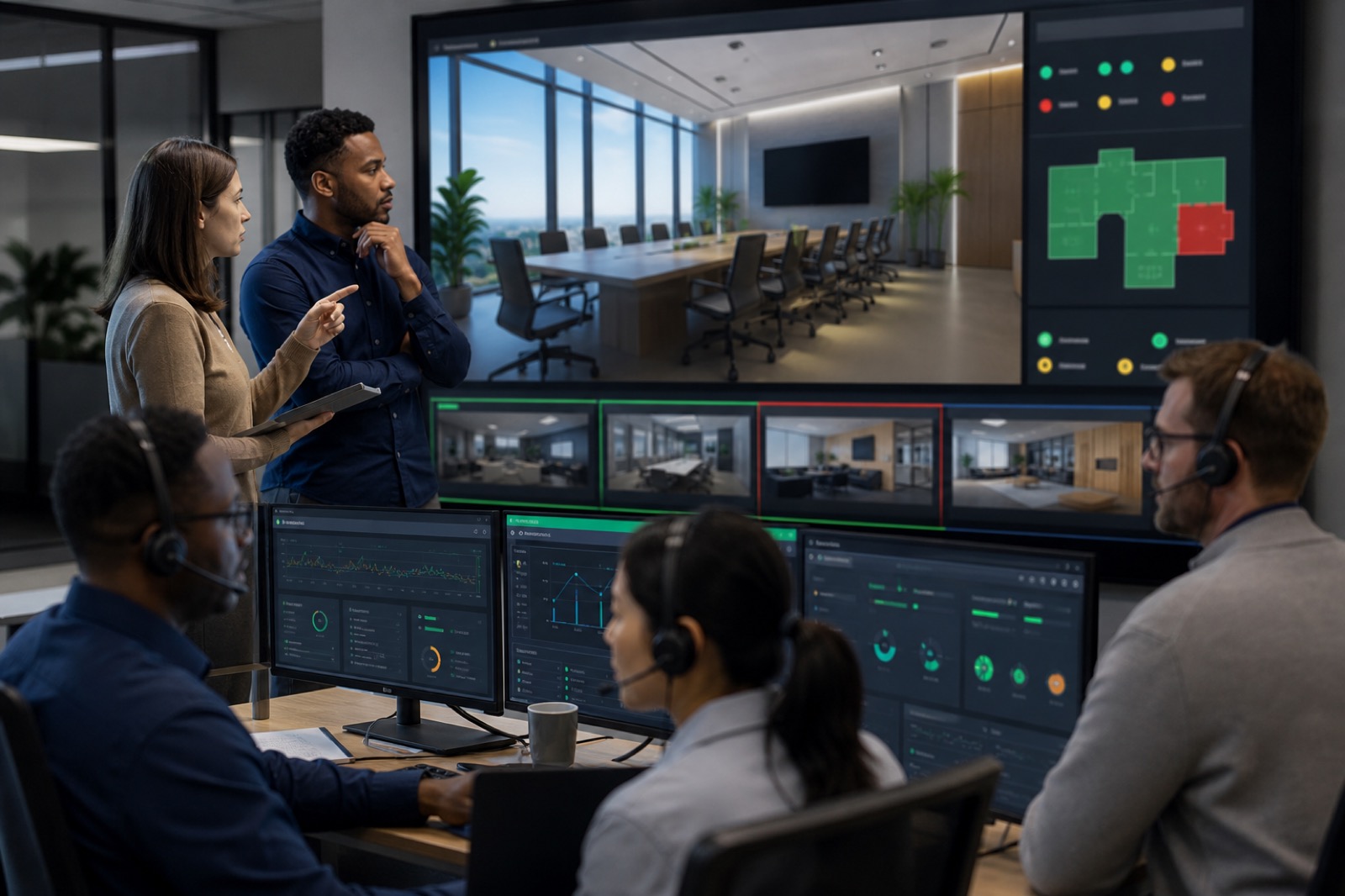
Room monitoring is only useful when someone owns the response. Managed AV operations connect analytics to fewer failures and better standards.
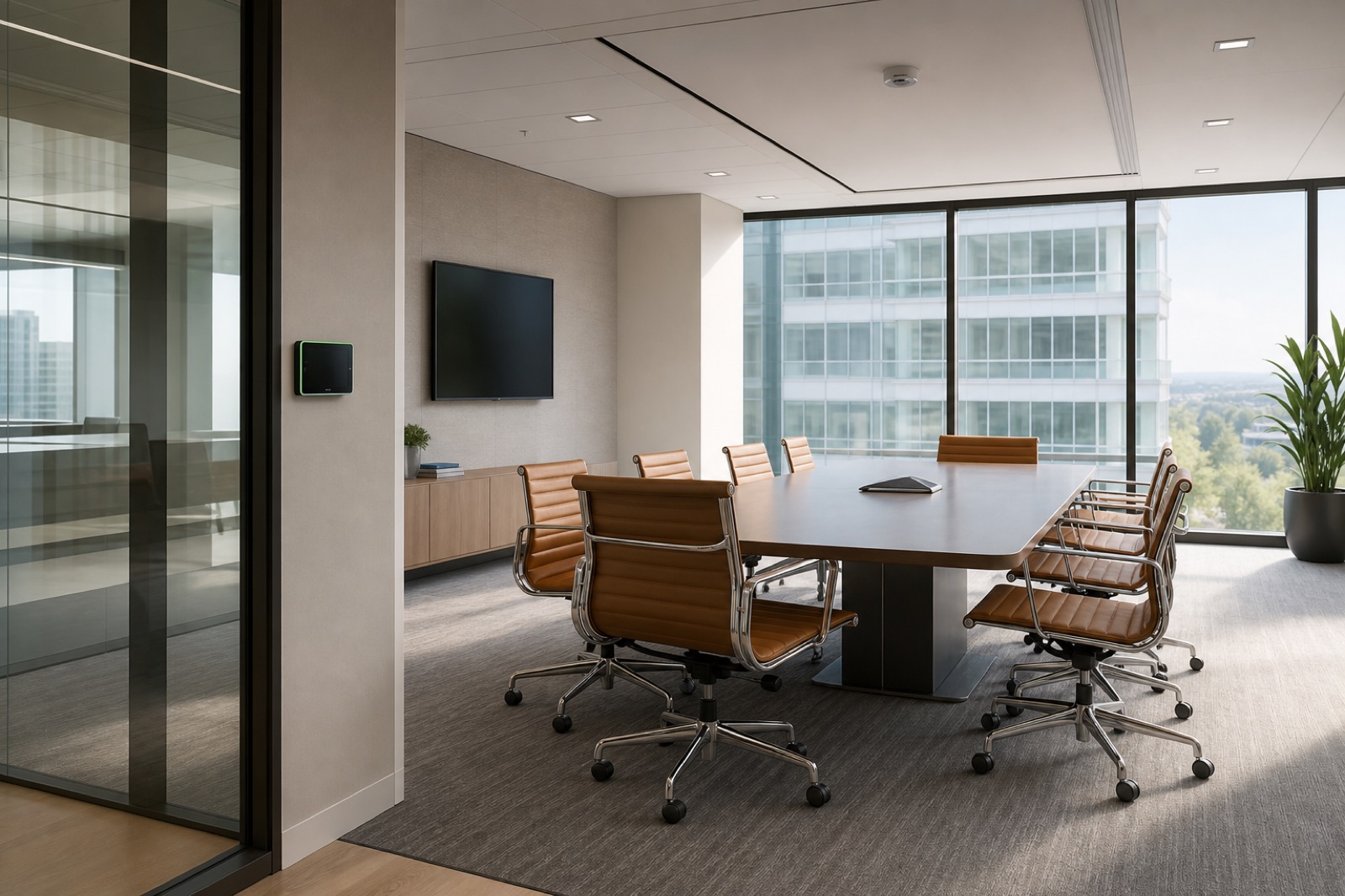
Connected rooms are part of the enterprise technology estate. Secure-by-design AV treats devices, networks, vendors, and lifecycle support as security decisions.
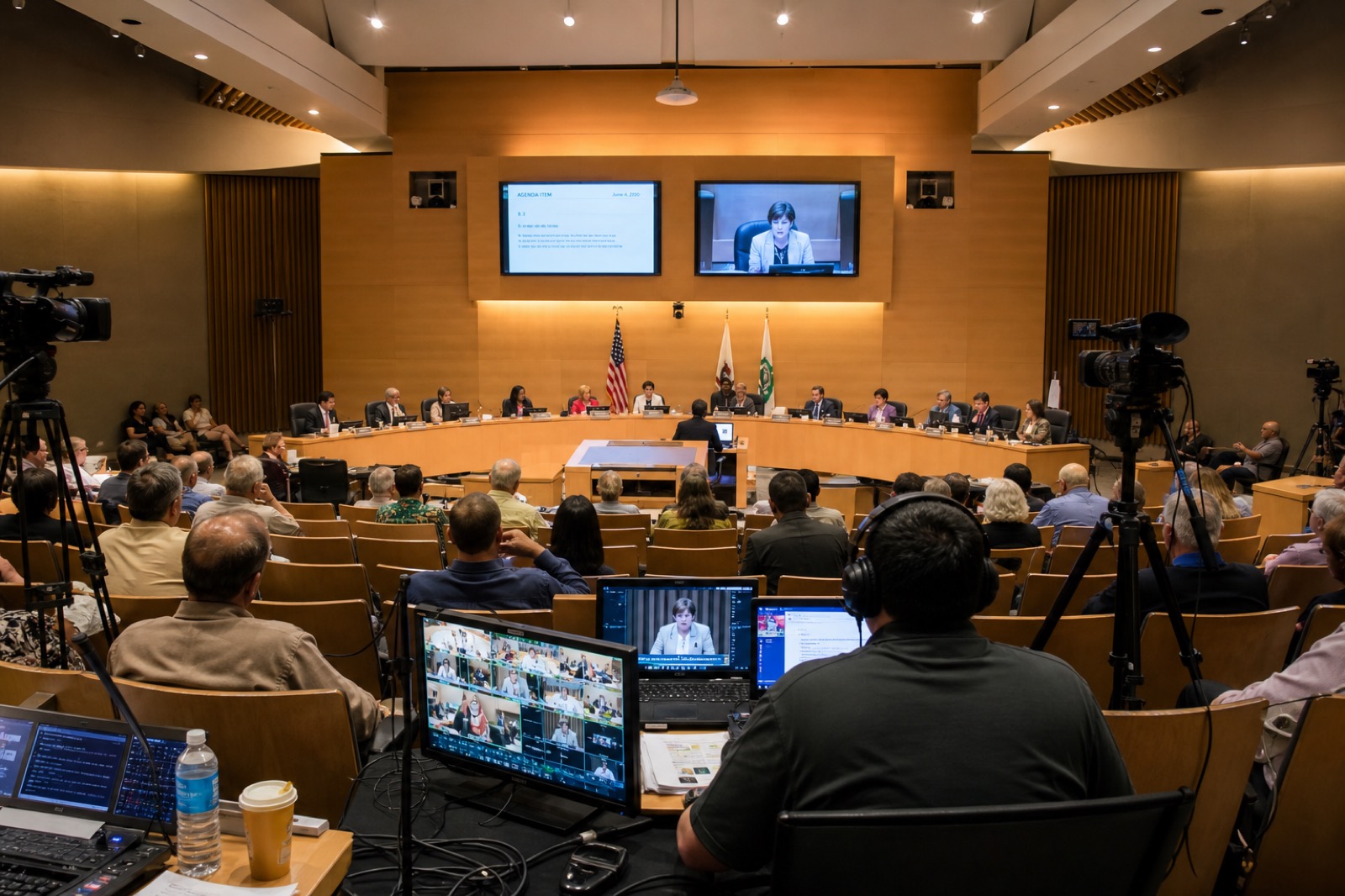
The DOJ Title II web rule is not only a website issue. Public meeting AV affects captions, archives, audio clarity, and digital access.

Hurricane season is a practical time to test whether an EOC can gather, display, share, and act on information under pressure.
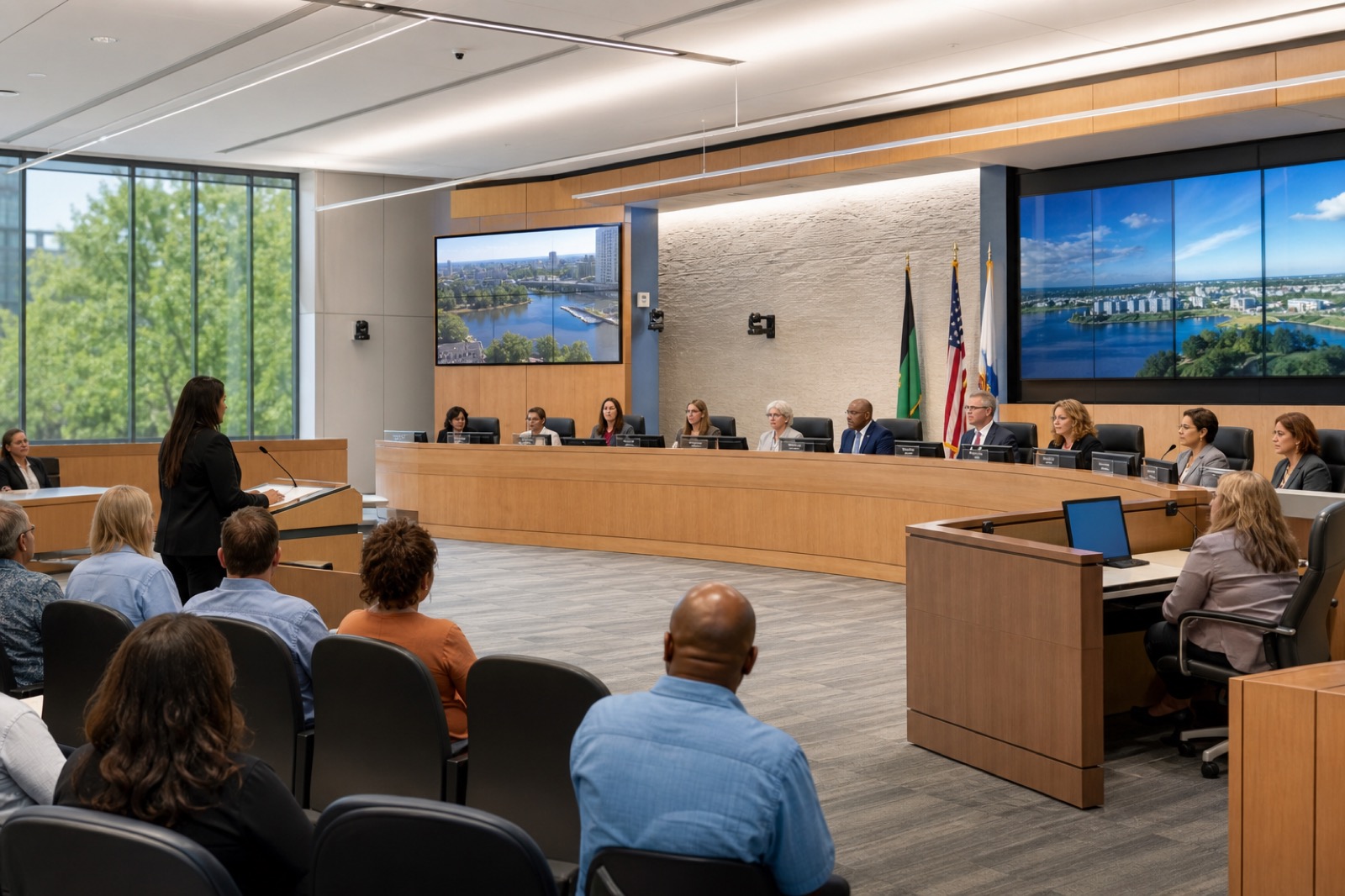
The value of a public meeting does not end when the stream stops. Citizens need clear audio, captions, archives, and usable search later.
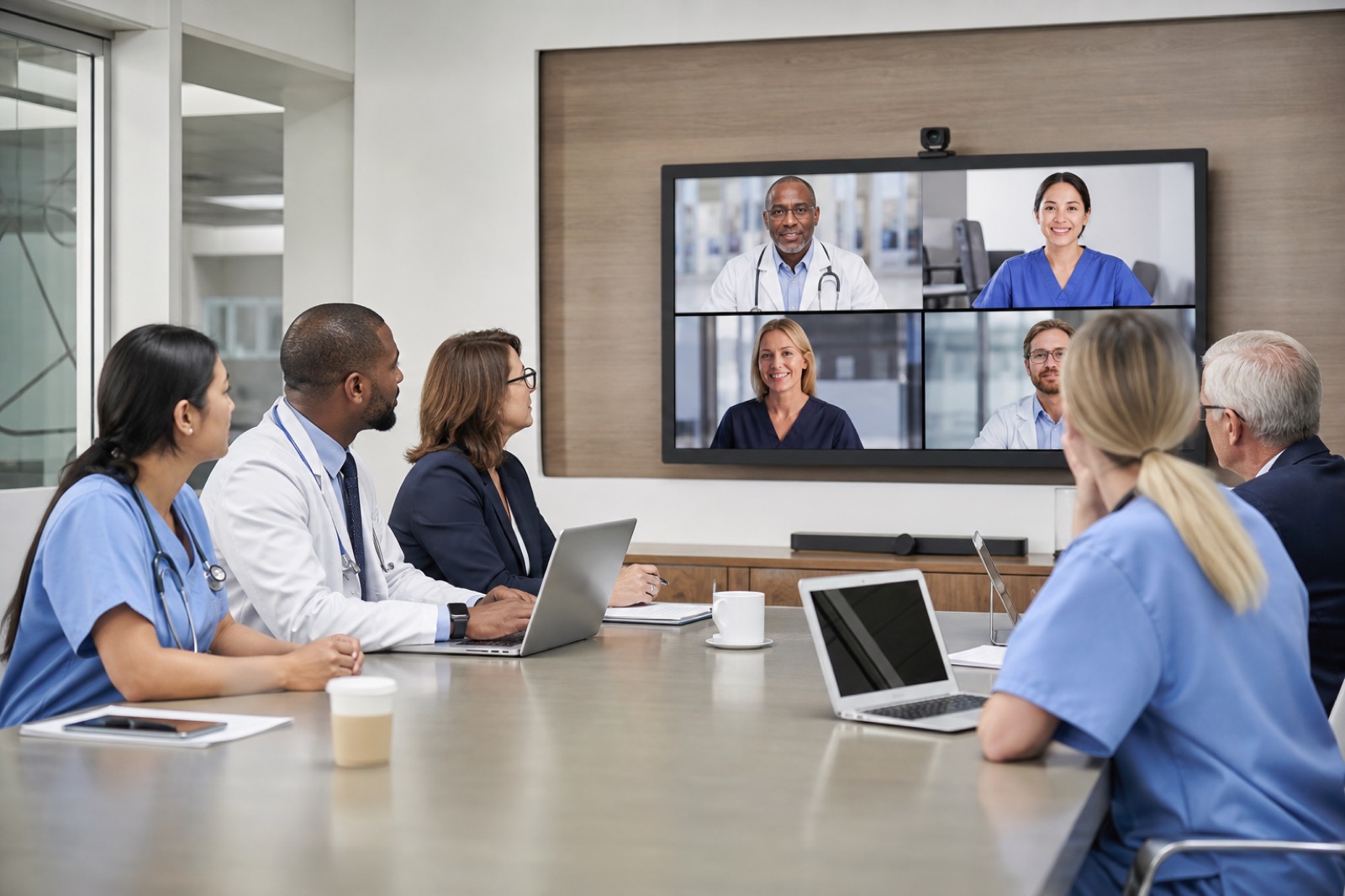
Healthcare AI front-door tools depend on the communication layer behind them. Secure UC workflows should be mapped before automation scales.
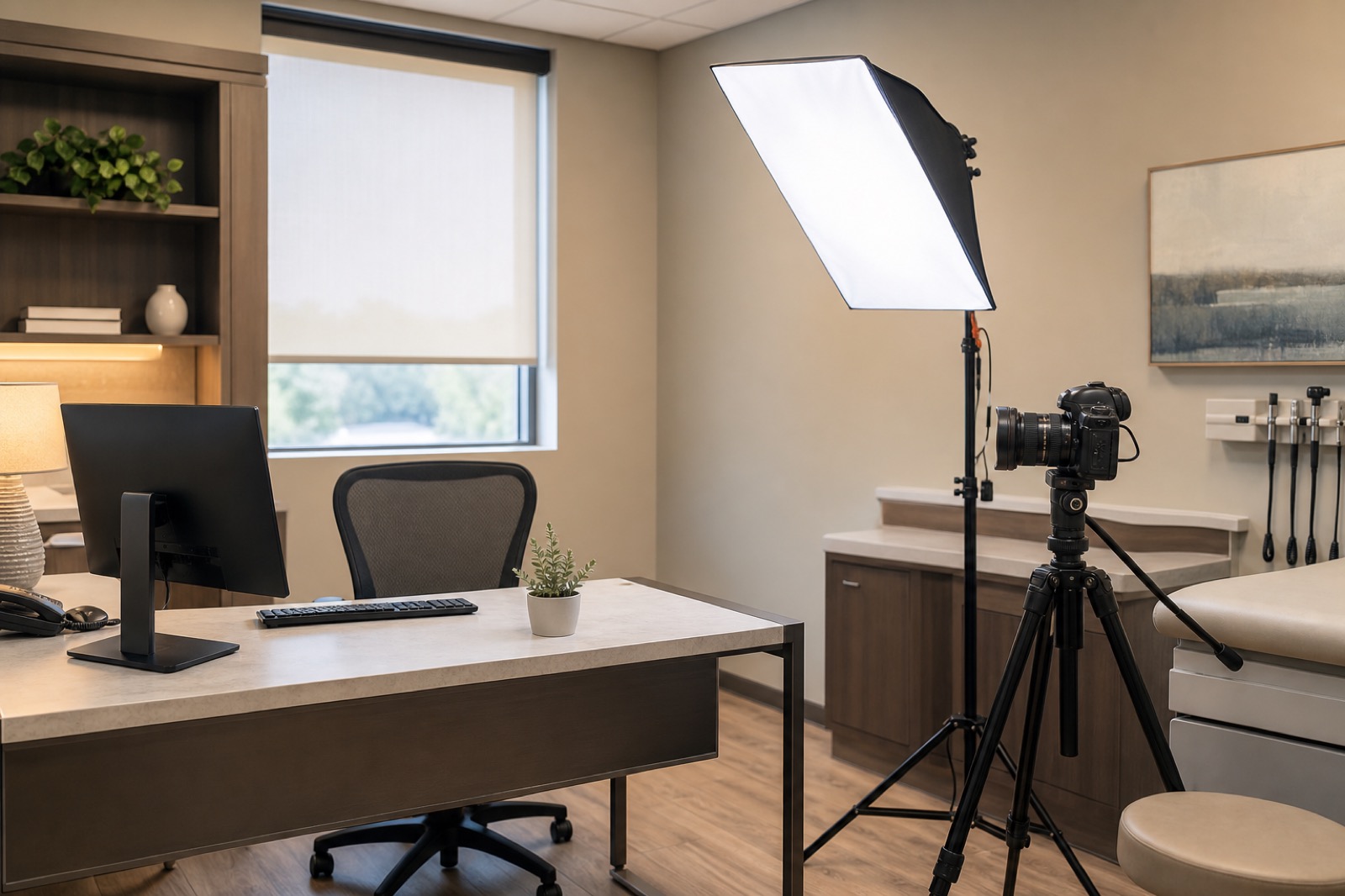
The 2027 telehealth policy extension gives healthcare teams planning runway. It does not replace the need for reliable, secure room standards.
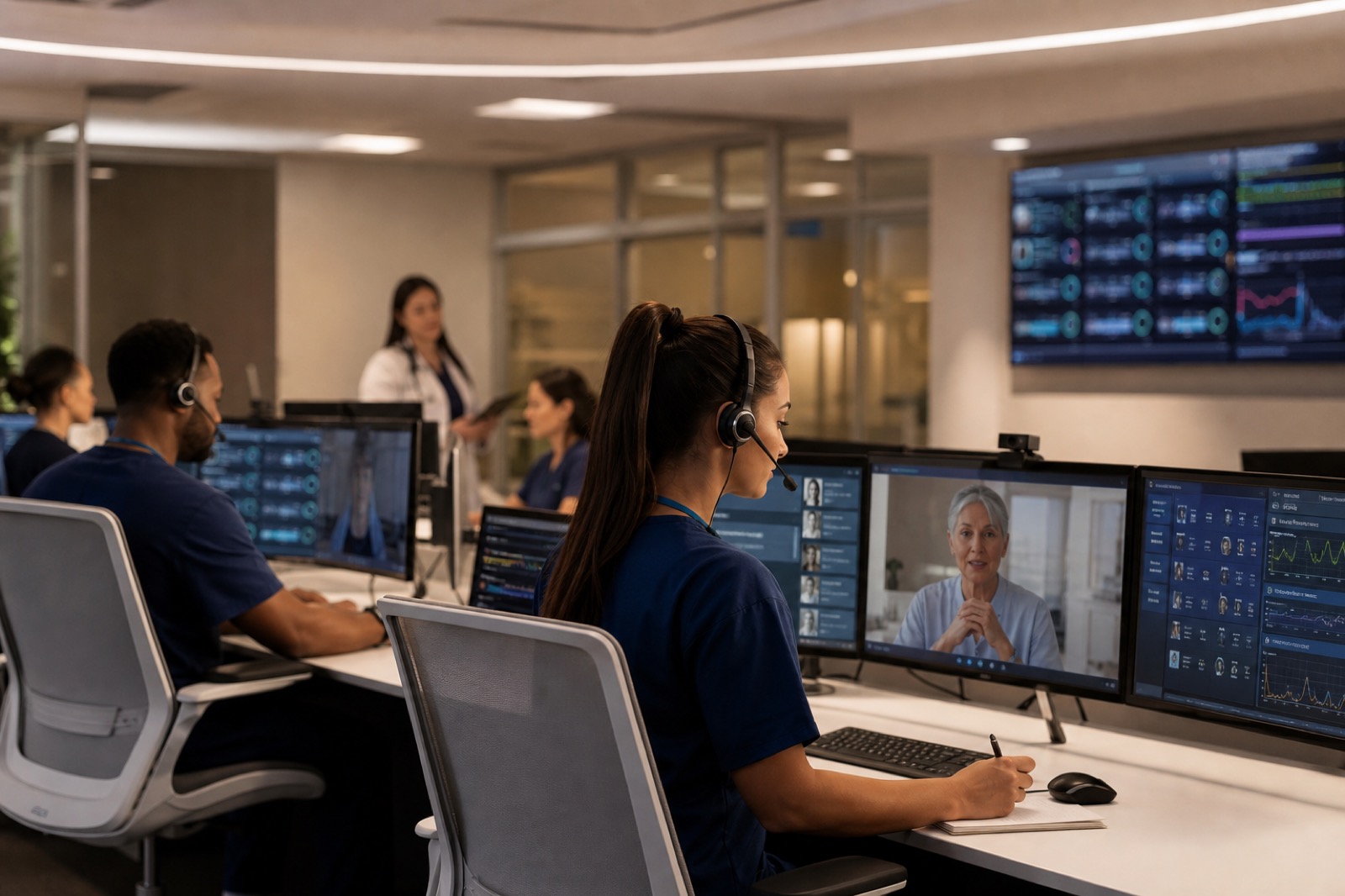
Scaling virtual nursing requires more than cameras. Patient rooms, command spaces, privacy controls, workflows, and support all need design discipline.
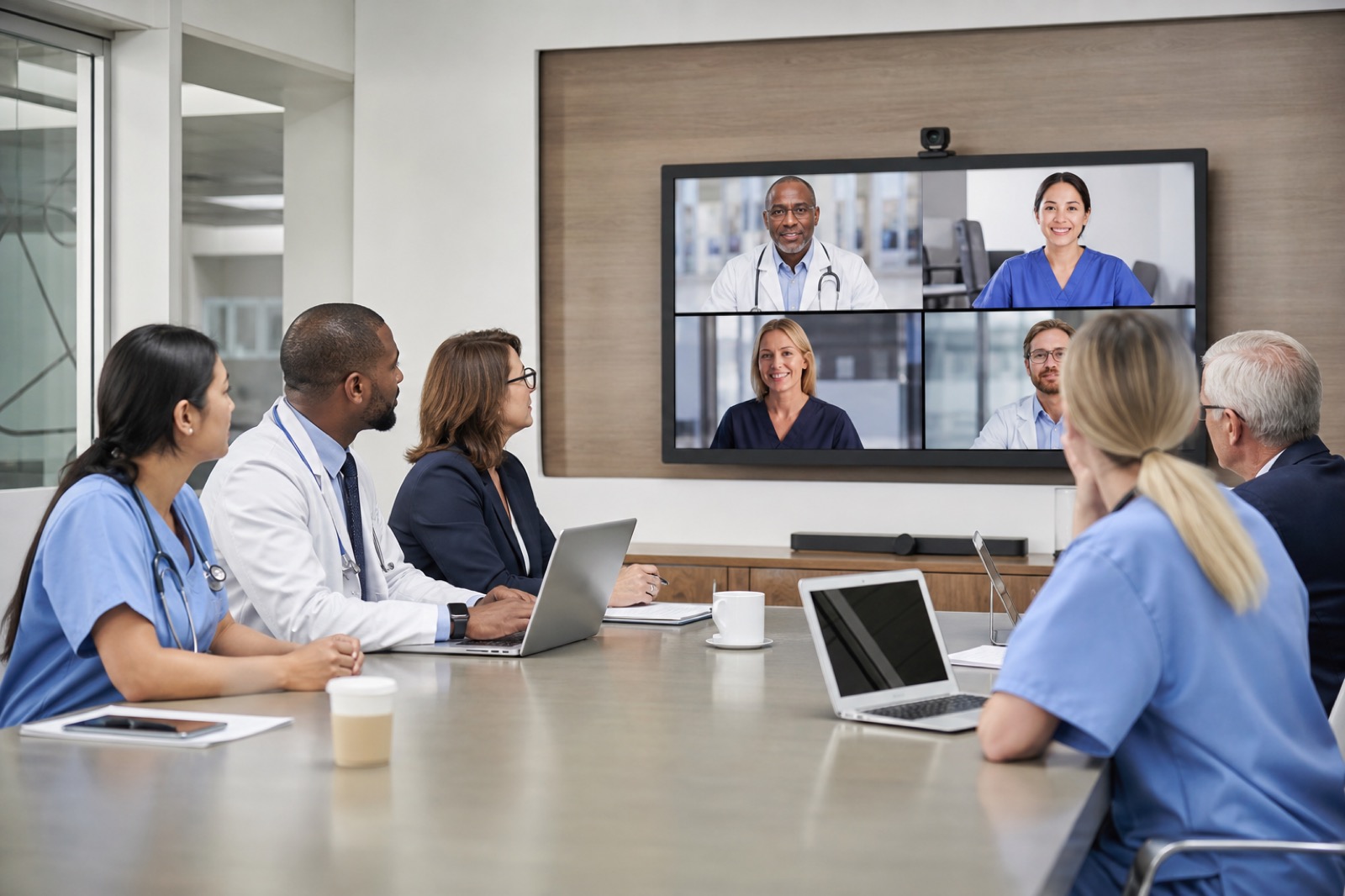
Healthcare collaboration decisions should be evaluated as clinical infrastructure. Use these questions to align security, privacy, workflows, usability, support, and vendor accountability before expanding UC or video systems.
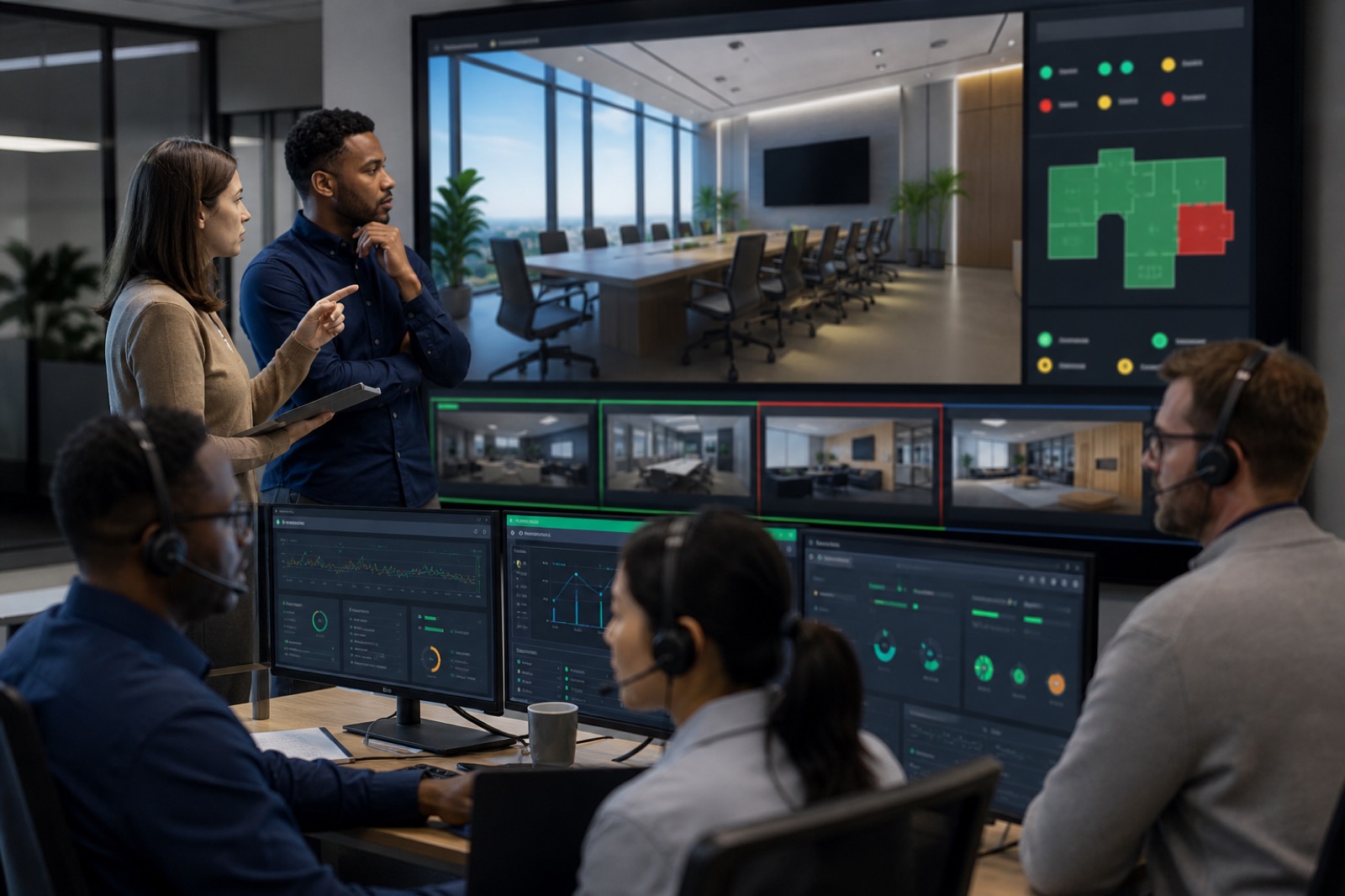
Meeting rooms now behave like business-critical endpoints. This guide explains how IT, AV, facilities, help desk, manufacturers, and managed services teams can use telemetry, standards, and lifecycle planning to prevent room failures before users feel them.
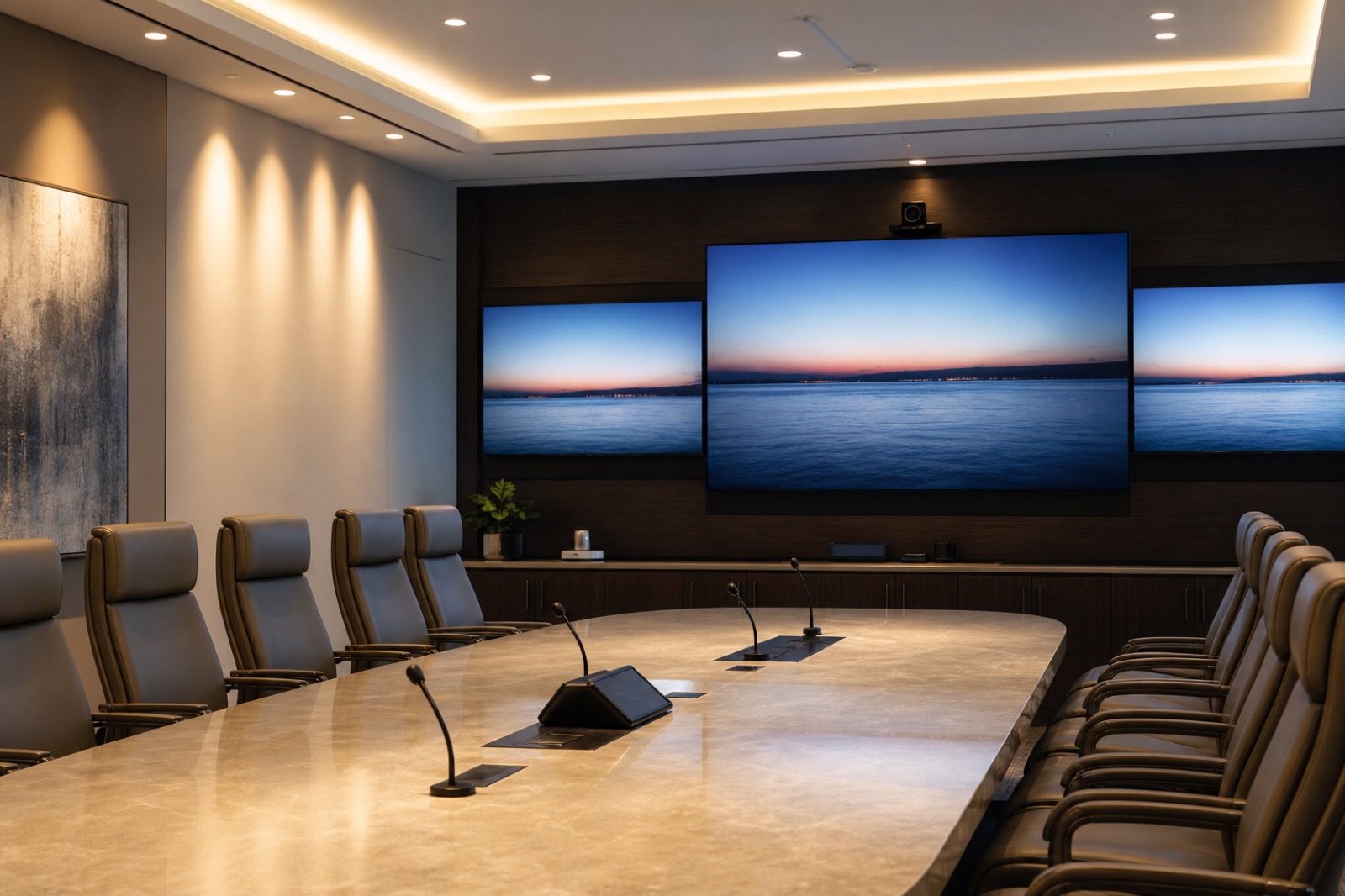
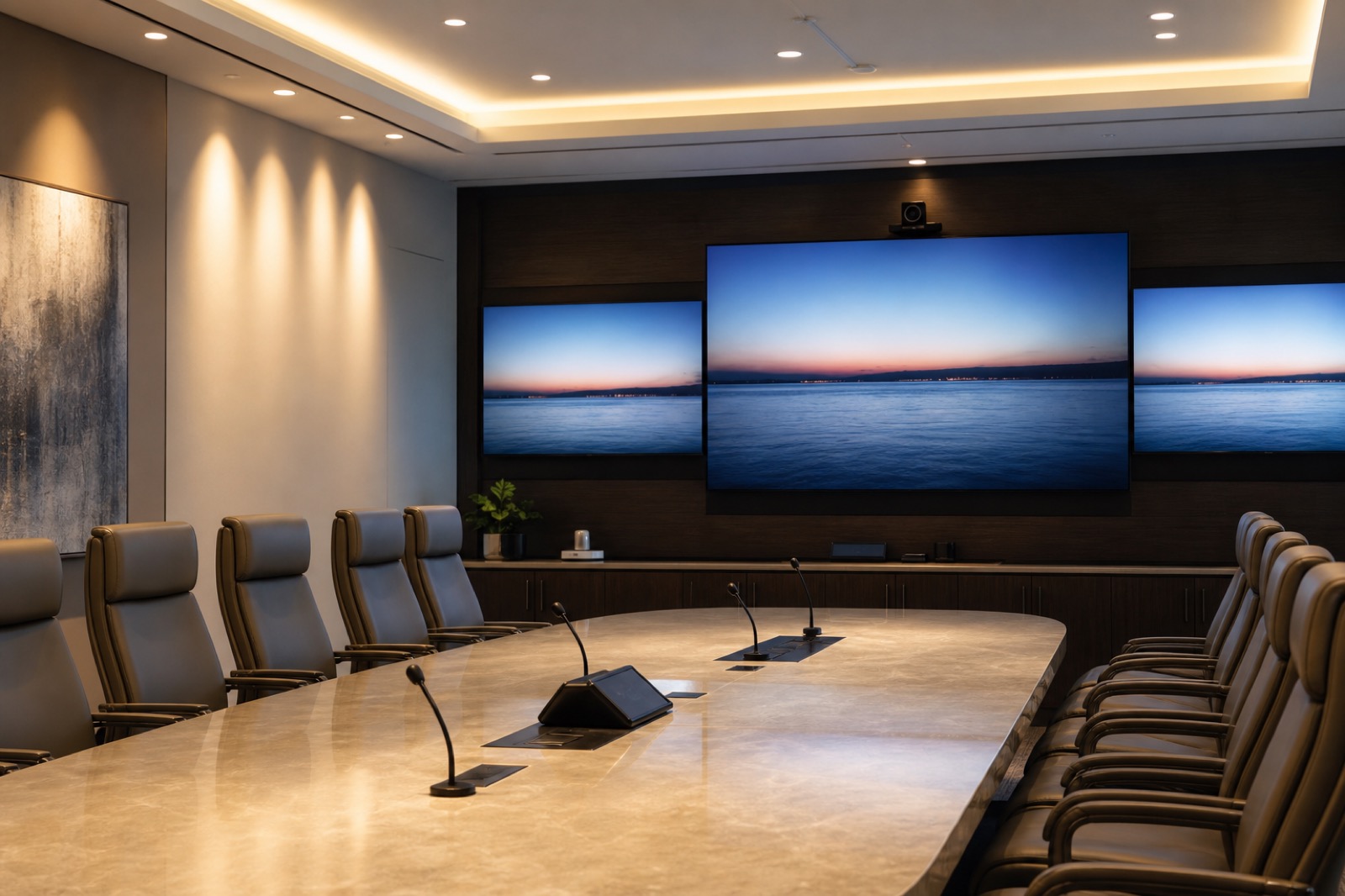
Premium executive rooms should do more than look impressive. They should help leaders, customers, and remote experts make decisions faster.
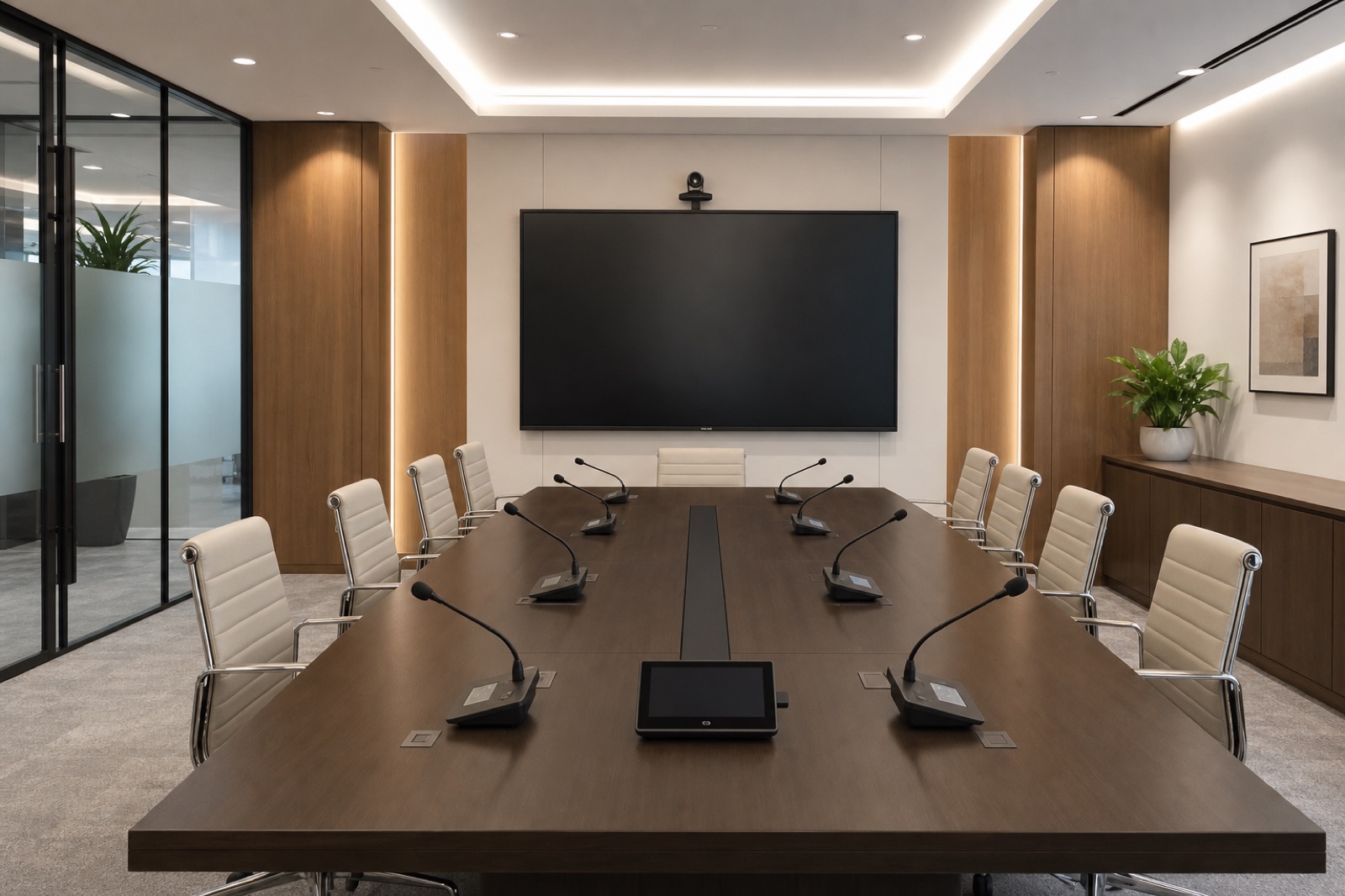
Room standards help enterprises make hybrid collaboration predictable across buildings, users, support teams, and future AI initiatives.
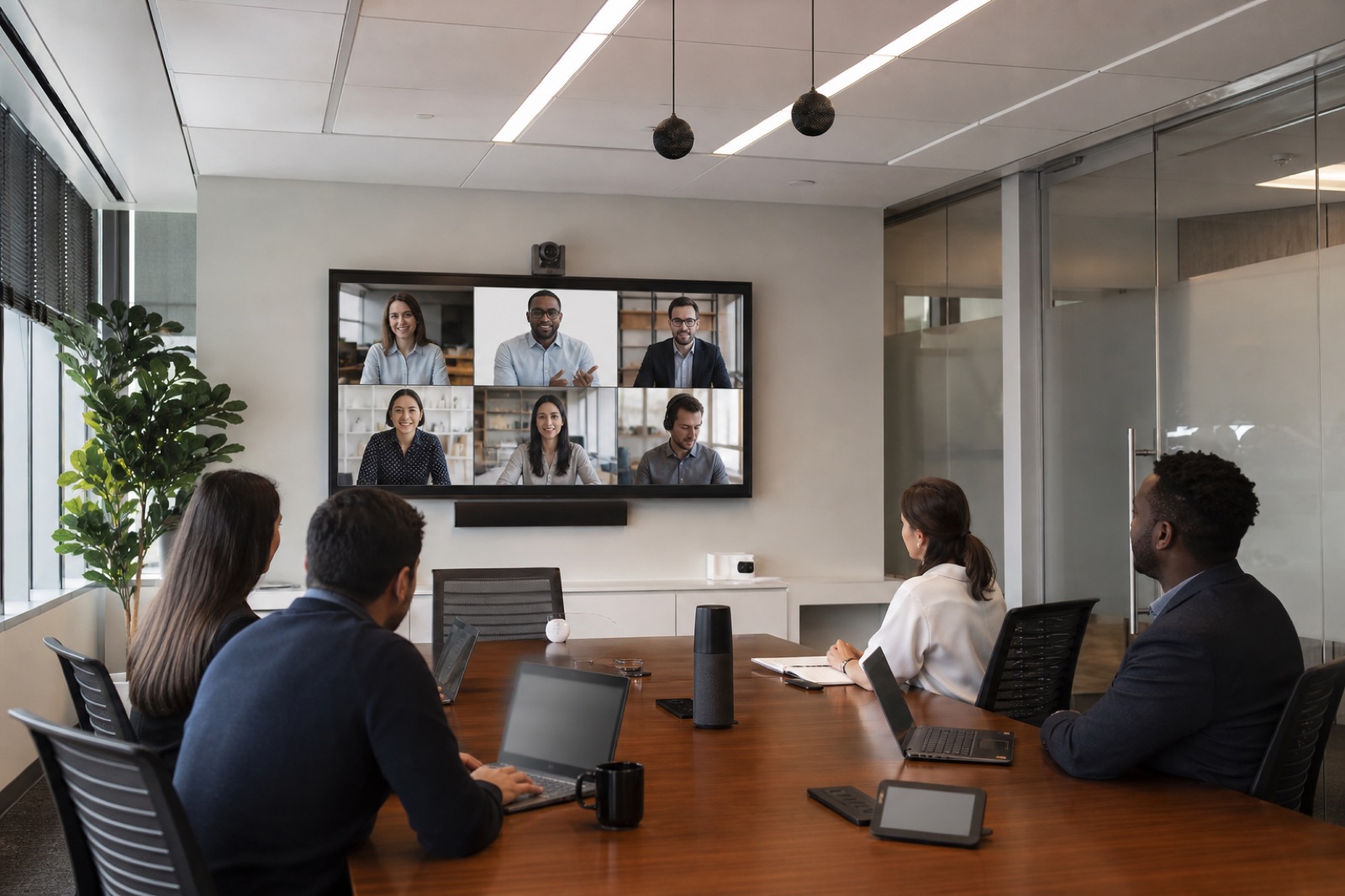
AI meeting assistants are only as useful as the room signals feeding them. Here is what enterprises should assess before scaling AI-enabled spaces.
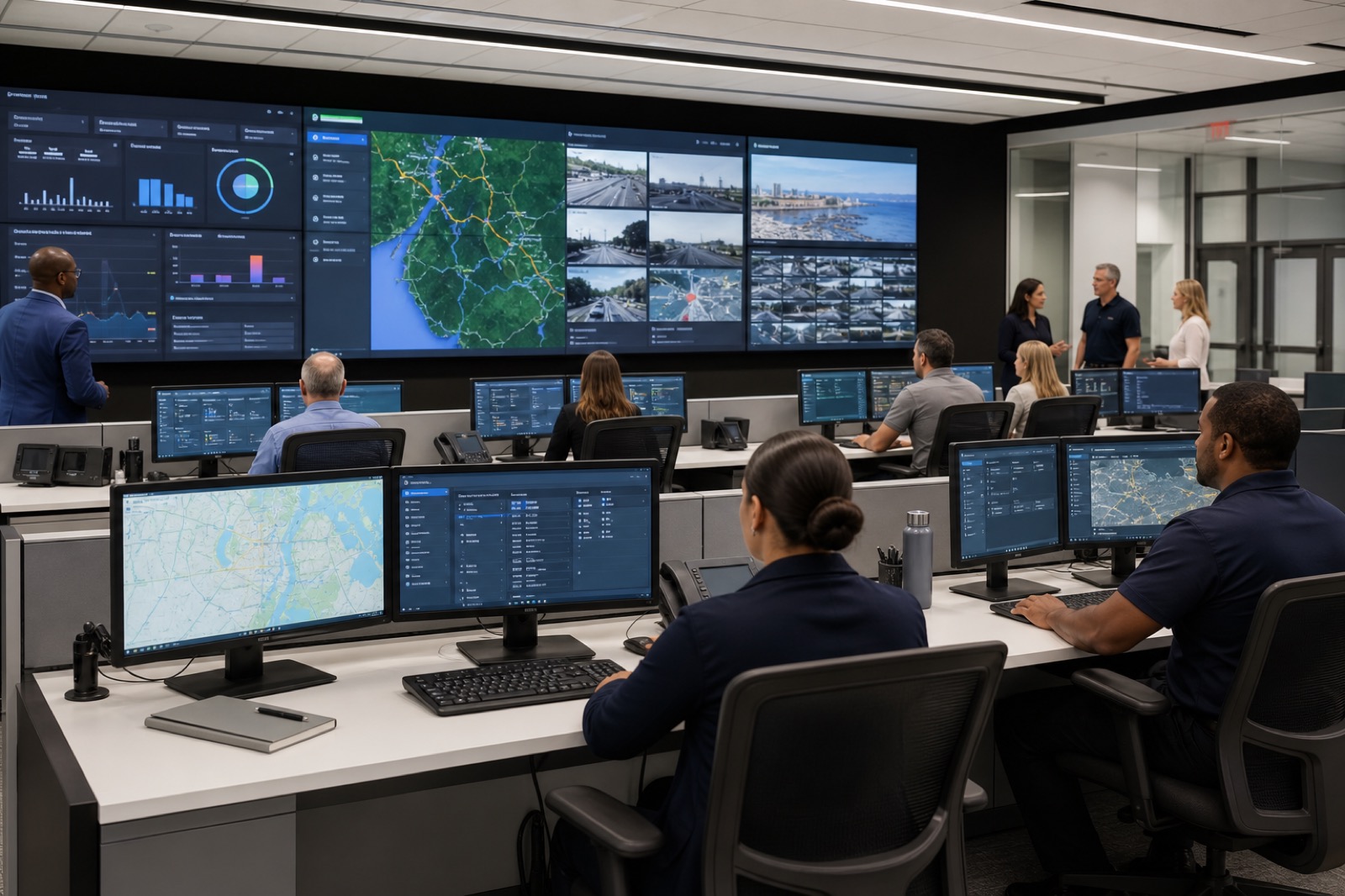
An EOC is not just a video wall. It is a resilient collaboration environment that must be ready before the next incident.
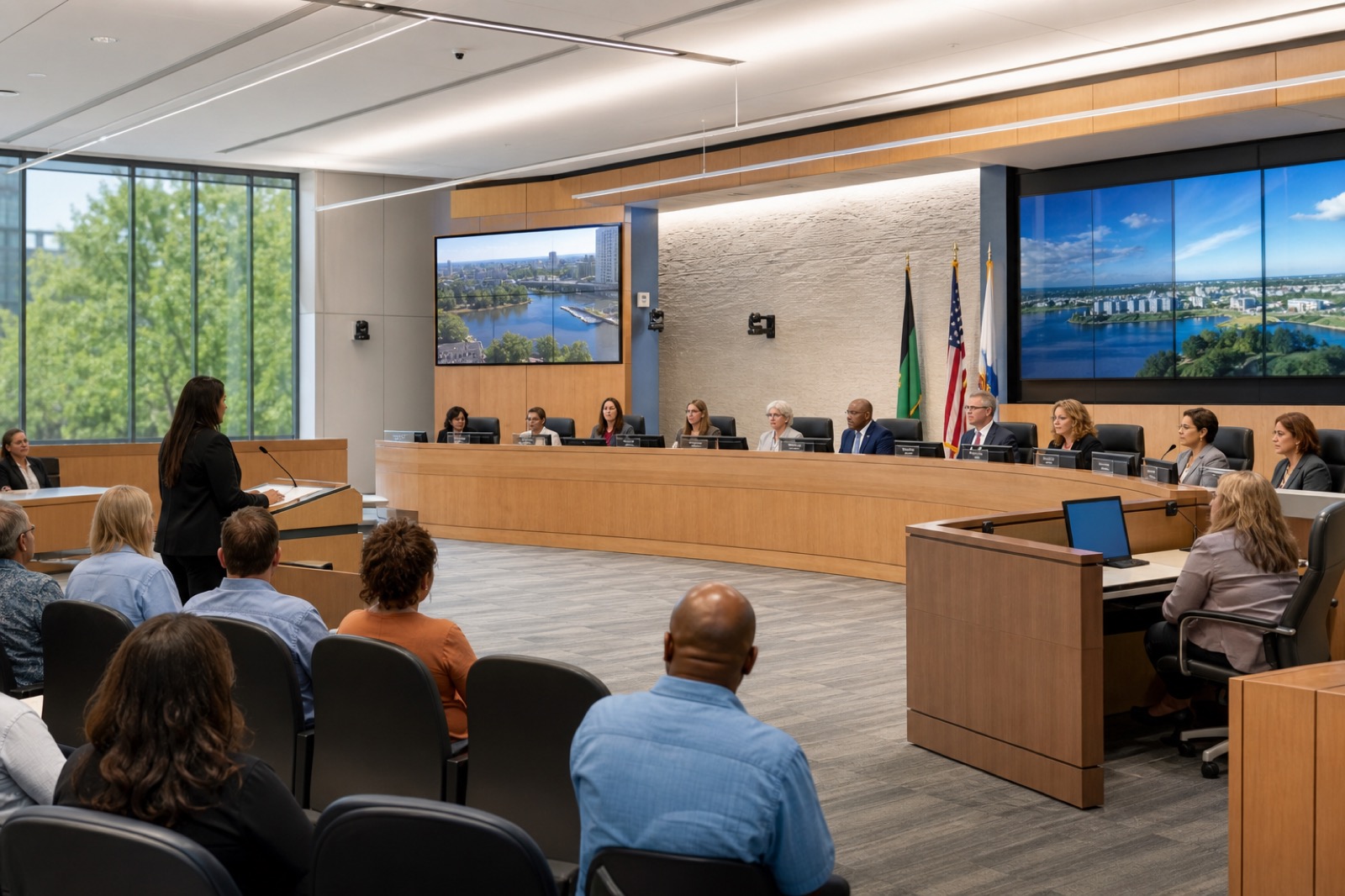
Council chamber AV is now public access infrastructure. Here is what local governments should plan for when modernizing hybrid public meeting spaces.

The best classroom AV standards do not force every room into one design. They define repeatable experiences by room type so faculty can teach confidently and support teams can operate predictably.
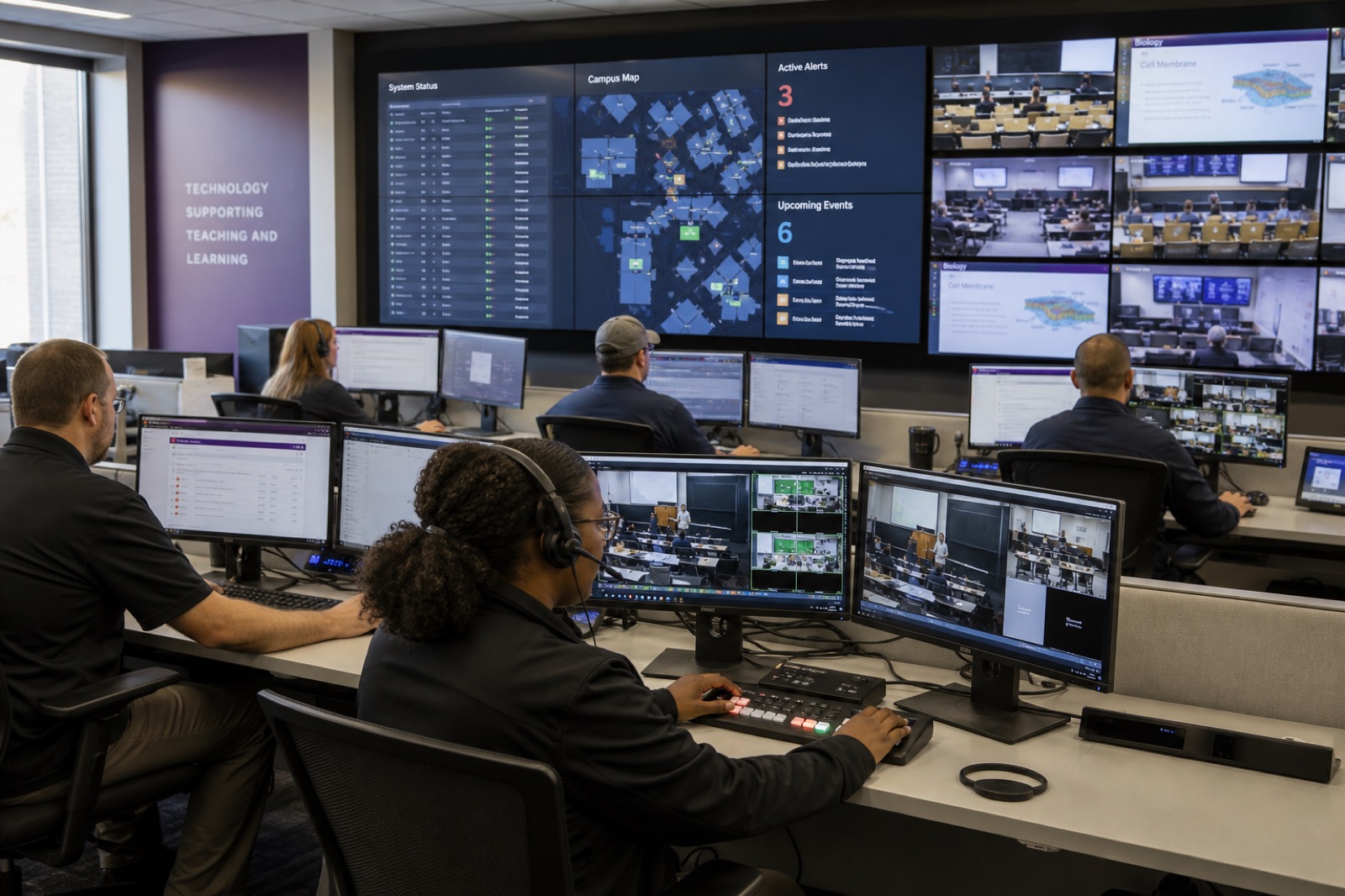
Campus AV has become essential teaching infrastructure. Institutions need standards, remote monitoring, lifecycle planning, documentation, managed services, and clear escalation instead of room-by-room troubleshooting.
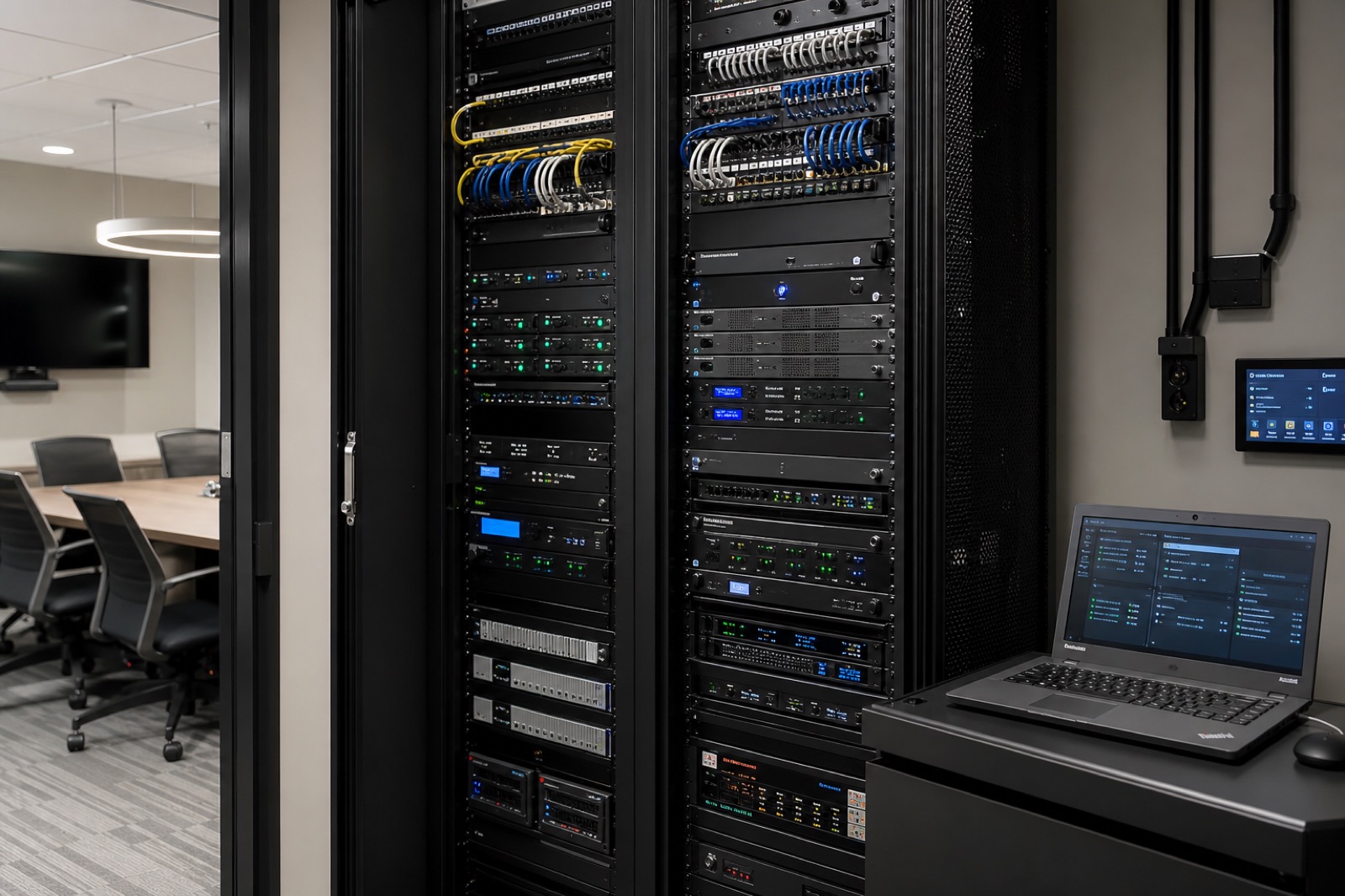
AV over IP is an enterprise network workload. Successful projects depend on early agreement around design, segmentation, security, monitoring, and support ownership, not just encoder and decoder specifications.