
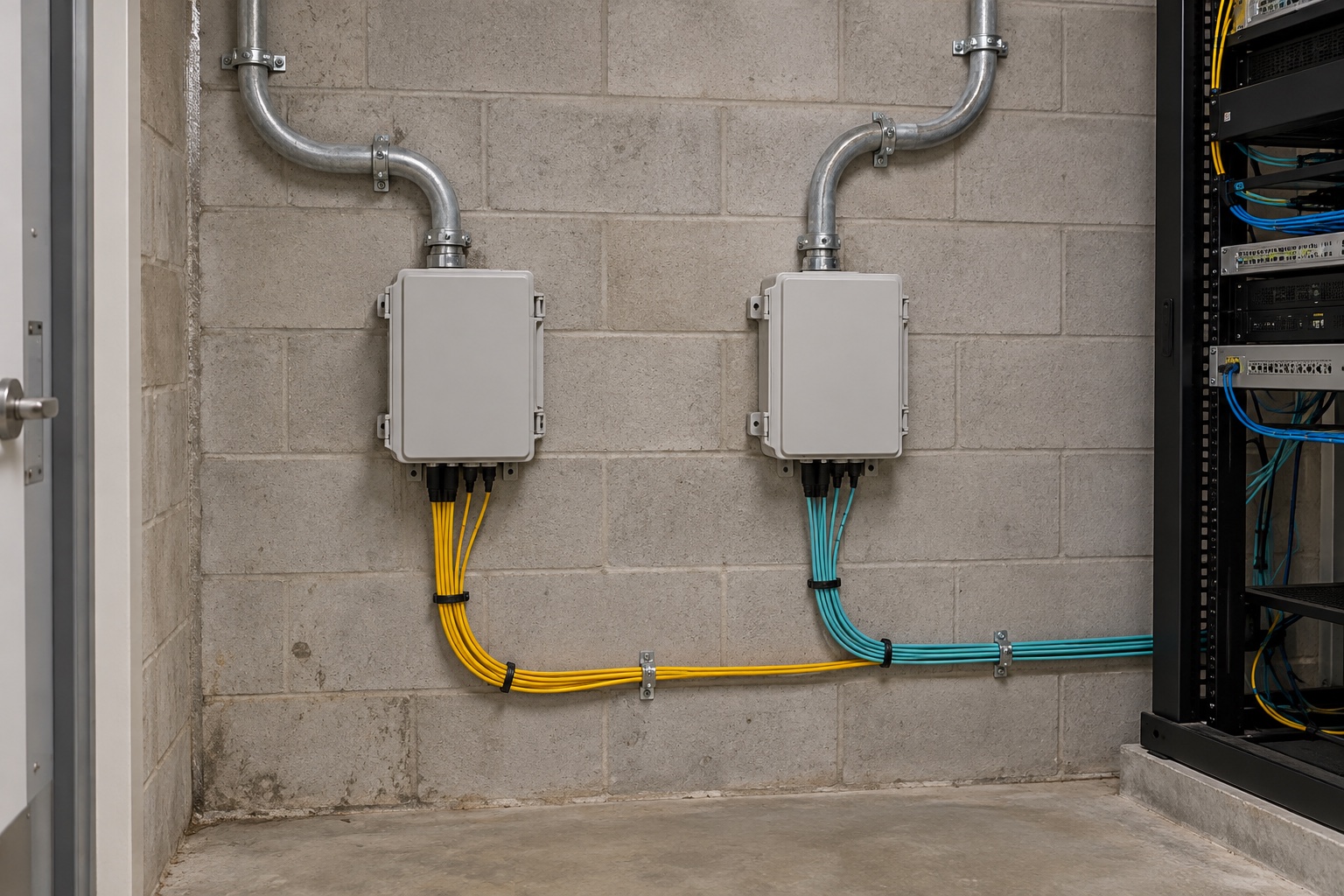
Two internet providers can share the same cable route. Learn what to ask about physical diversity, shared equipment and failover before buying backup service.
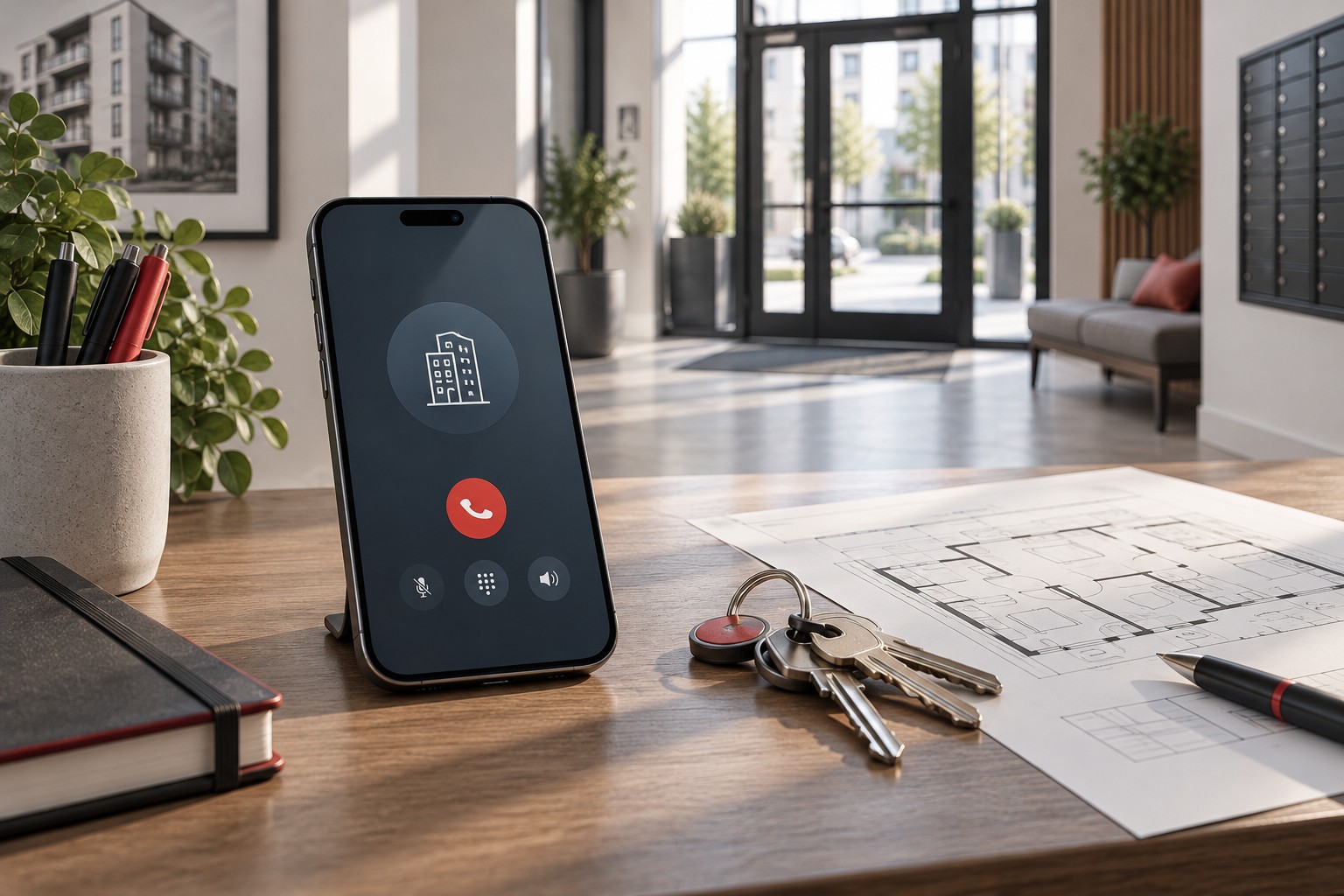
Use personal phones for business calling while keeping company numbers, tenant records and offboarding under control. A practical property management guide.
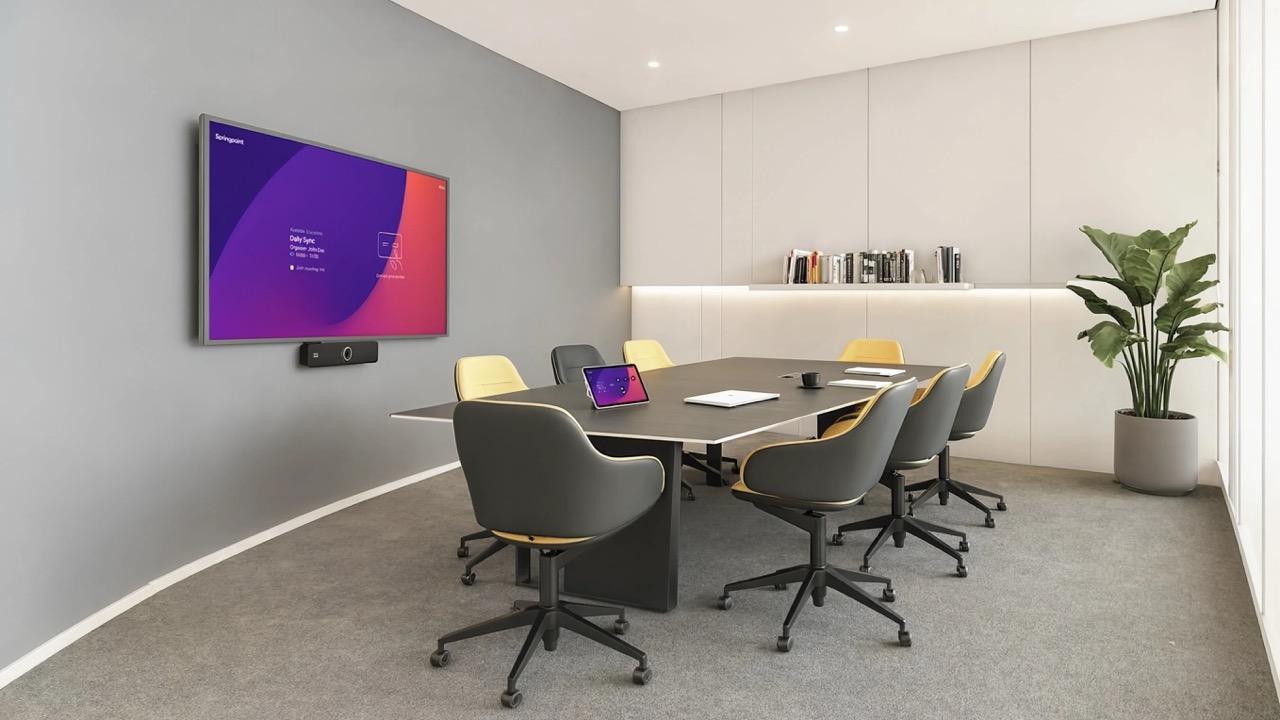
Trace intermittent conference room camera and microphone failures through USB cables, extenders, power and sleep settings before replacing hardware.
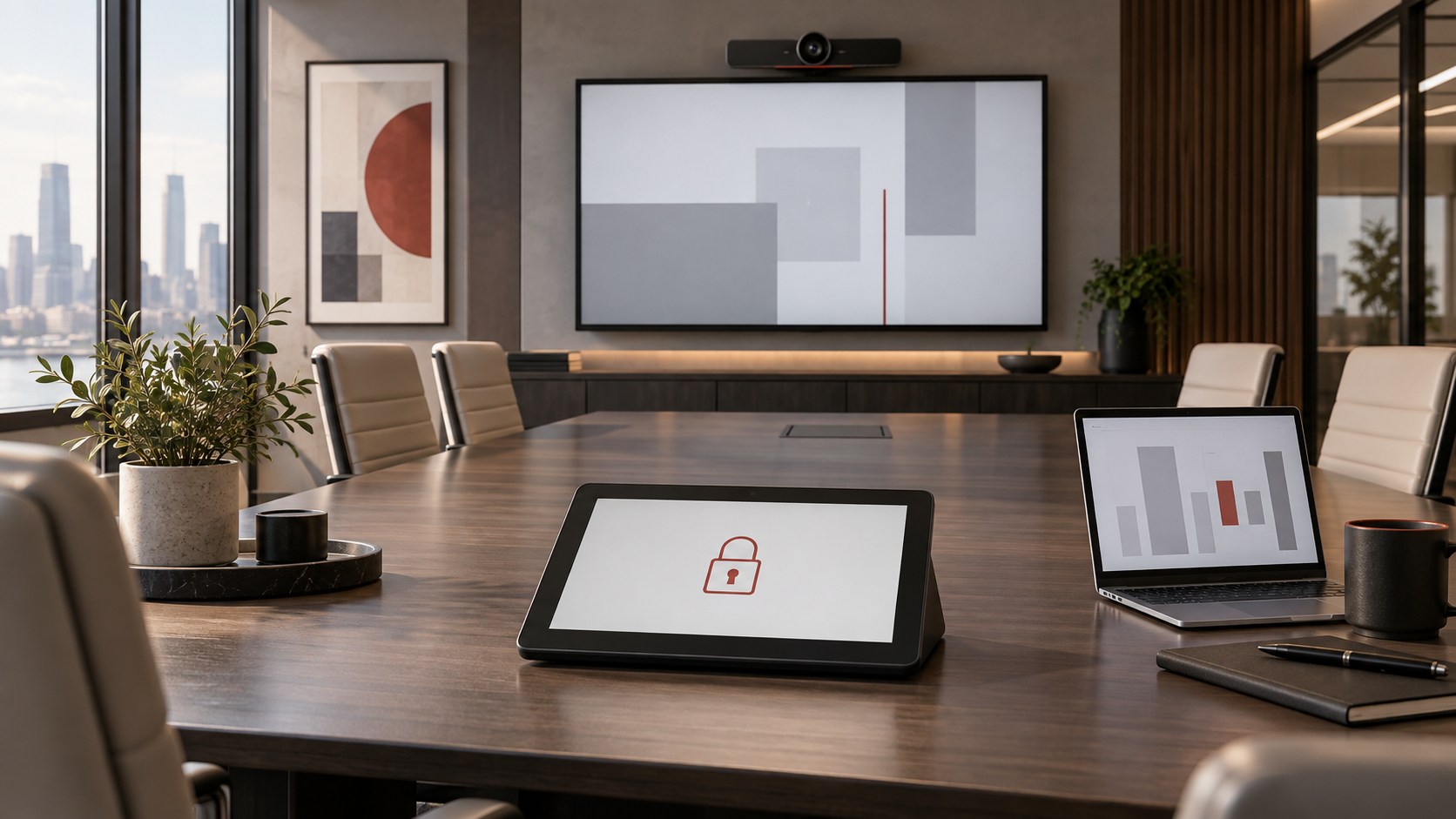
Investigate Teams Rooms sign-in failures across resource accounts, Conditional Access, compliance and network access before replacing room hardware.
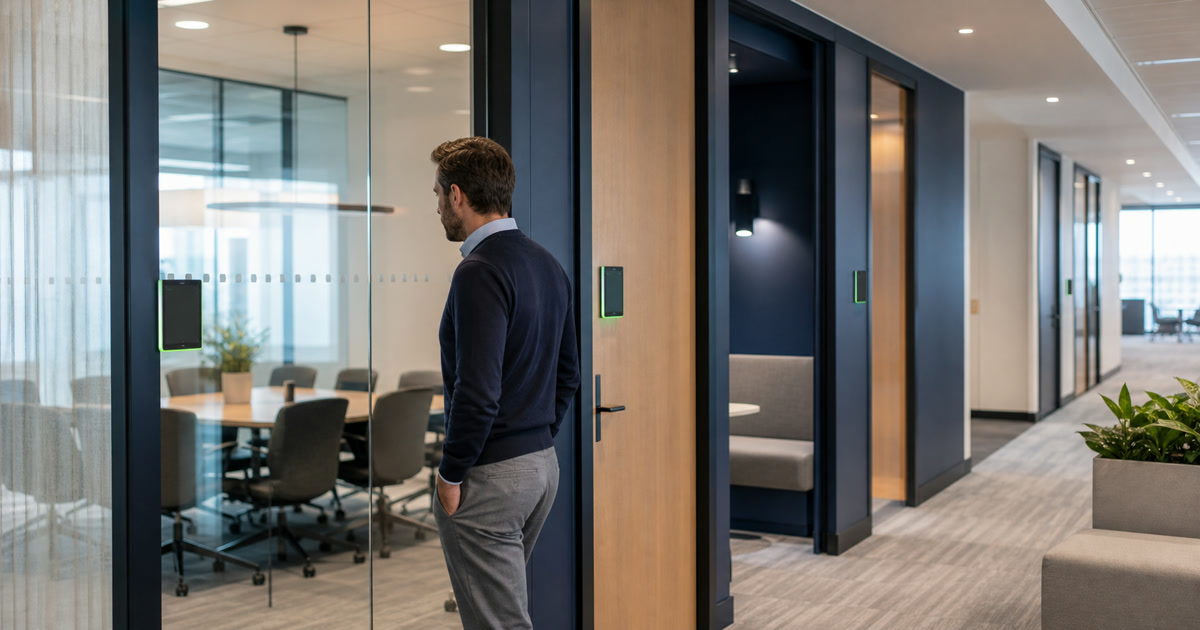
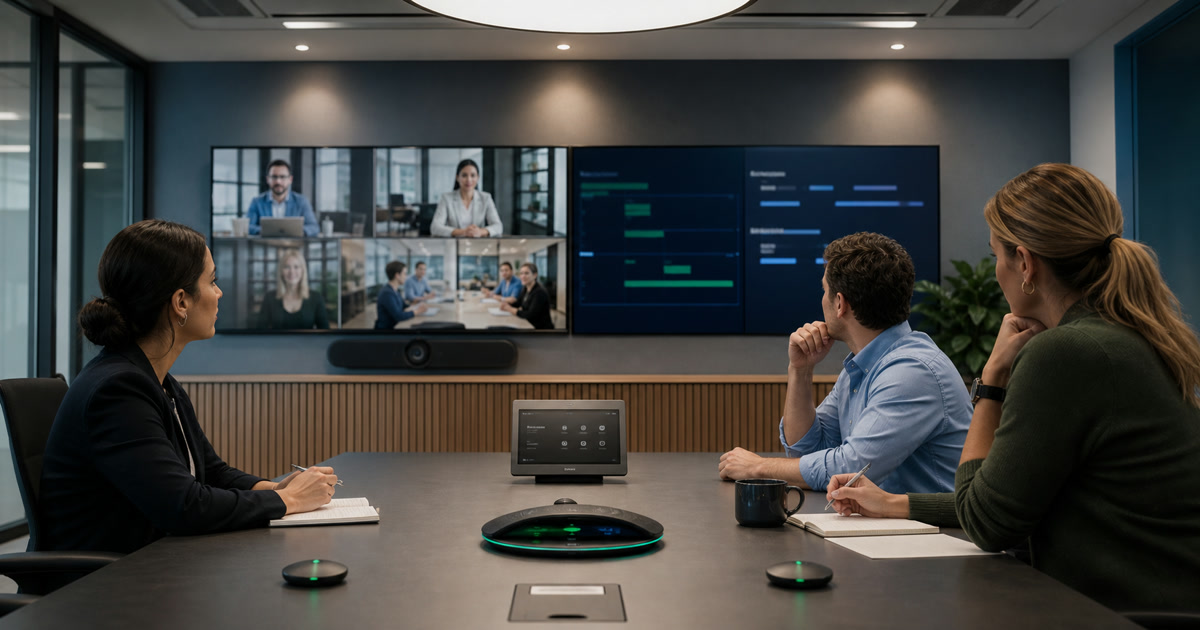
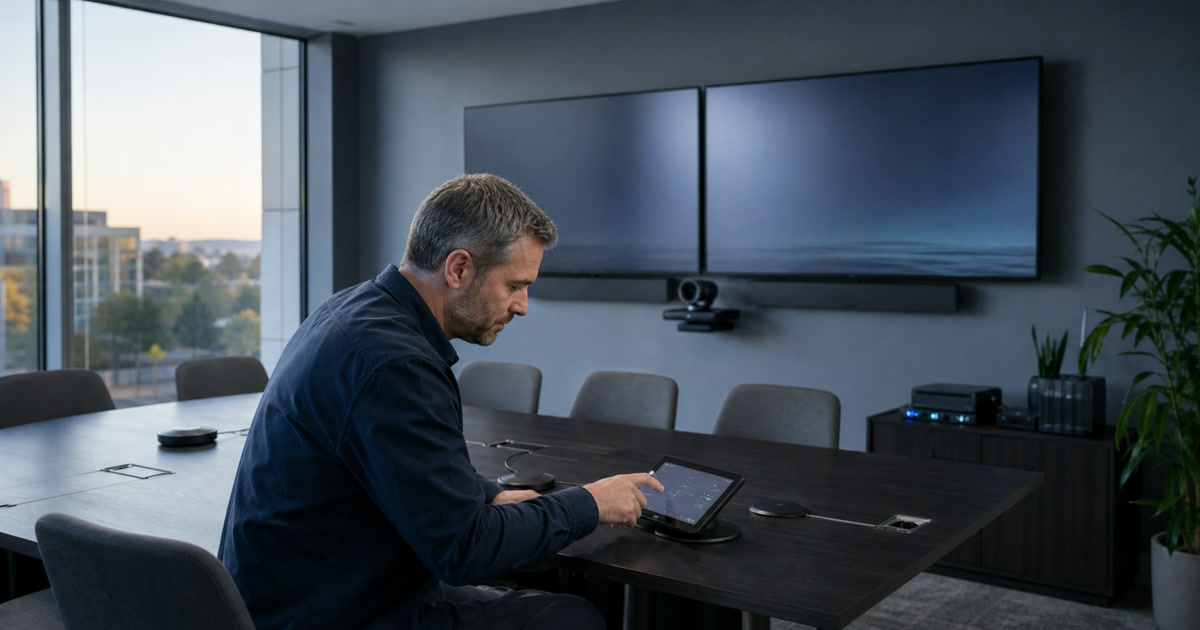
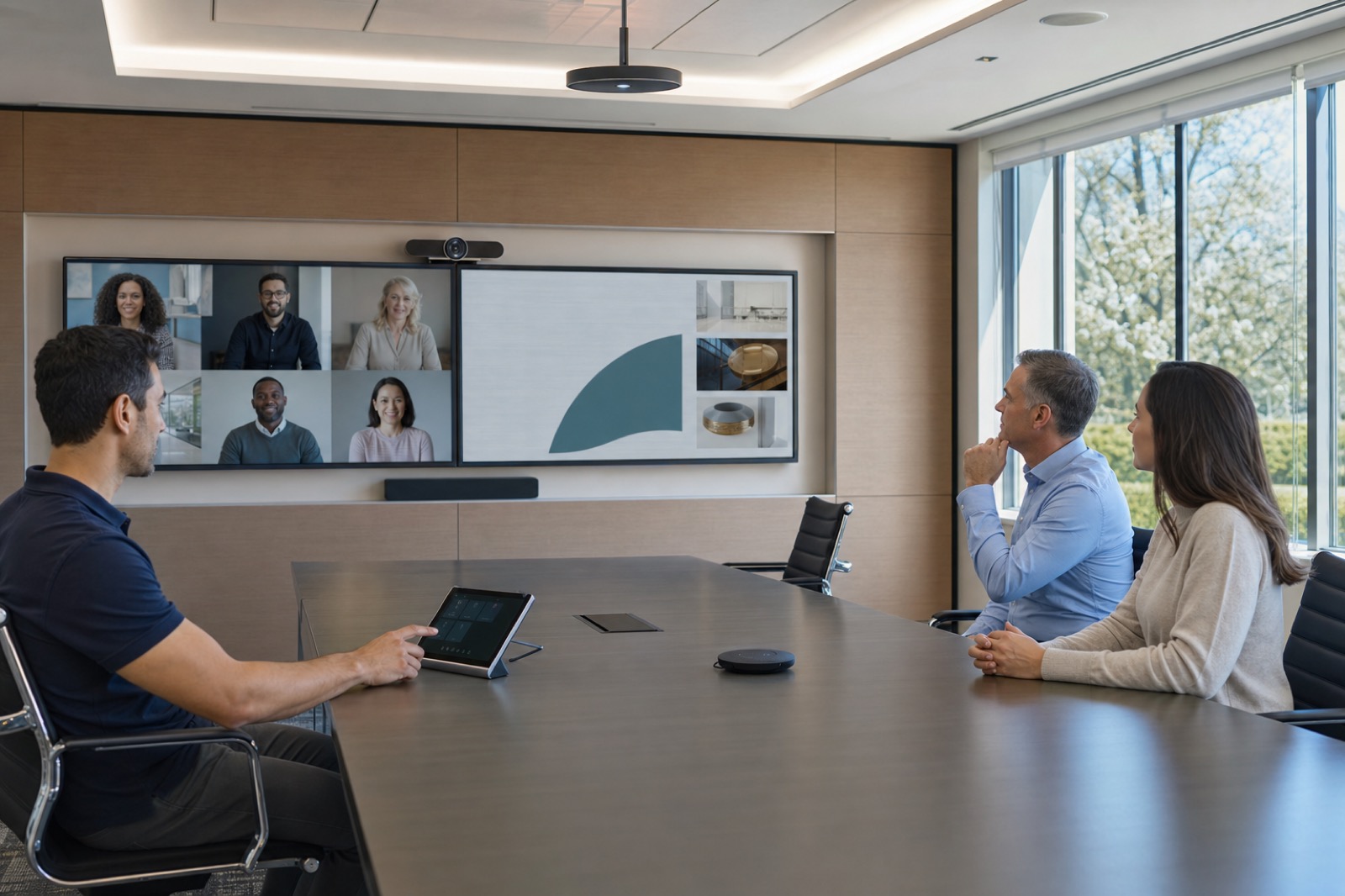
One-Touch Join Is Not an Interoperability Strategy: How to Test Cross-Platform Meeting Rooms in 2026
One-touch join proves that a room can enter a meeting. It does not prove that people can present, collaborate, recover from problems, or get support across platforms. Use this acceptance-test framework before scaling a cross-platform room standard.
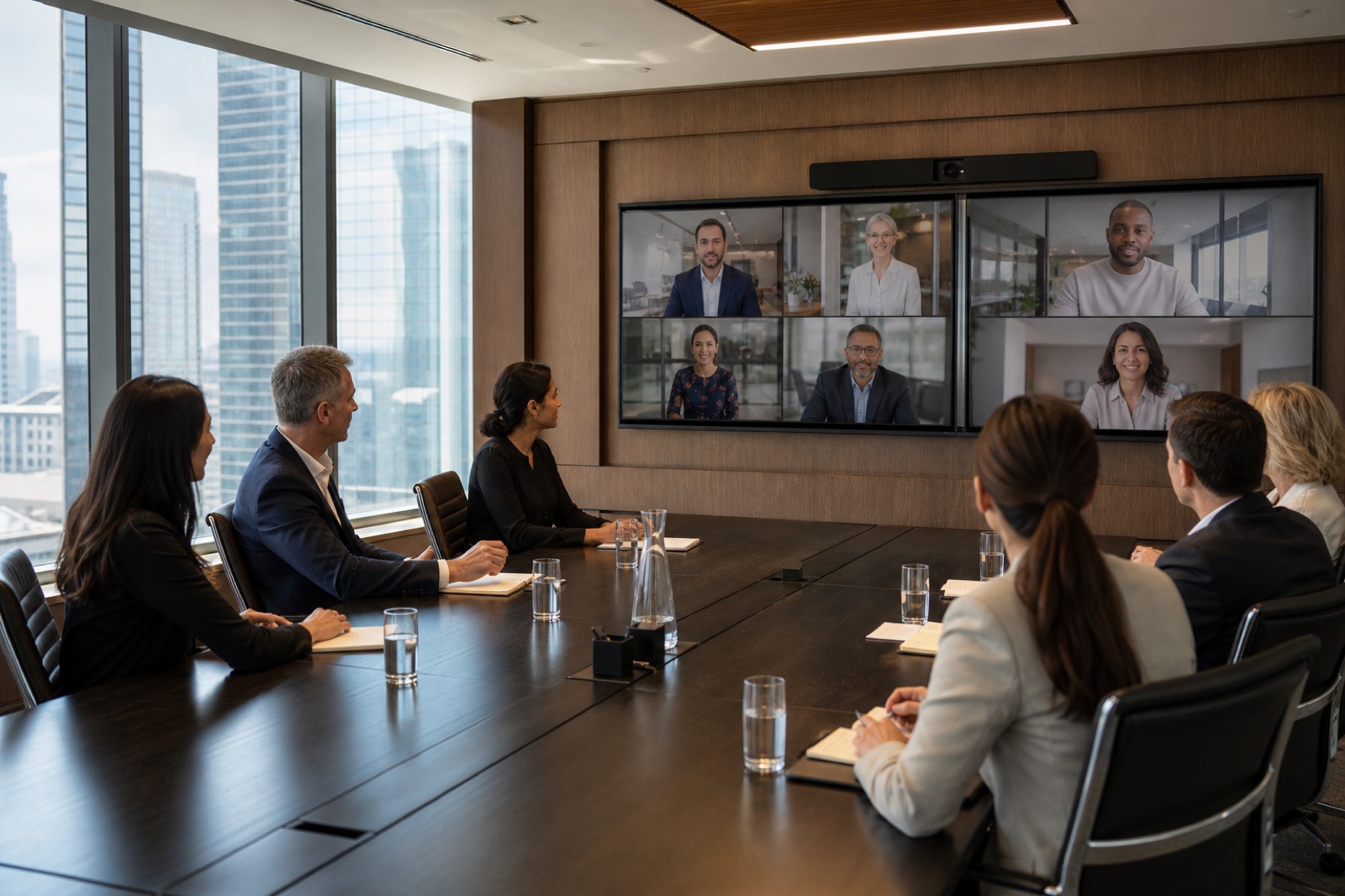
A golden room is a production-representative prototype used to prove a room archetype before a large rollout. Done well, it exposes workflow and support problems while they are still inexpensive to fix.
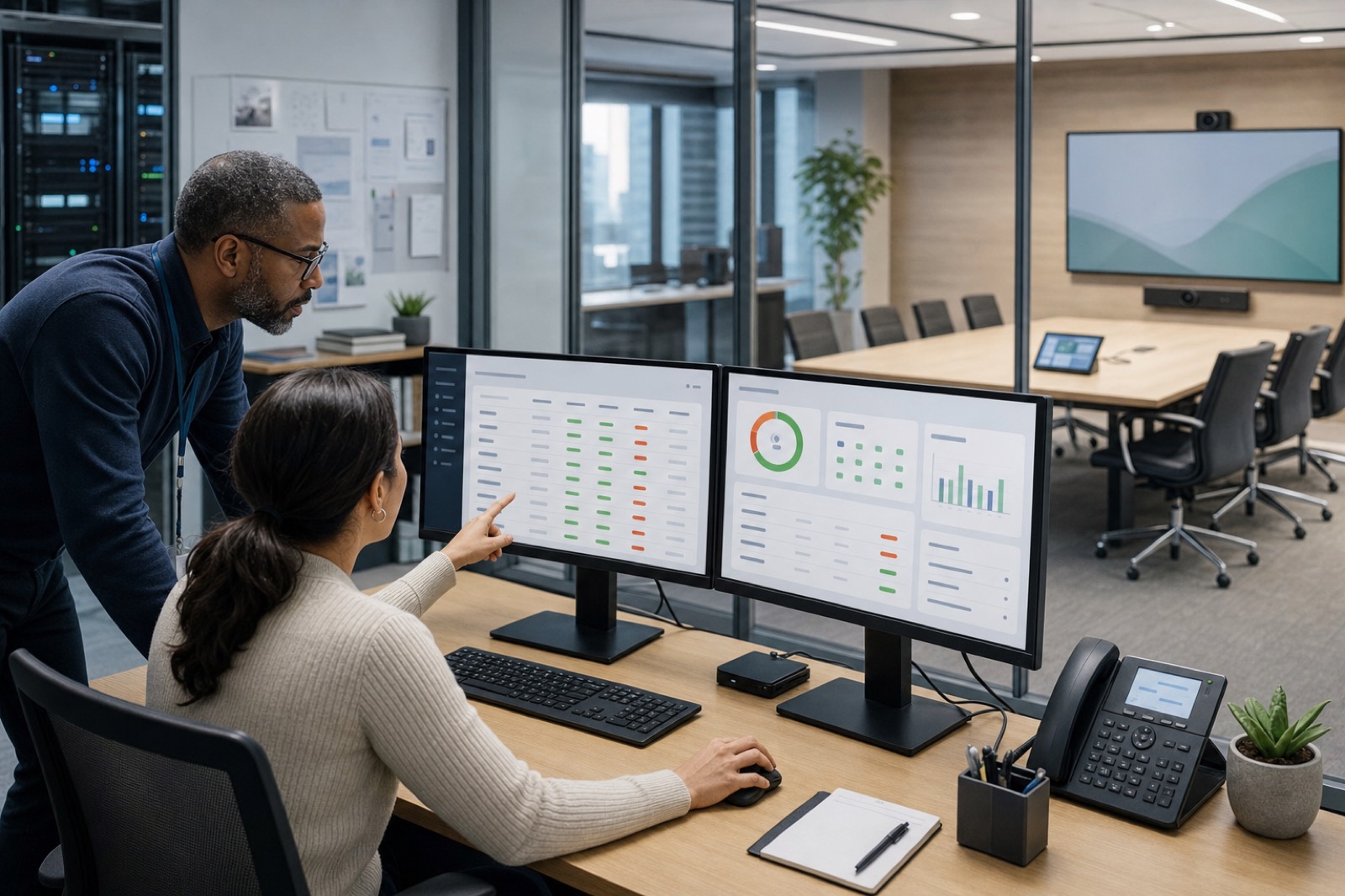
Meeting-room licensing is tied to resource accounts, device types, management capabilities, calling, booking, and security. Audit the deployed estate before renewal—not just the invoice.
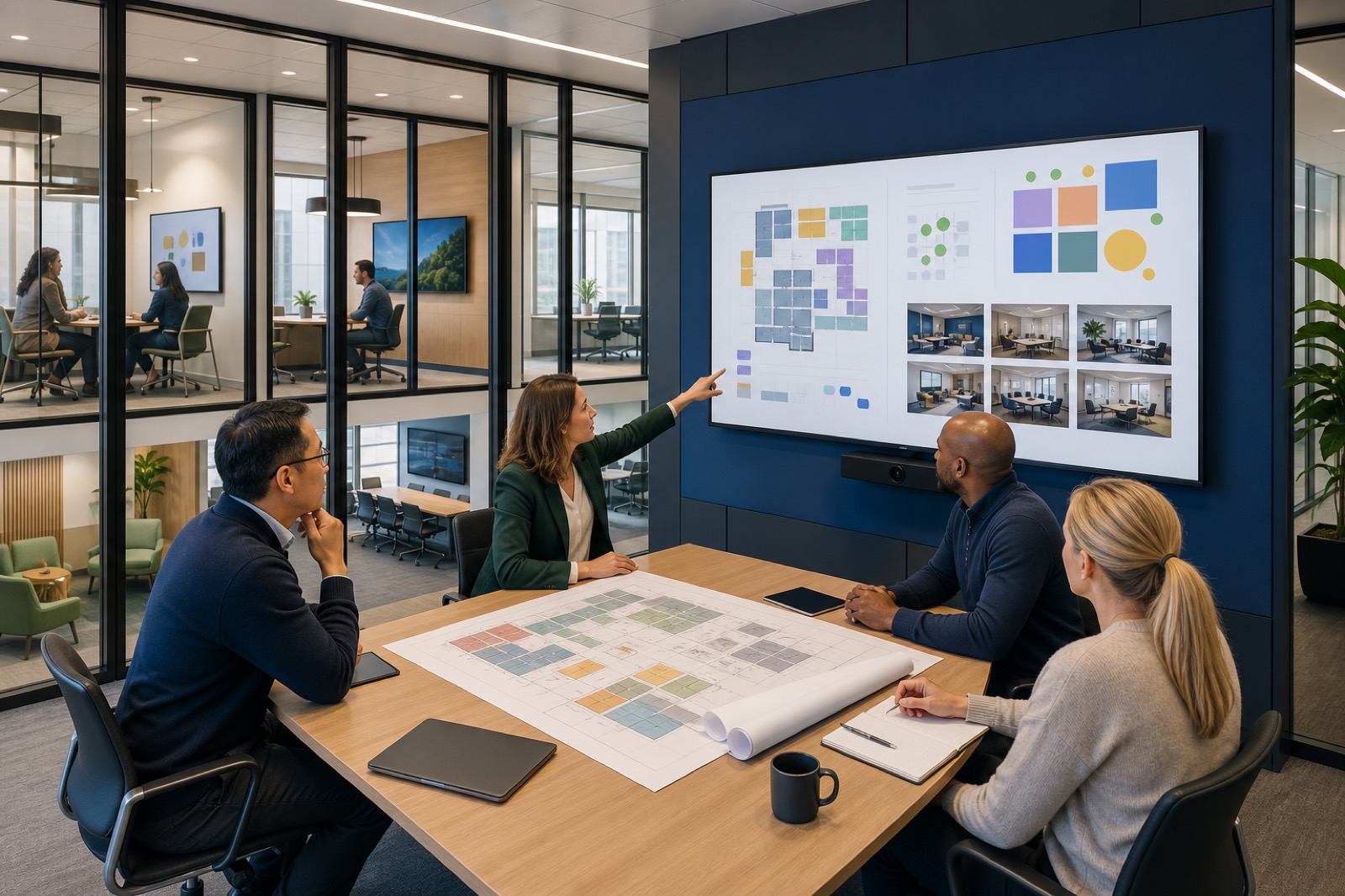
Product wish lists are easy to cut because they do not explain consequences. A room risk register connects AV investments to business impact, failure evidence, lifecycle status, and a credible remediation plan.
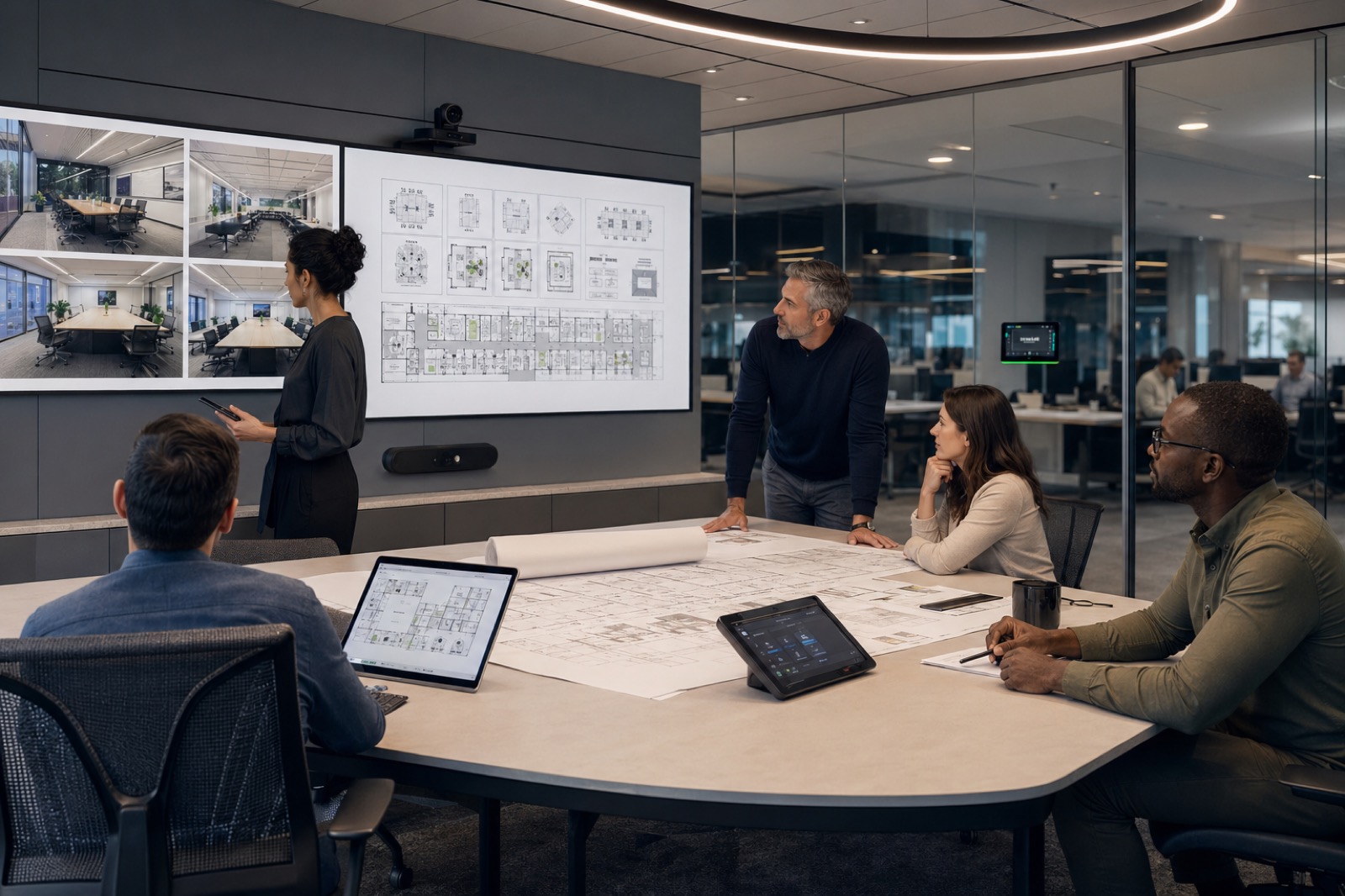
InfoComm 2026 runs June 13-19. Use this buyer debrief plan to turn AI, AV over IP, collaboration, broadcast, and managed operations themes into action after the show.
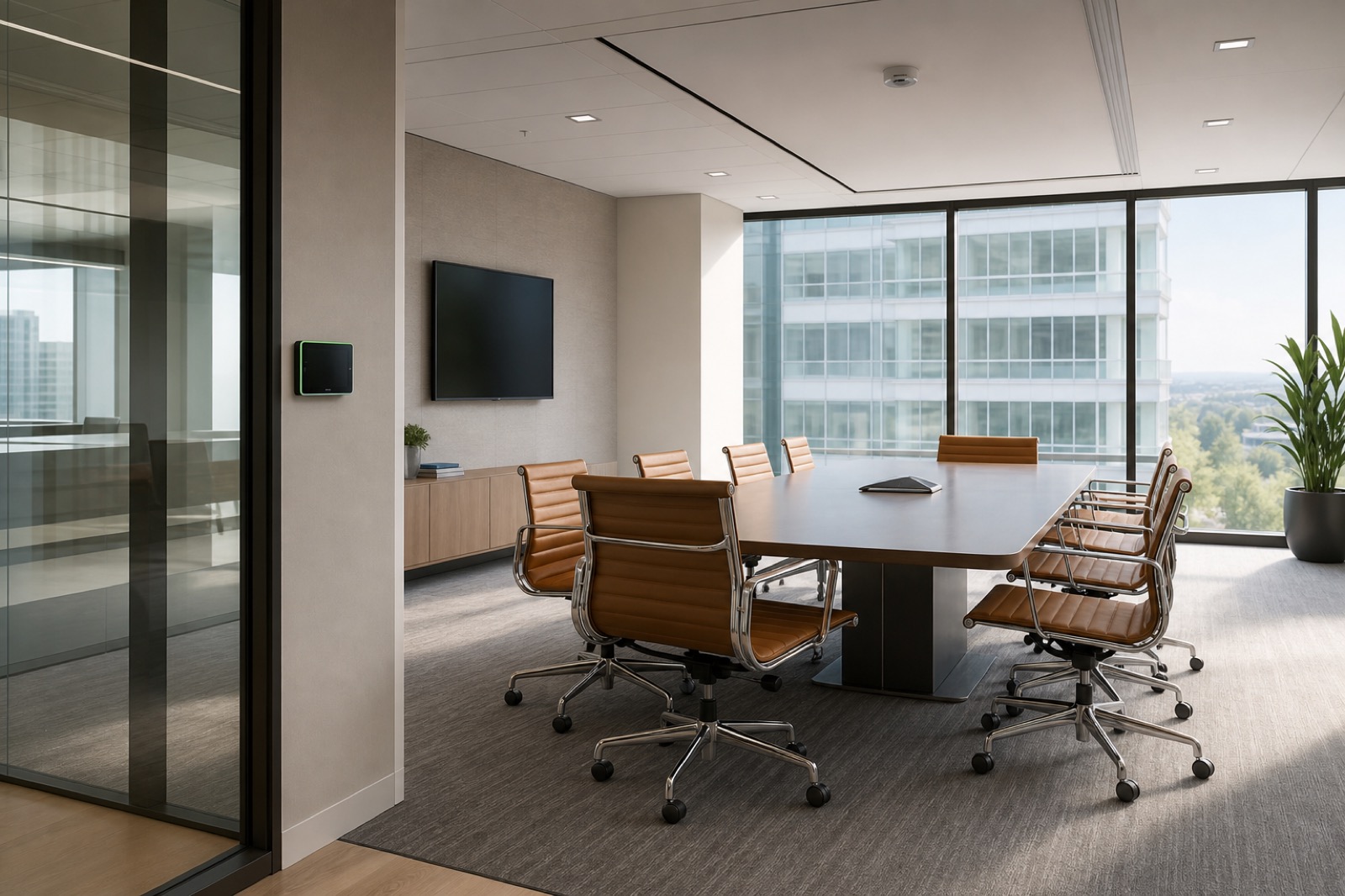
Smart rooms can improve space planning, support, energy use, and user experience. They also require transparent governance for data collection, access, retention, AI features, and employee trust.
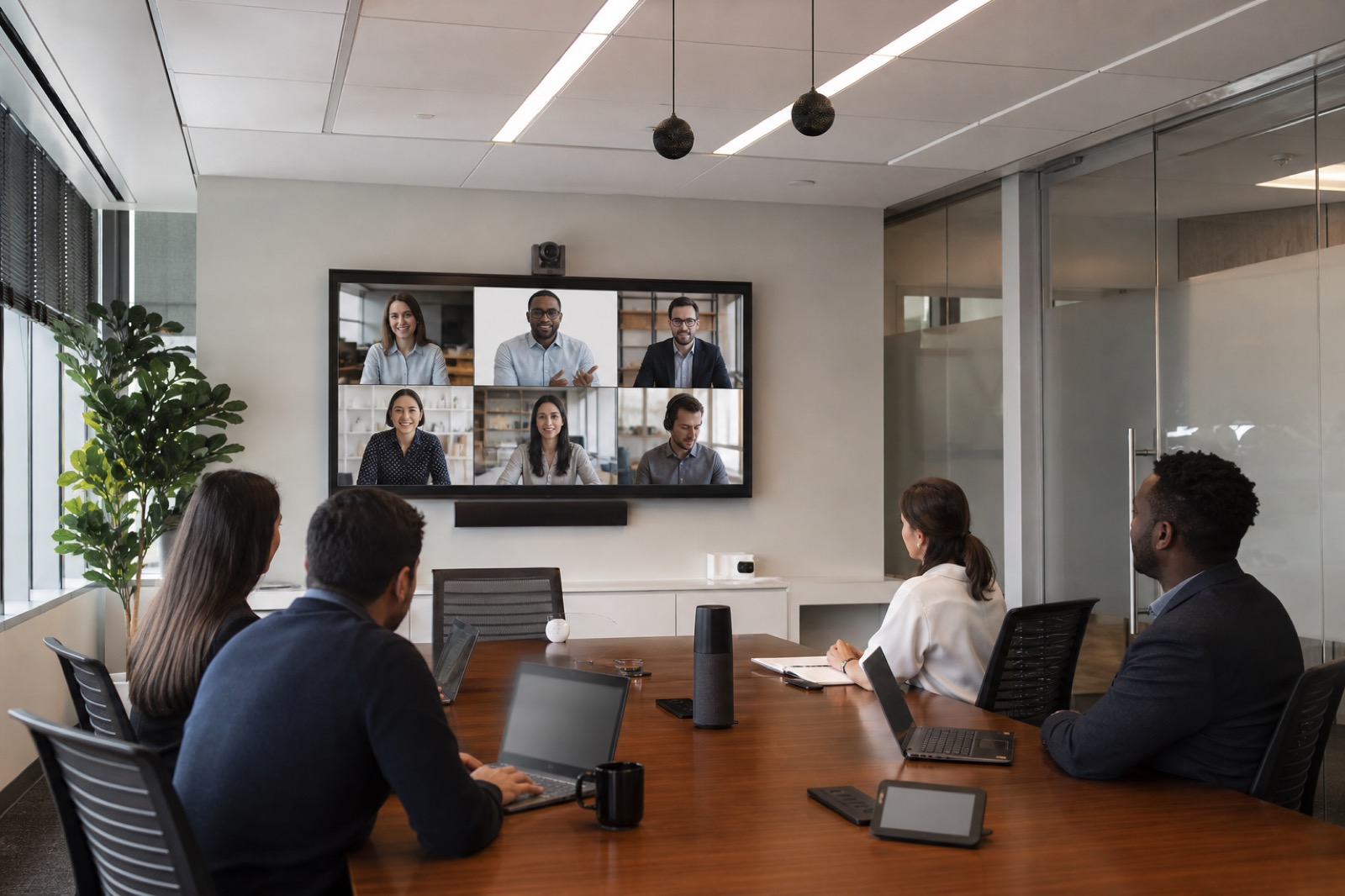
AI meeting assistants are only as useful as the rooms feeding them. Enterprises should audit audio, video, controls, governance, and support before rollout.

AV over IP can scale enterprise spaces, but only when AV and network teams answer the hard design and support questions before procurement.
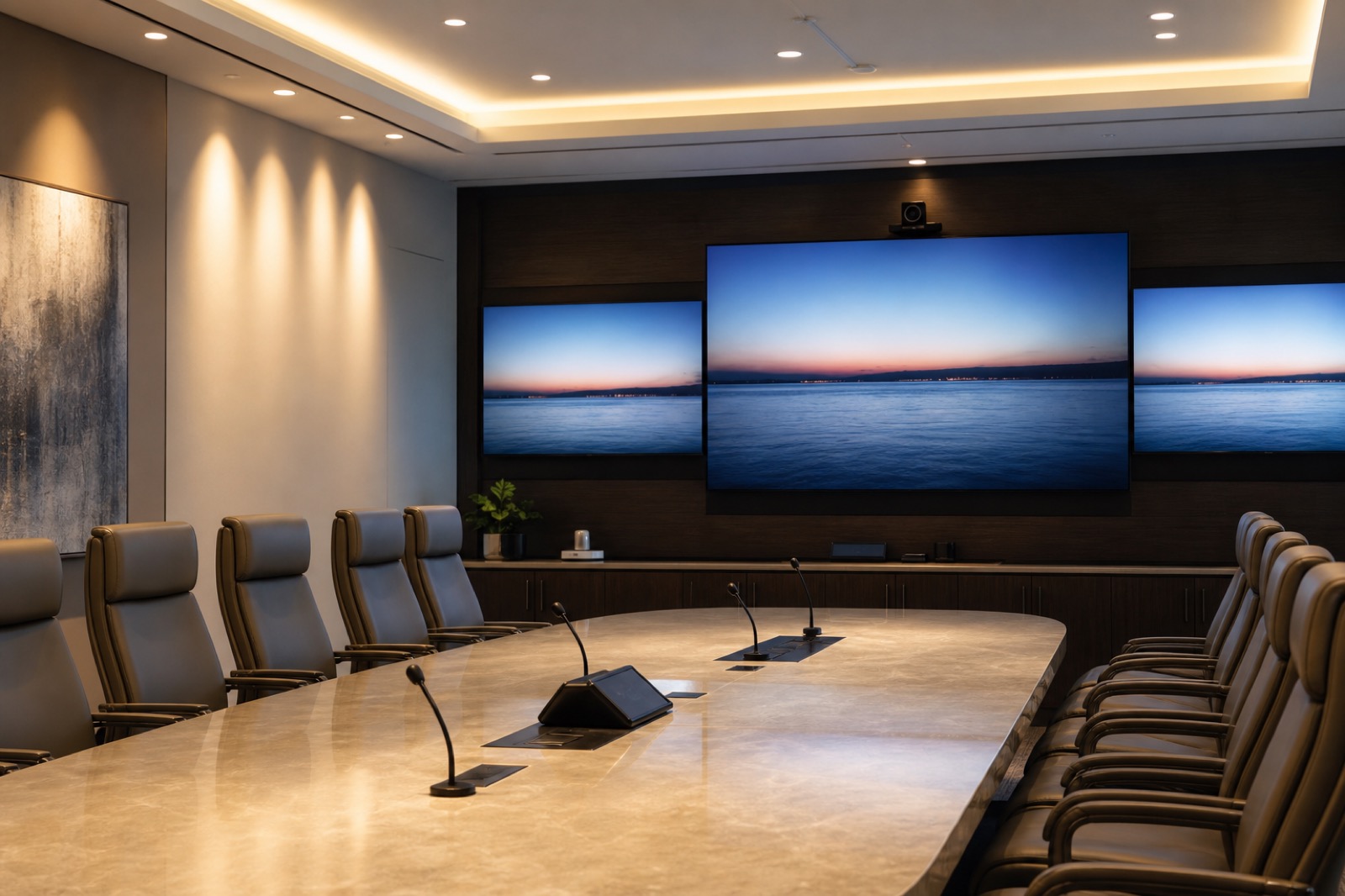
Enterprise town halls now carry executive trust. The AV environment needs production discipline, clear workflows, and support before the live moment.
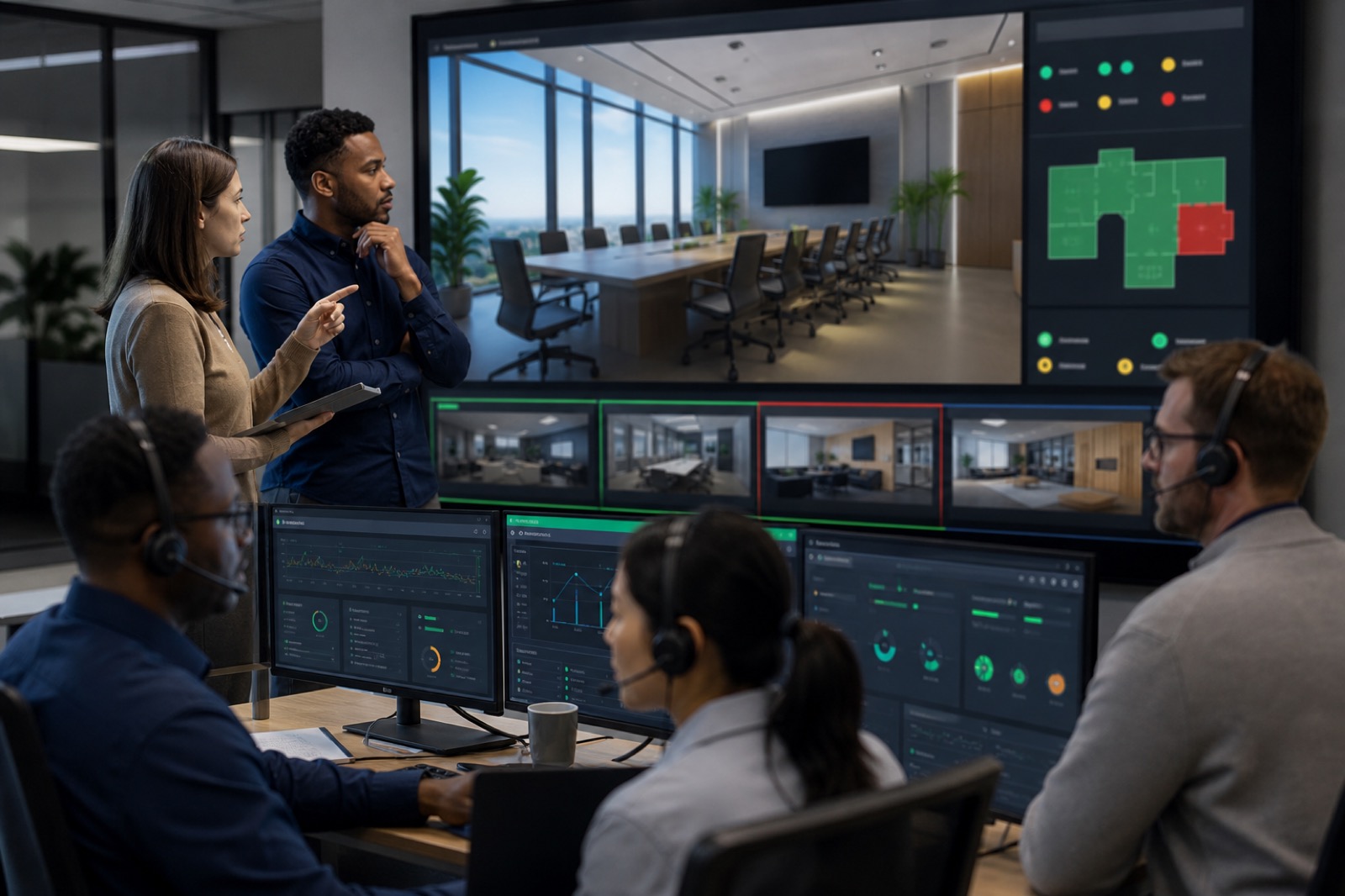
Room monitoring is only useful when someone owns the response. Managed AV operations connect analytics to fewer failures and better standards.
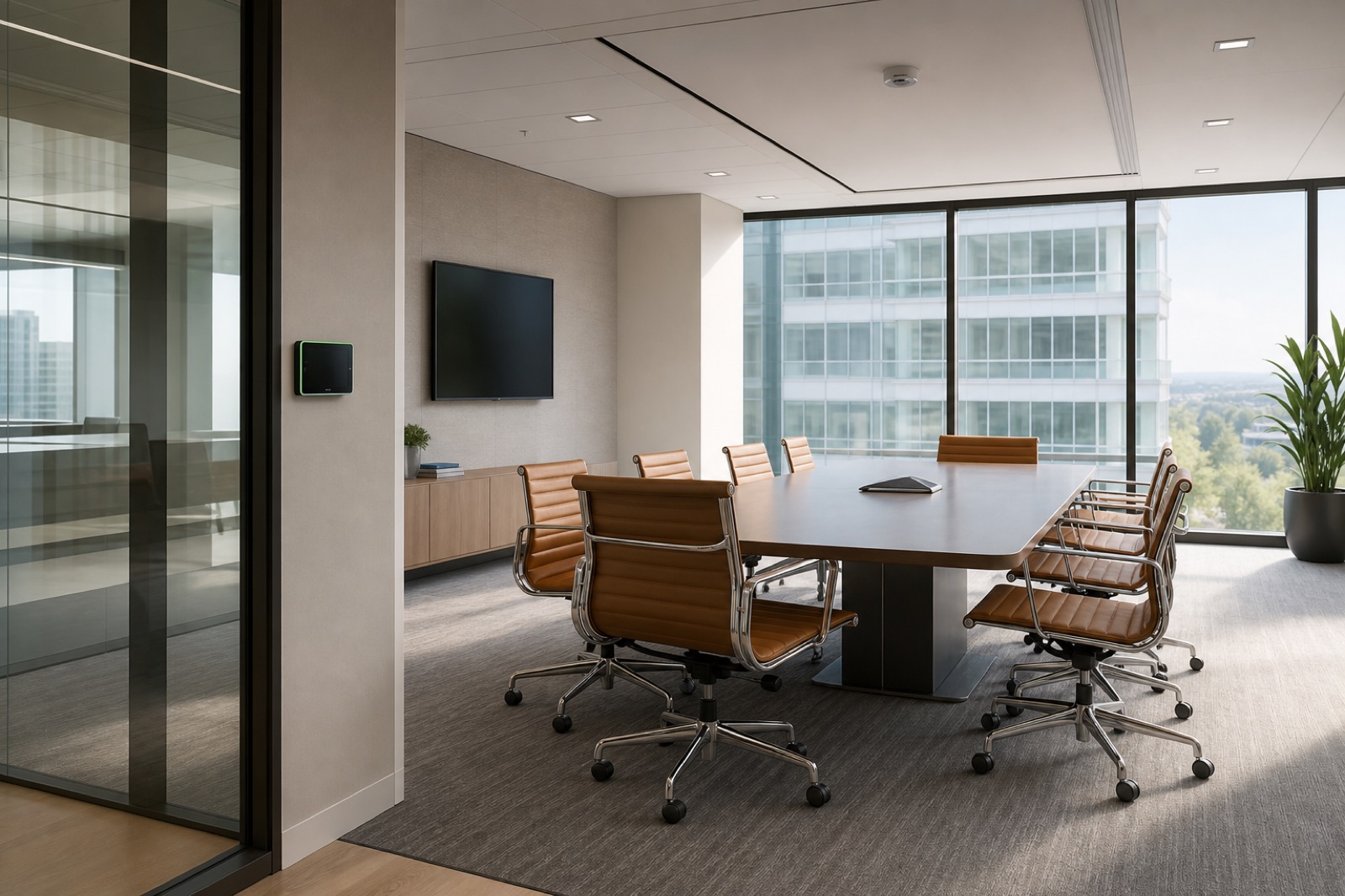
Connected rooms are part of the enterprise technology estate. Secure-by-design AV treats devices, networks, vendors, and lifecycle support as security decisions.