
…
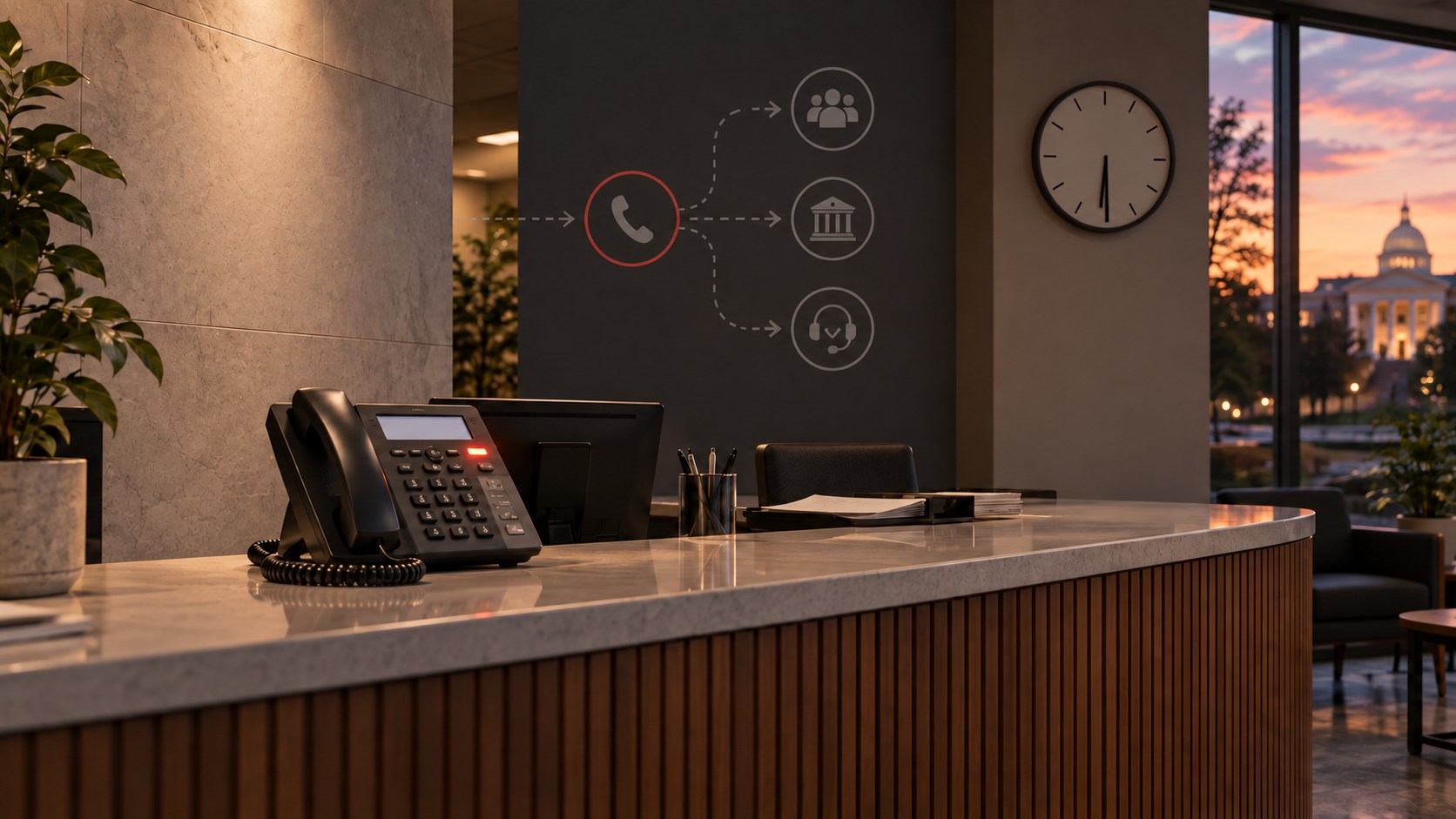
Test public service phone lines after hours, during closures and across holiday schedules. Build a clear call-routing log with owners and follow-up.
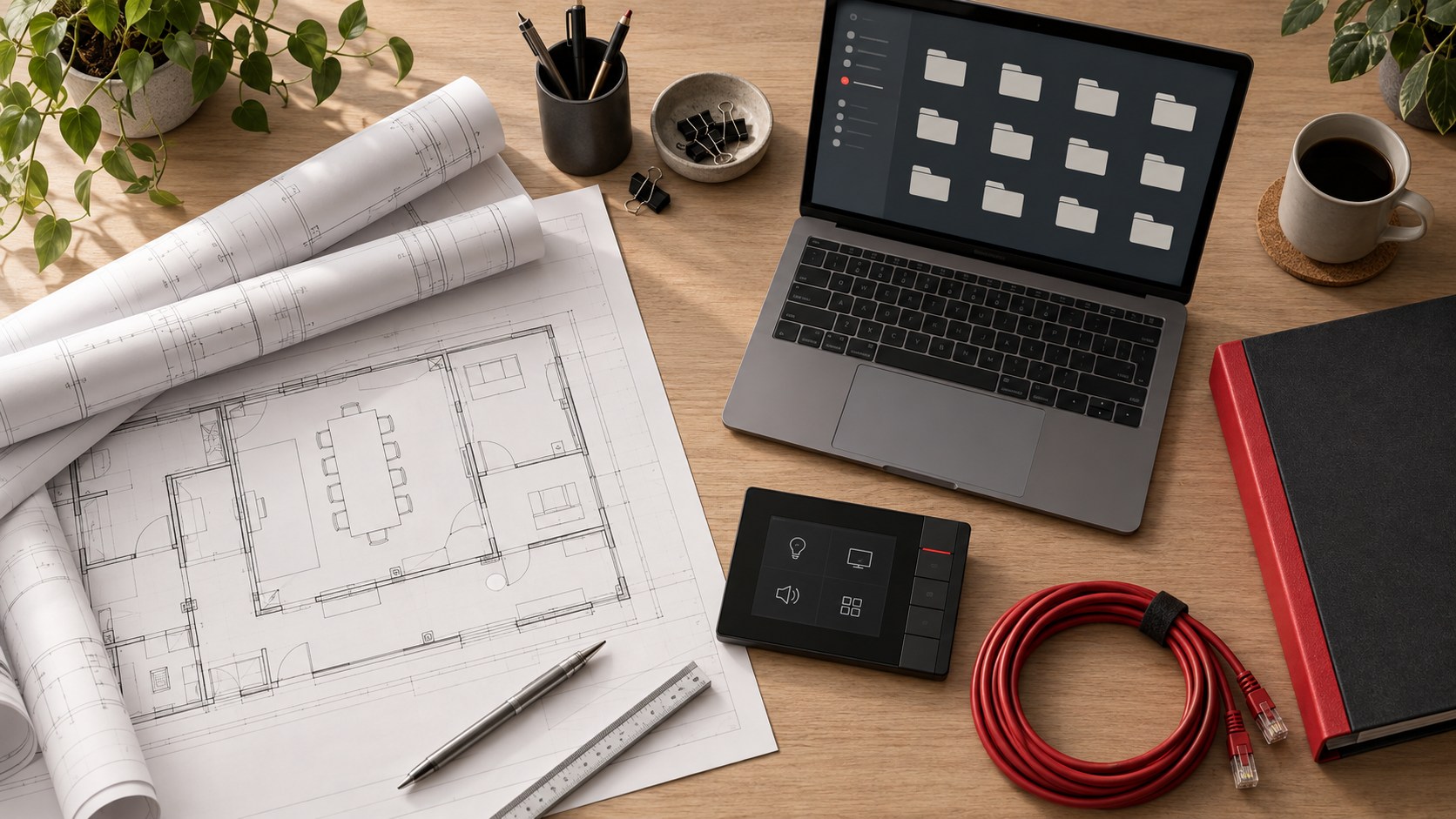
Specify AV drawings, configuration files, account control, software rights and training before procurement so your team can support the finished system.
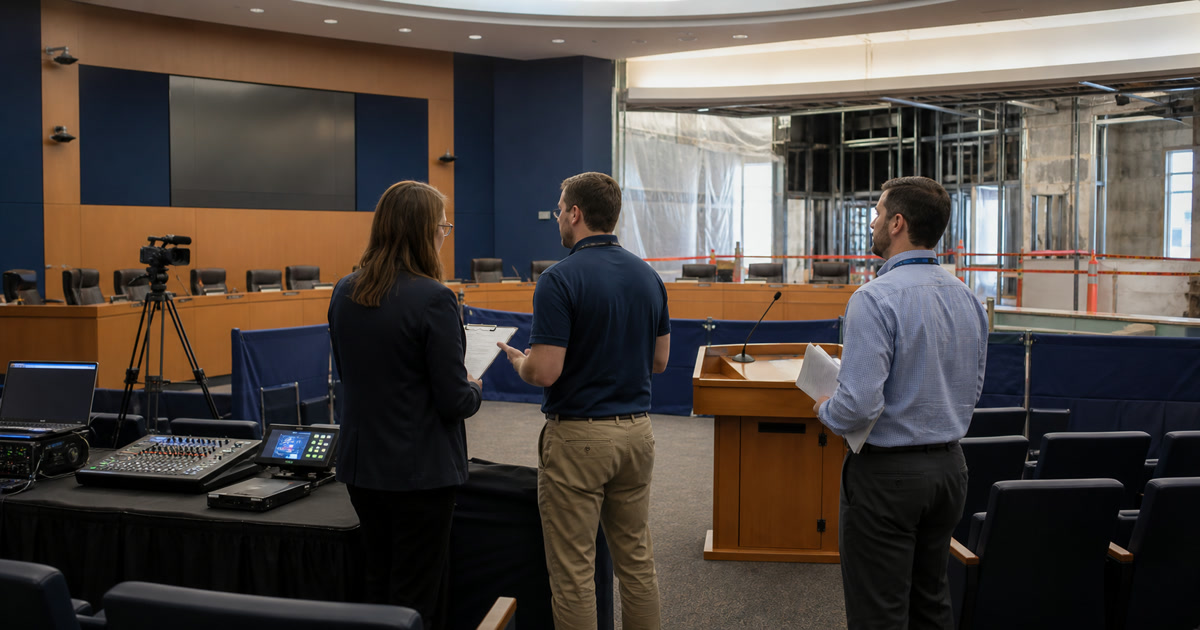
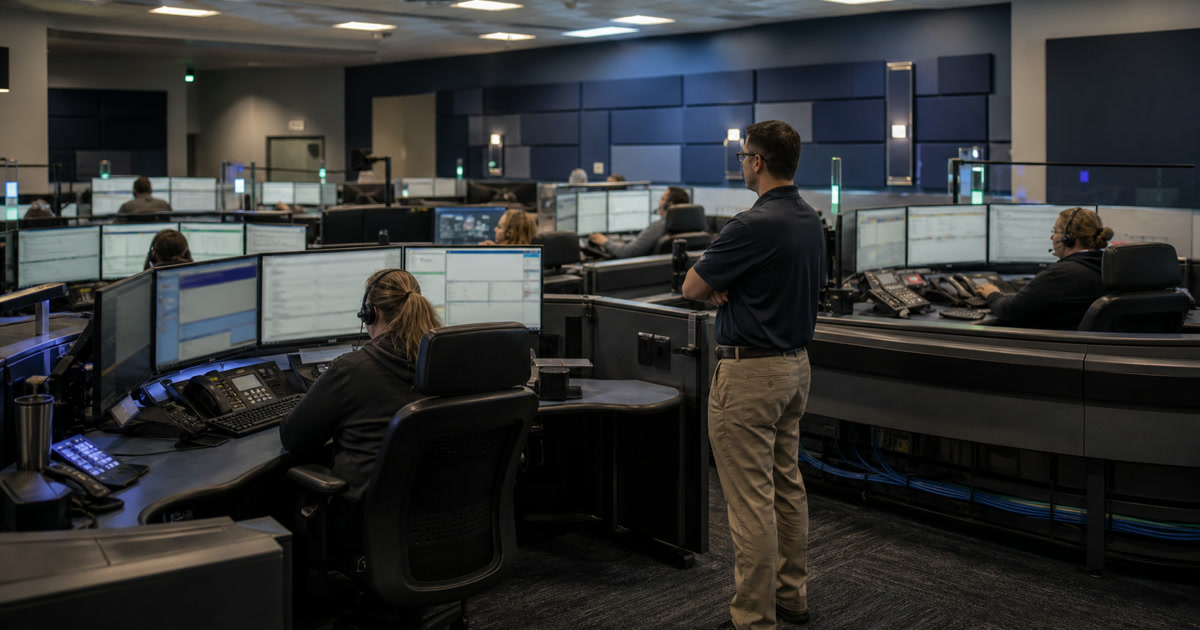
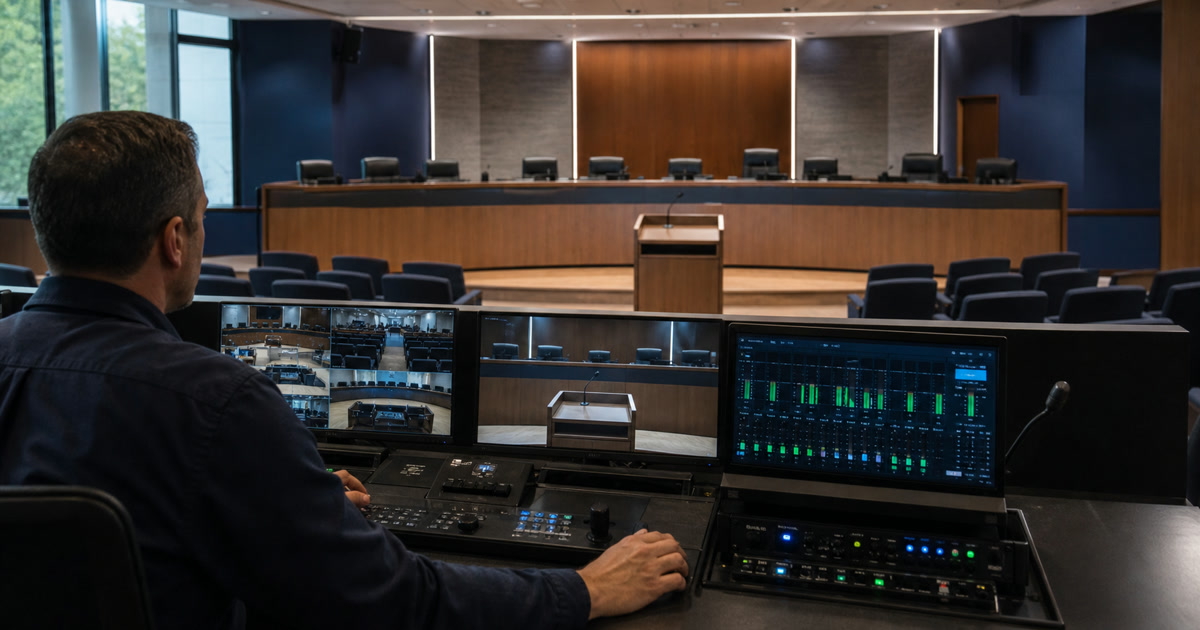

Virginia’s 2026–2028 biennium and FY2027 are underway. Agencies and localities can use the first 90 days to convert aging-room concerns into prioritized, procurement-ready AV projects.
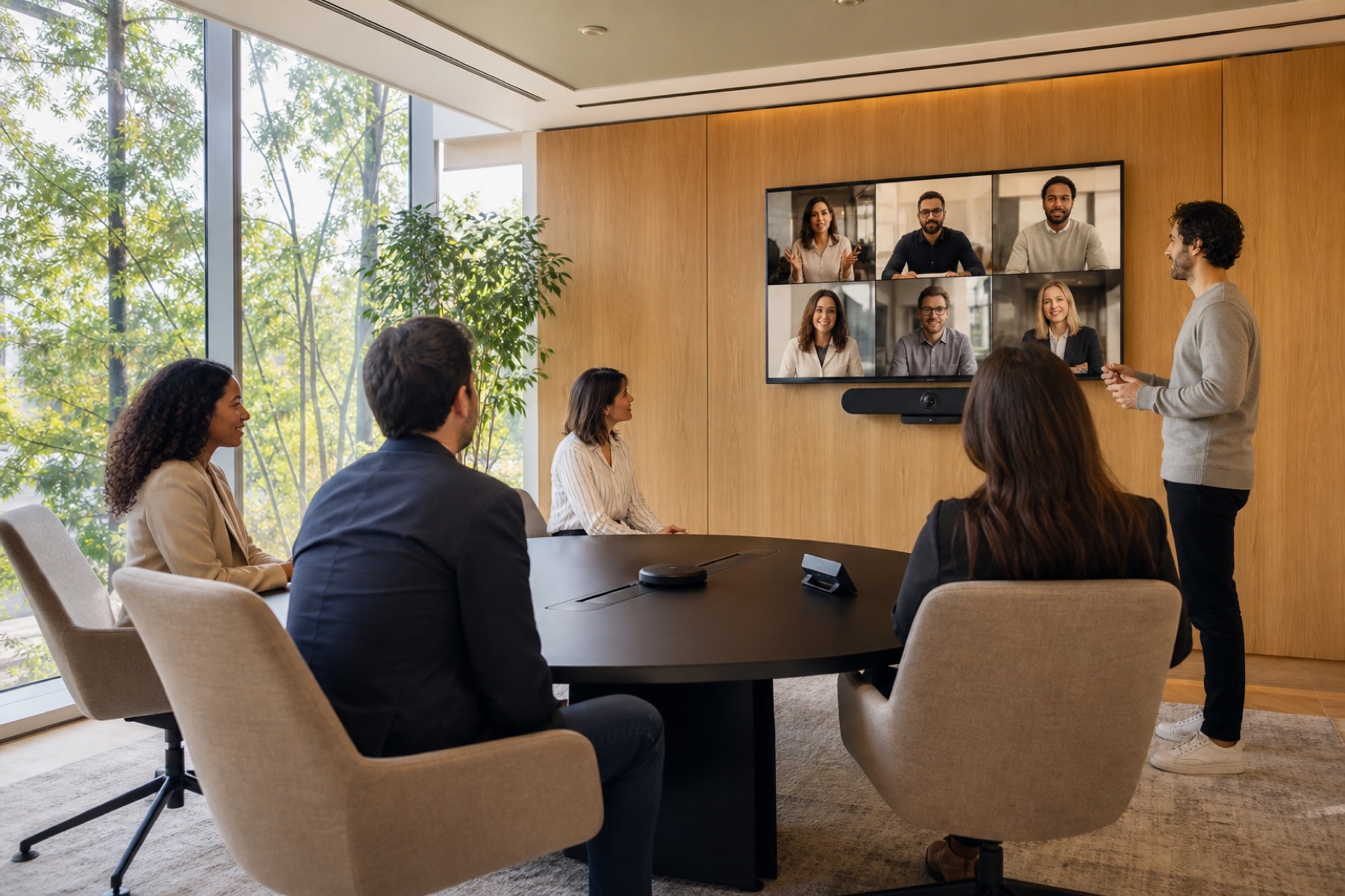
The DOJ extended Title II web and mobile accessibility compliance dates by one year. Public entities should use the extension to connect accessible web content with captions, intelligible audio, assistive listening, participation, and archived media.
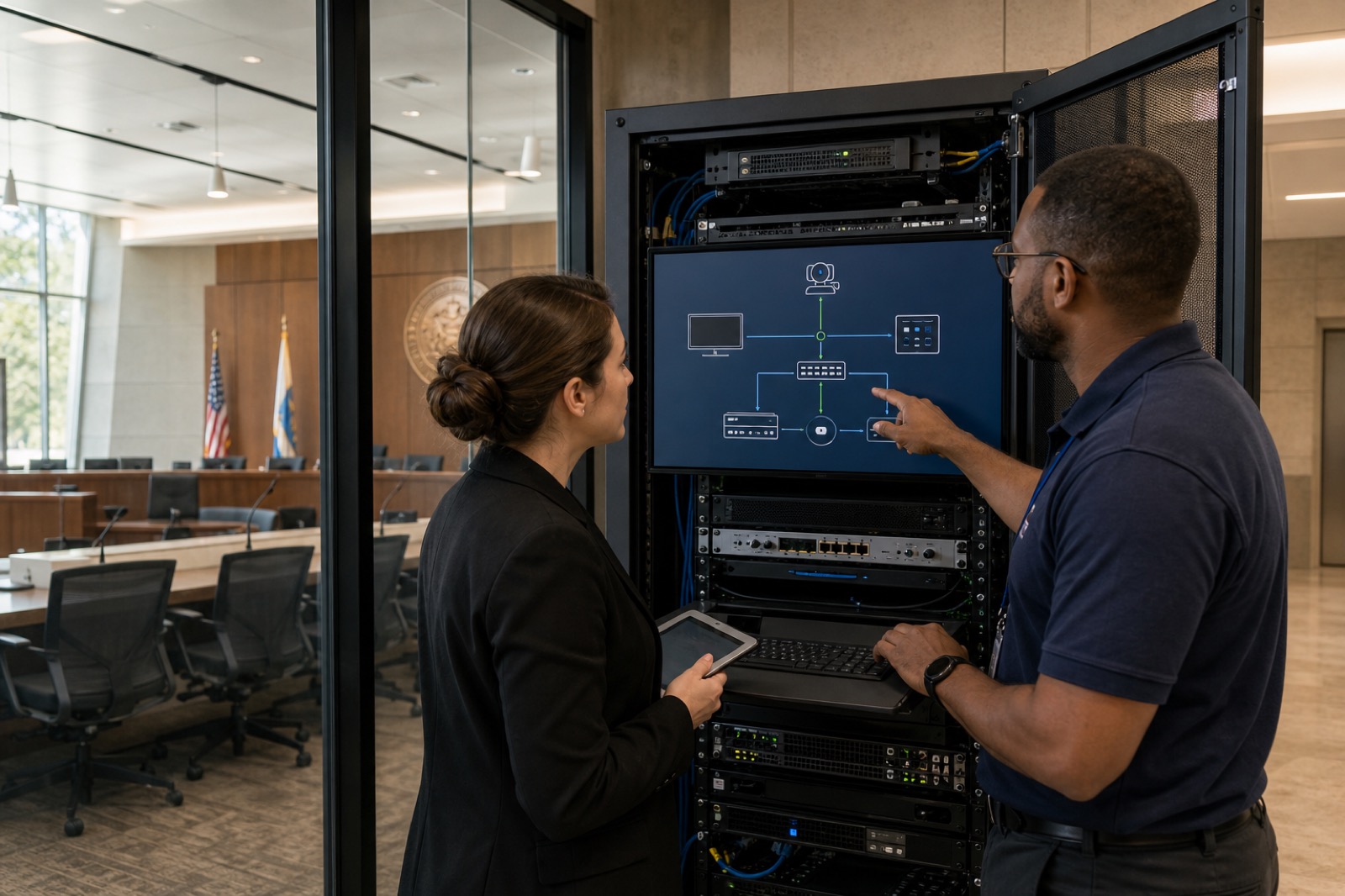
Networked cameras, displays, codecs, controllers, DSPs, encoders, and schedulers need the same lifecycle discipline as other connected technology. Ownership is the control that keeps every other control from becoming optional.
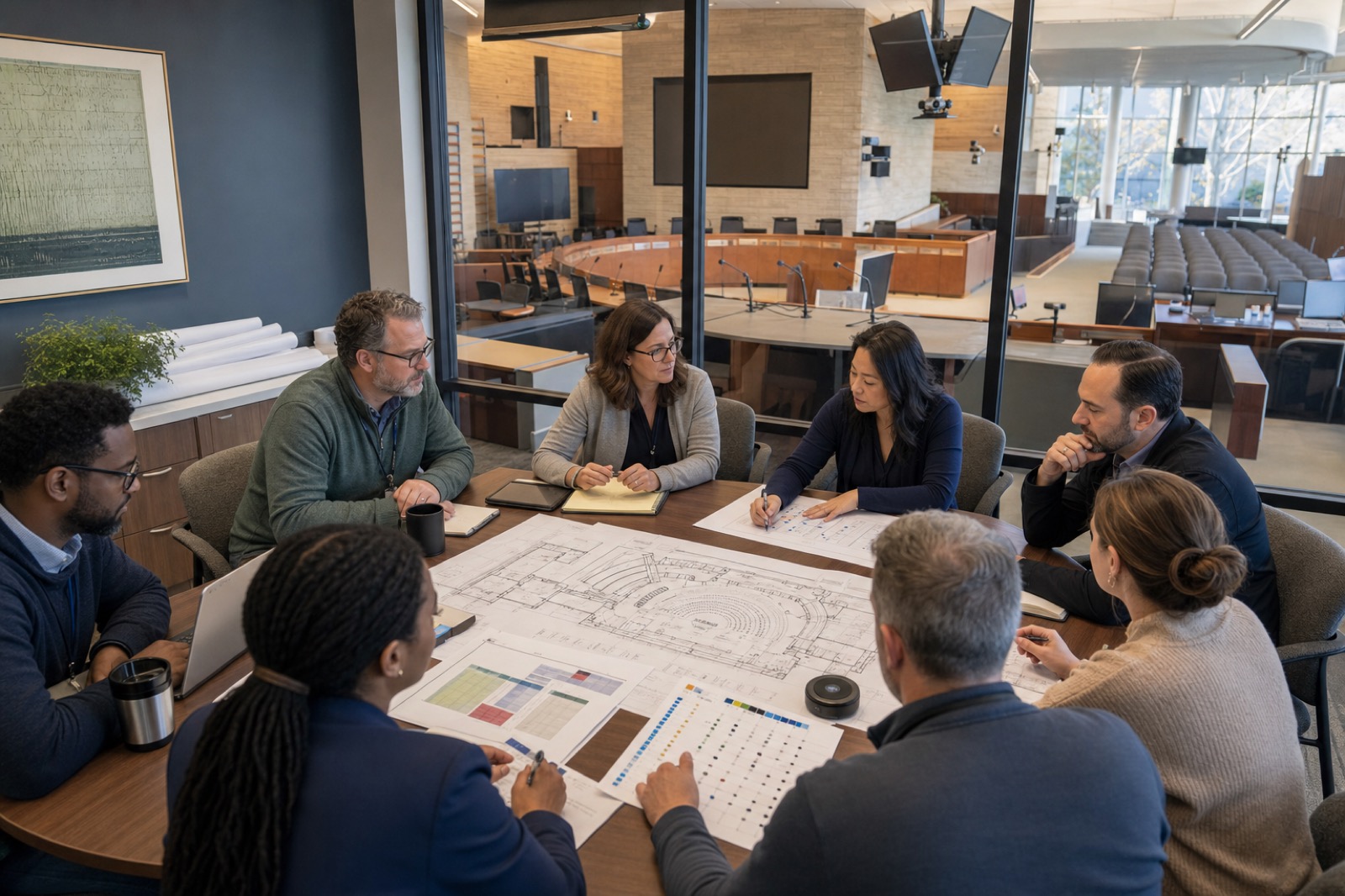
Public-sector AV projects often stall because critical decisions about network, construction, records, accessibility, security, procurement, and operations surface after the design is treated as finished. Use a cross-functional governance model instead.
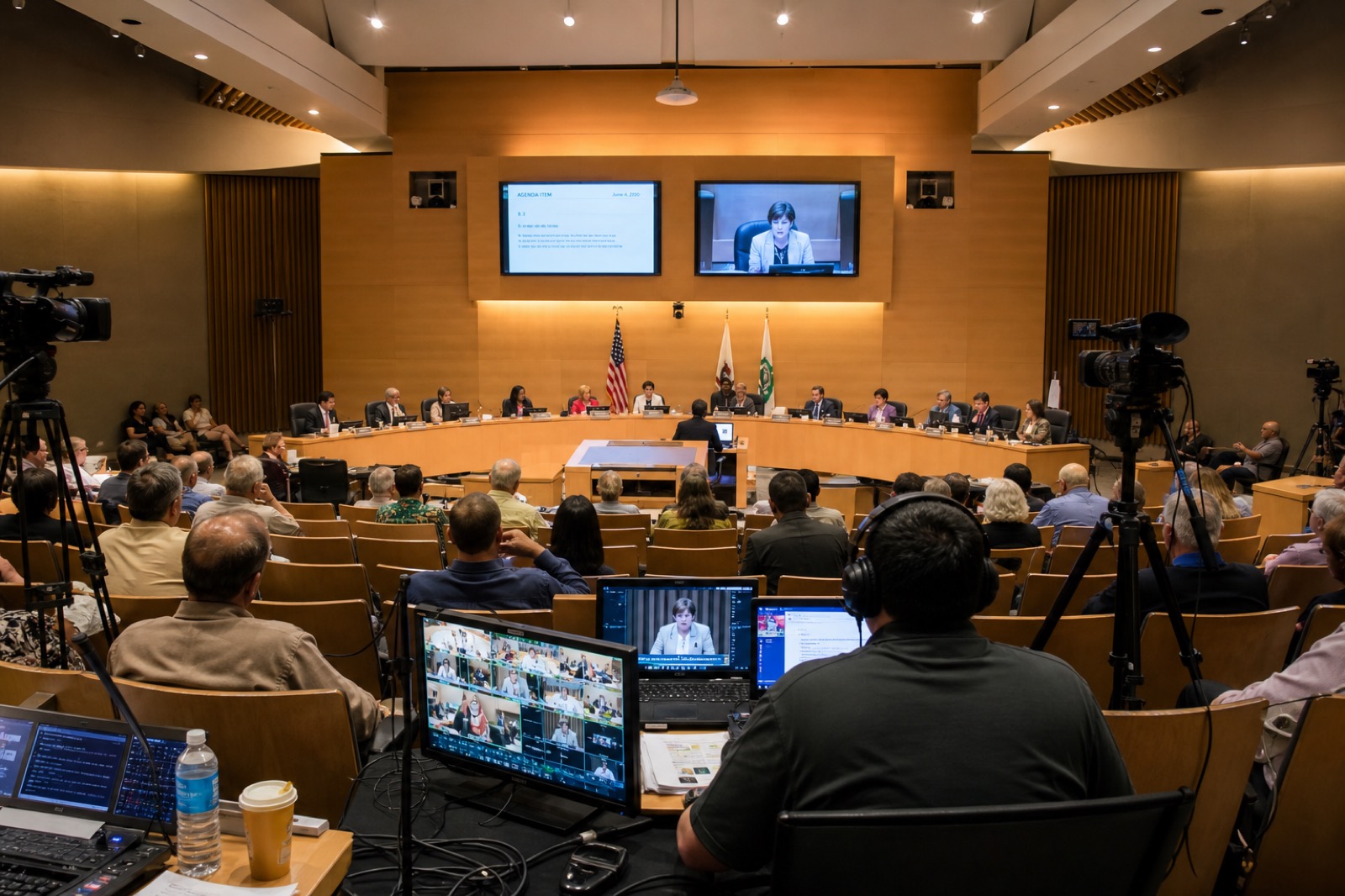
The DOJ Title II web rule is not only a website issue. Public meeting AV affects captions, archives, audio clarity, and digital access.

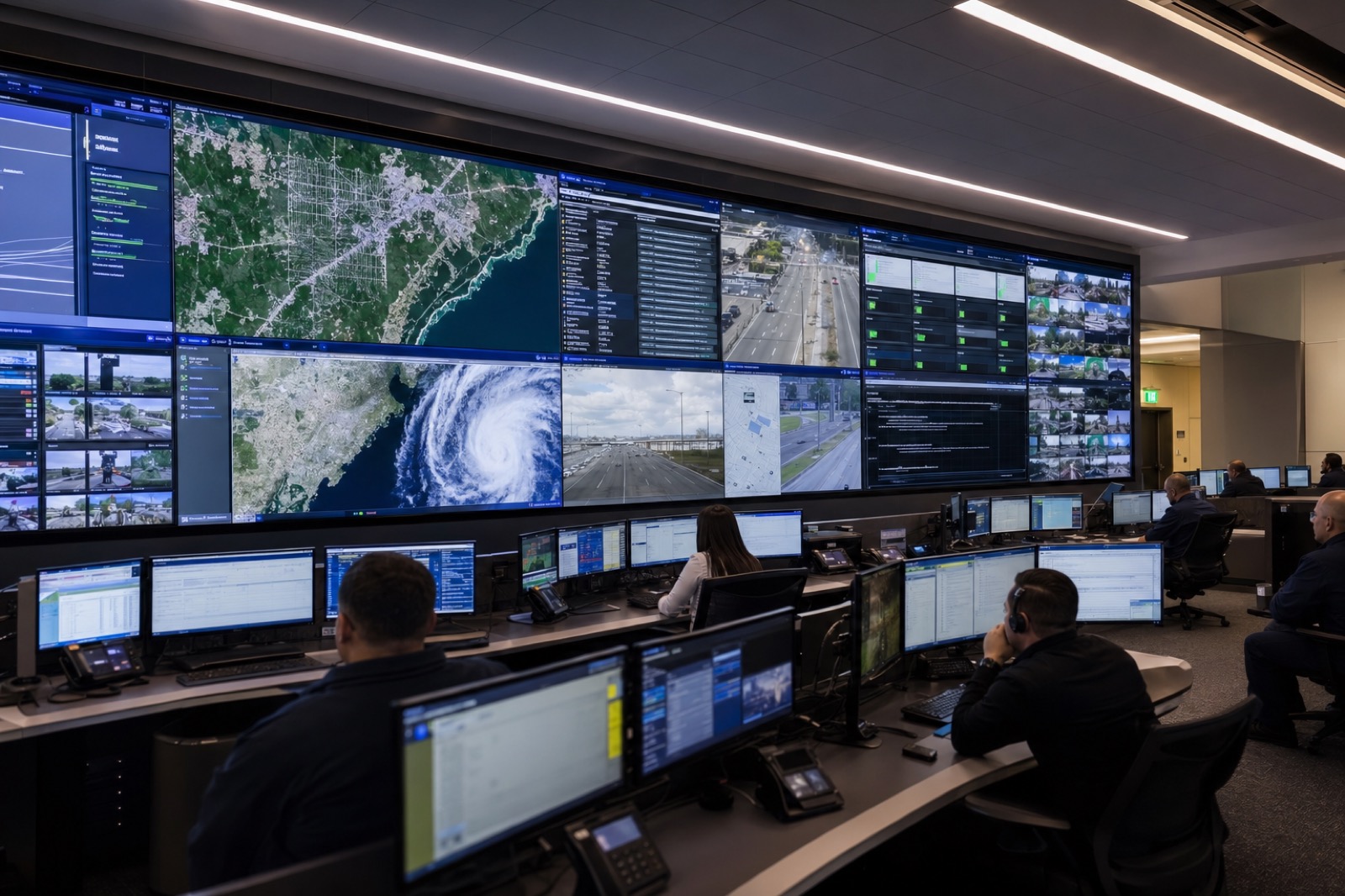
Hurricane season is a practical time to test whether an EOC can gather, display, share, and act on information under pressure.
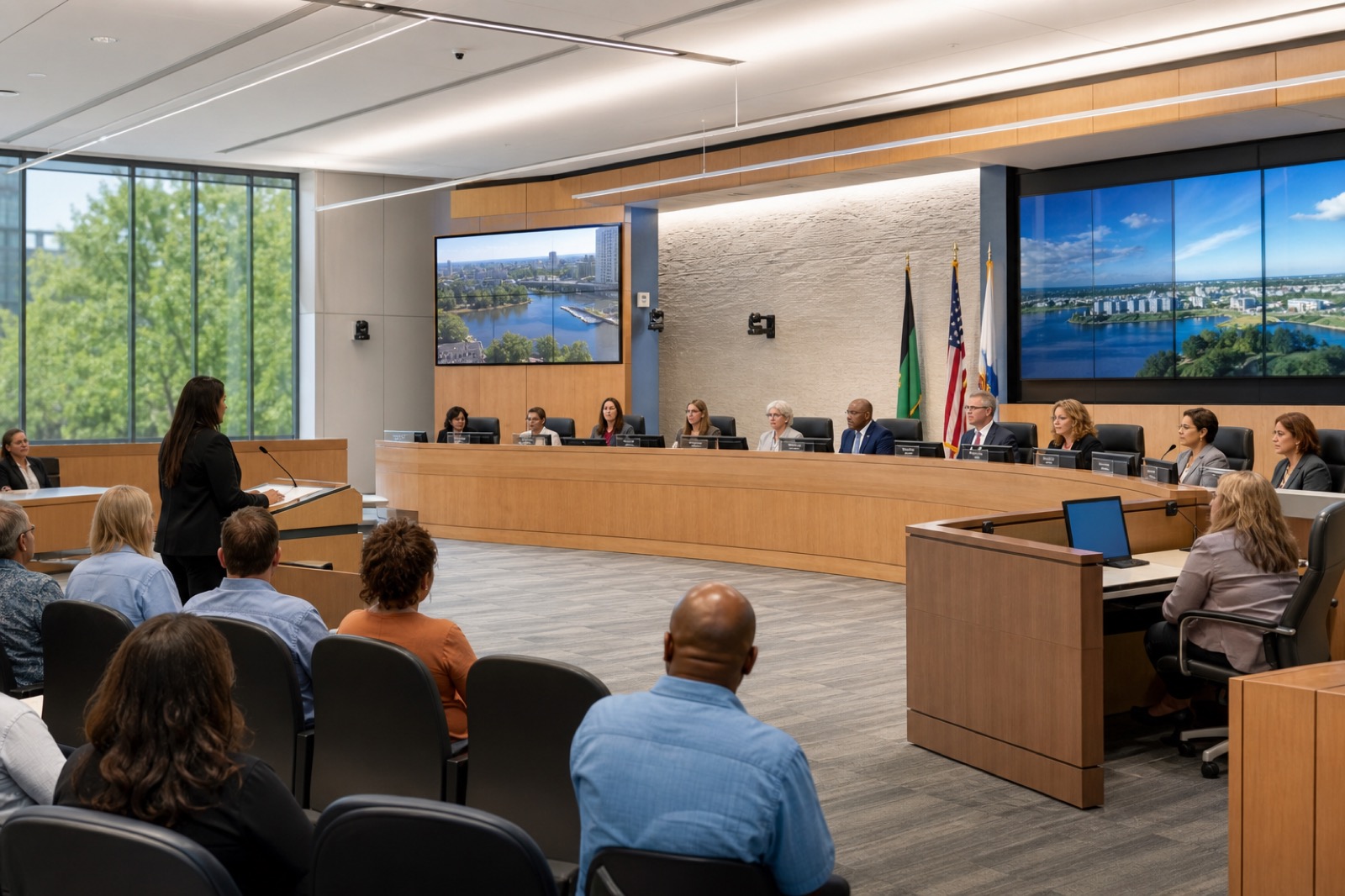
The value of a public meeting does not end when the stream stops. Citizens need clear audio, captions, archives, and usable search later.
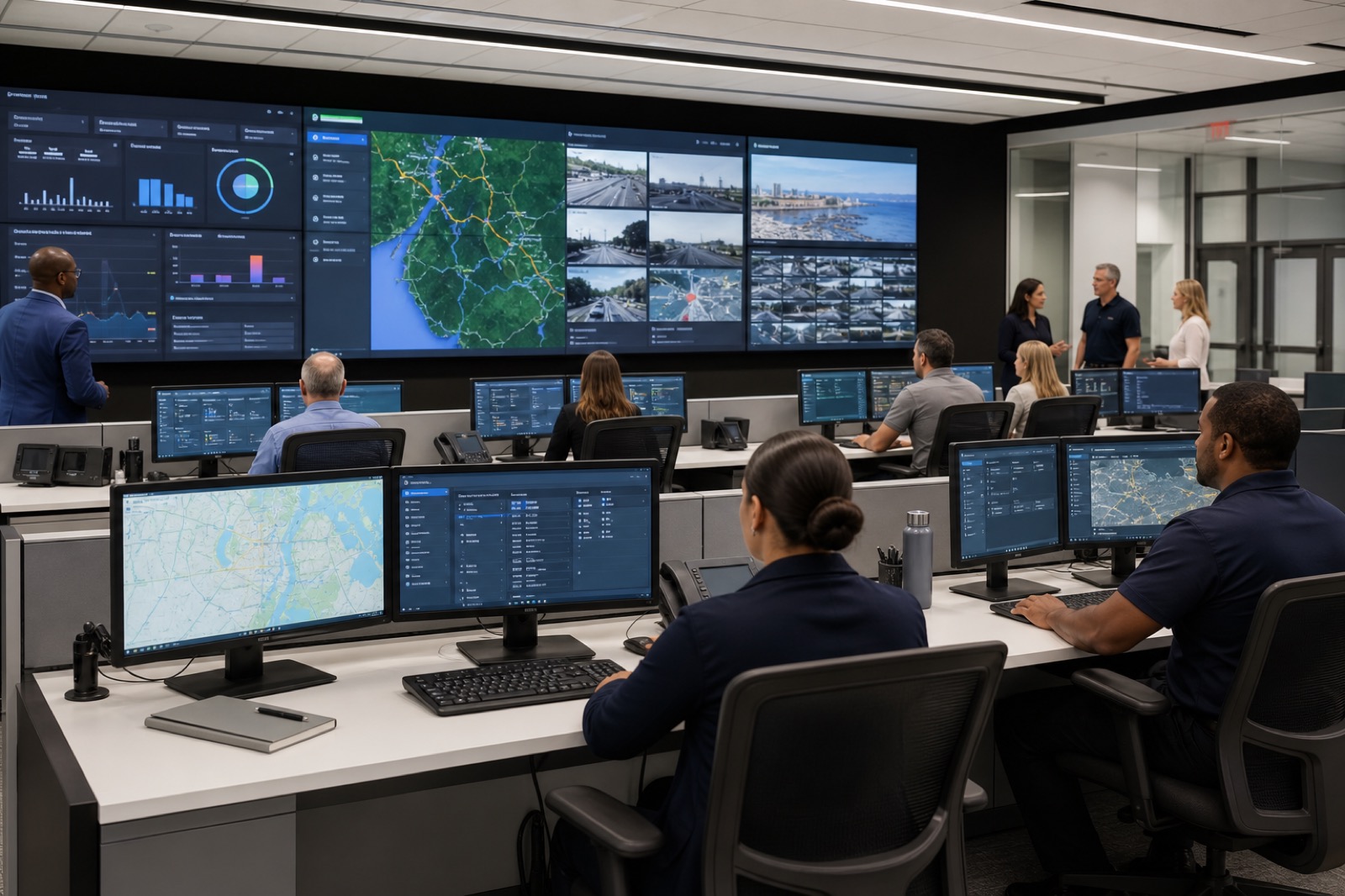
An EOC is not just a video wall. It is a resilient collaboration environment that must be ready before the next incident.
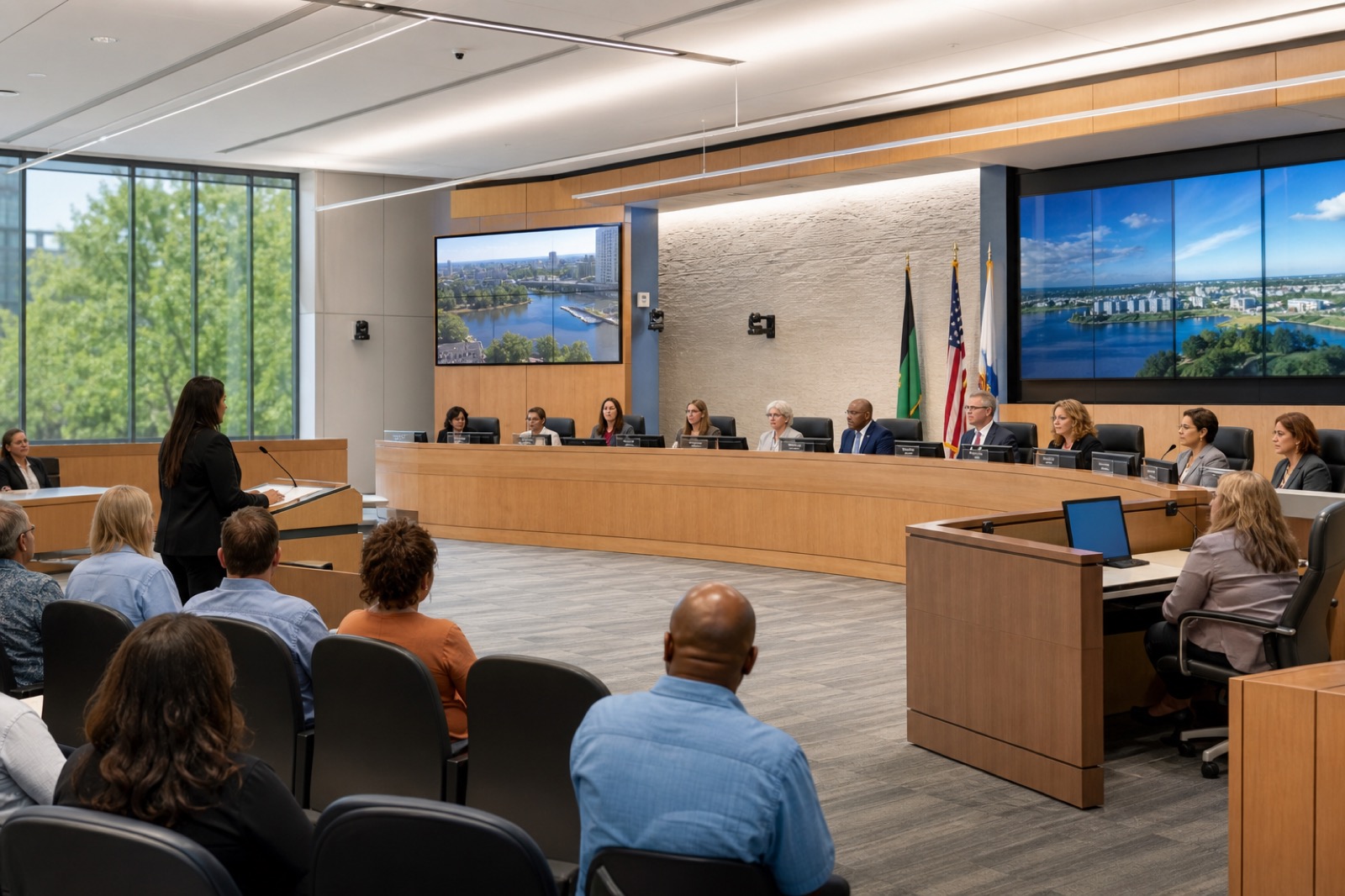
Council chamber AV is now public access infrastructure. Here is what local governments should plan for when modernizing hybrid public meeting spaces.
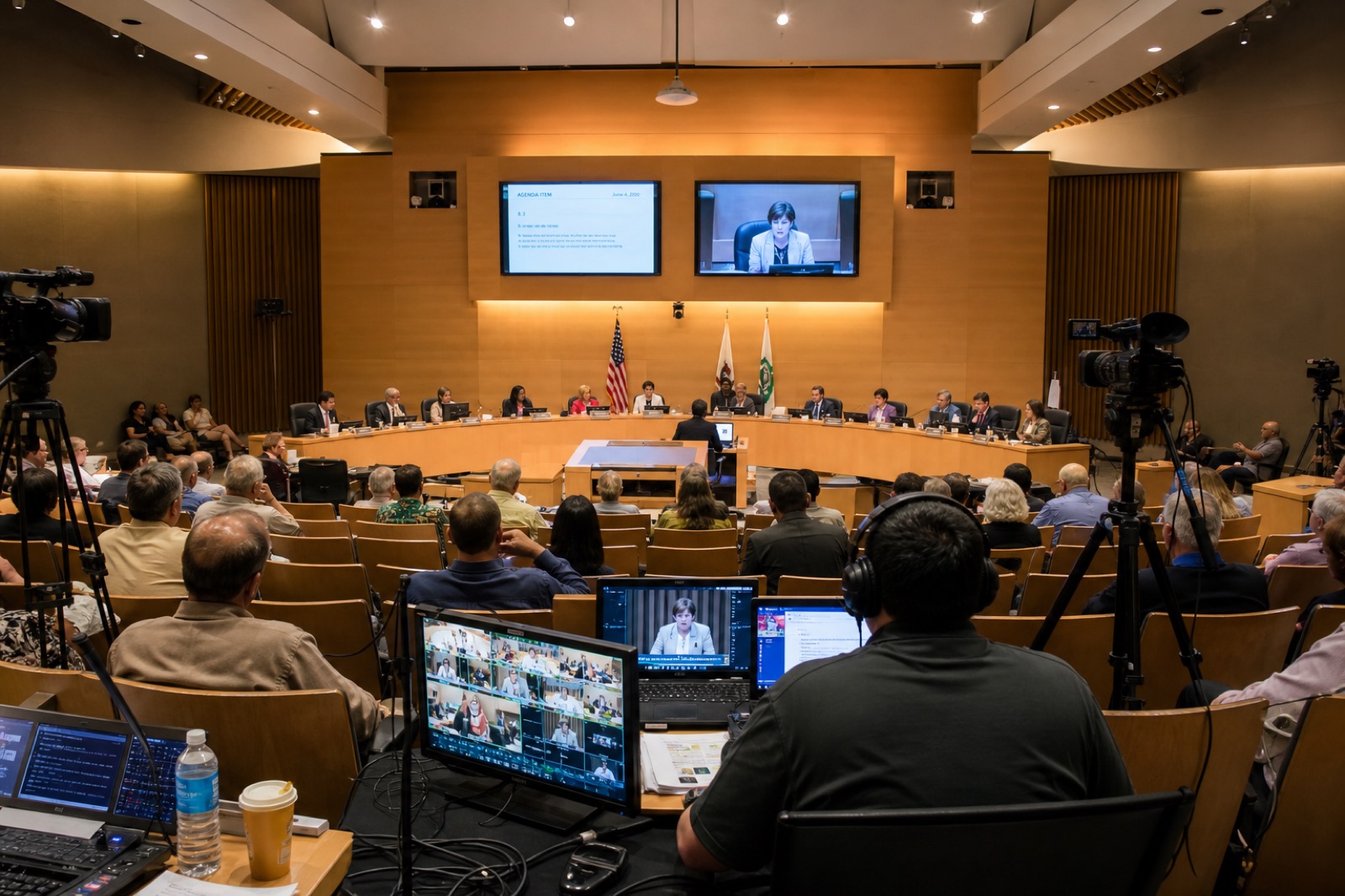
Accessible public meetings depend on more than a compliant website. Local governments need AV, streaming, archive, captioning, signage, procurement, and support workflows that make civic information usable for every resident.
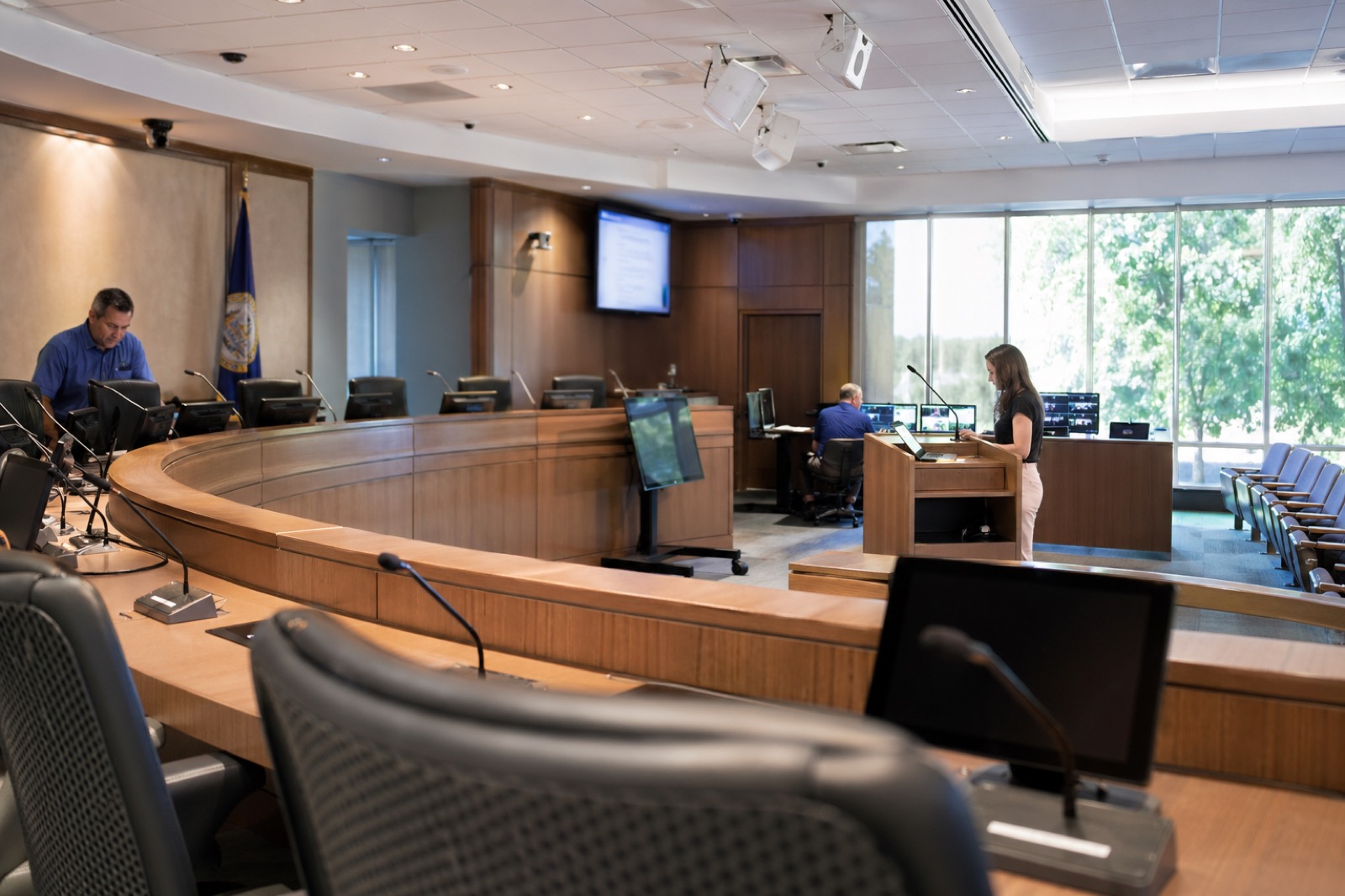
Council chamber AV has become civic infrastructure. This checklist helps local governments plan audio, video, streaming, accessibility, remote participation, and support without overcomplicating staff workflows.
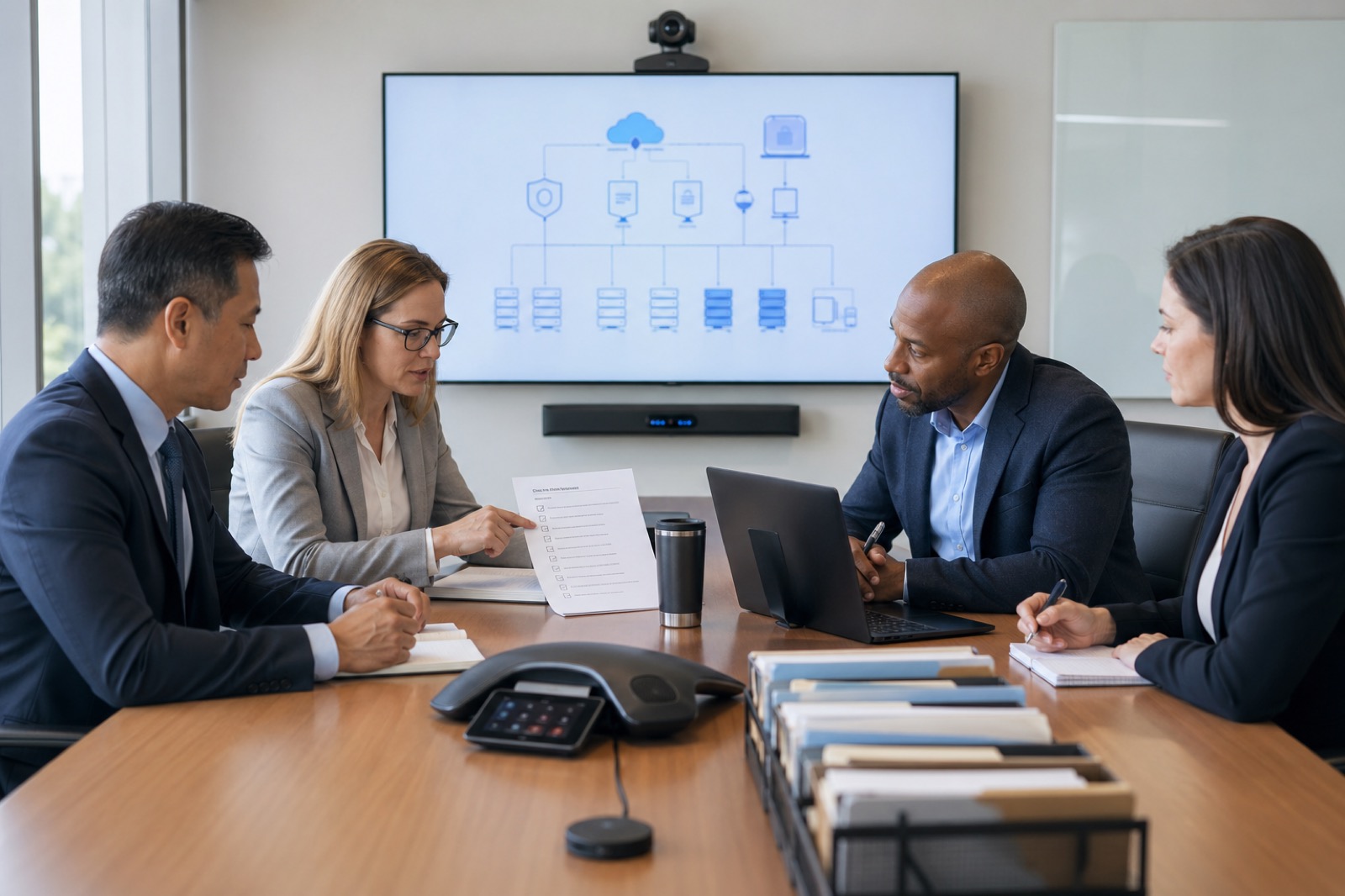
Government AV and UC systems are now connected technology environments. Better procurement questions can reduce cybersecurity, lifecycle, accessibility, and support risk before the project starts.