
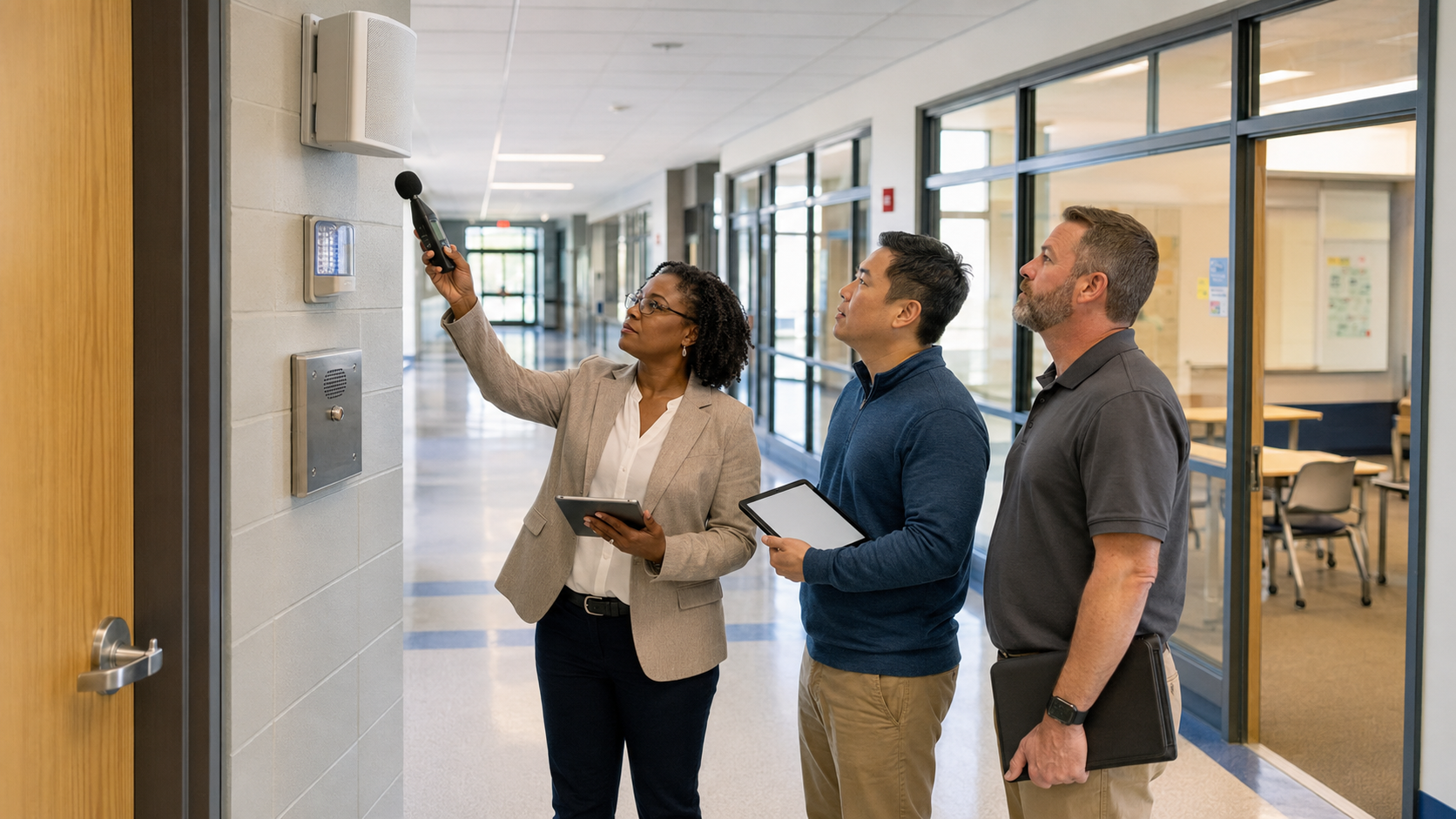
Virginia’s 2026–2027 School Security Equipment Grant application window closes August 1 at 5 p.m. A strong application starts with the emergency workflow and allowable-equipment rules—not a rushed product list.
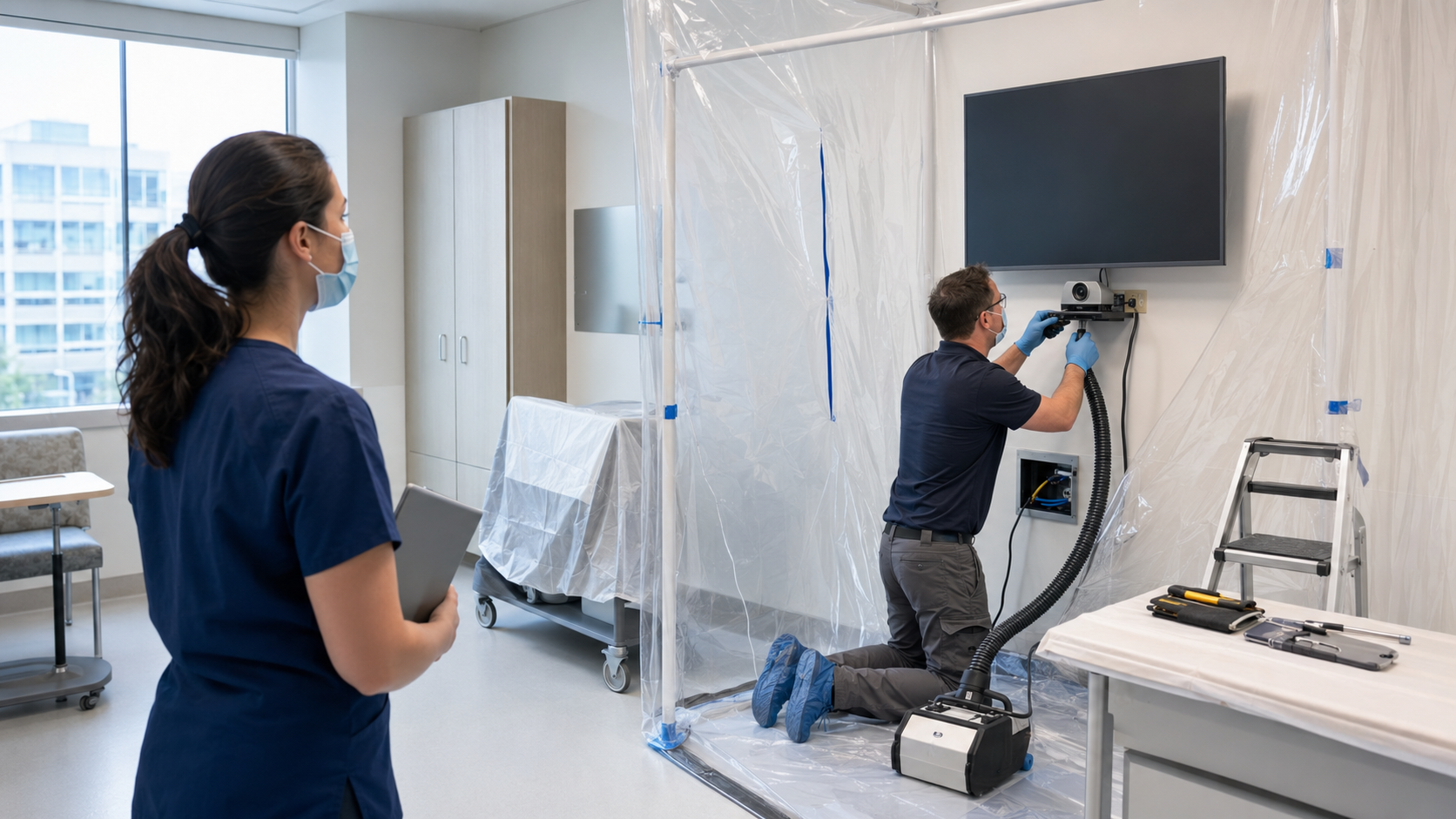
Even a small display, camera, or cabling project can disturb dust, enter a ceiling plenum, interrupt a clinical room, or introduce difficult-to-clean surfaces. Use an ICRA-aware workflow to coordinate AV work with infection prevention and clinical operations.

Virginia’s 2026–2028 biennium and FY2027 are underway. Agencies and localities can use the first 90 days to convert aging-room concerns into prioritized, procurement-ready AV projects.
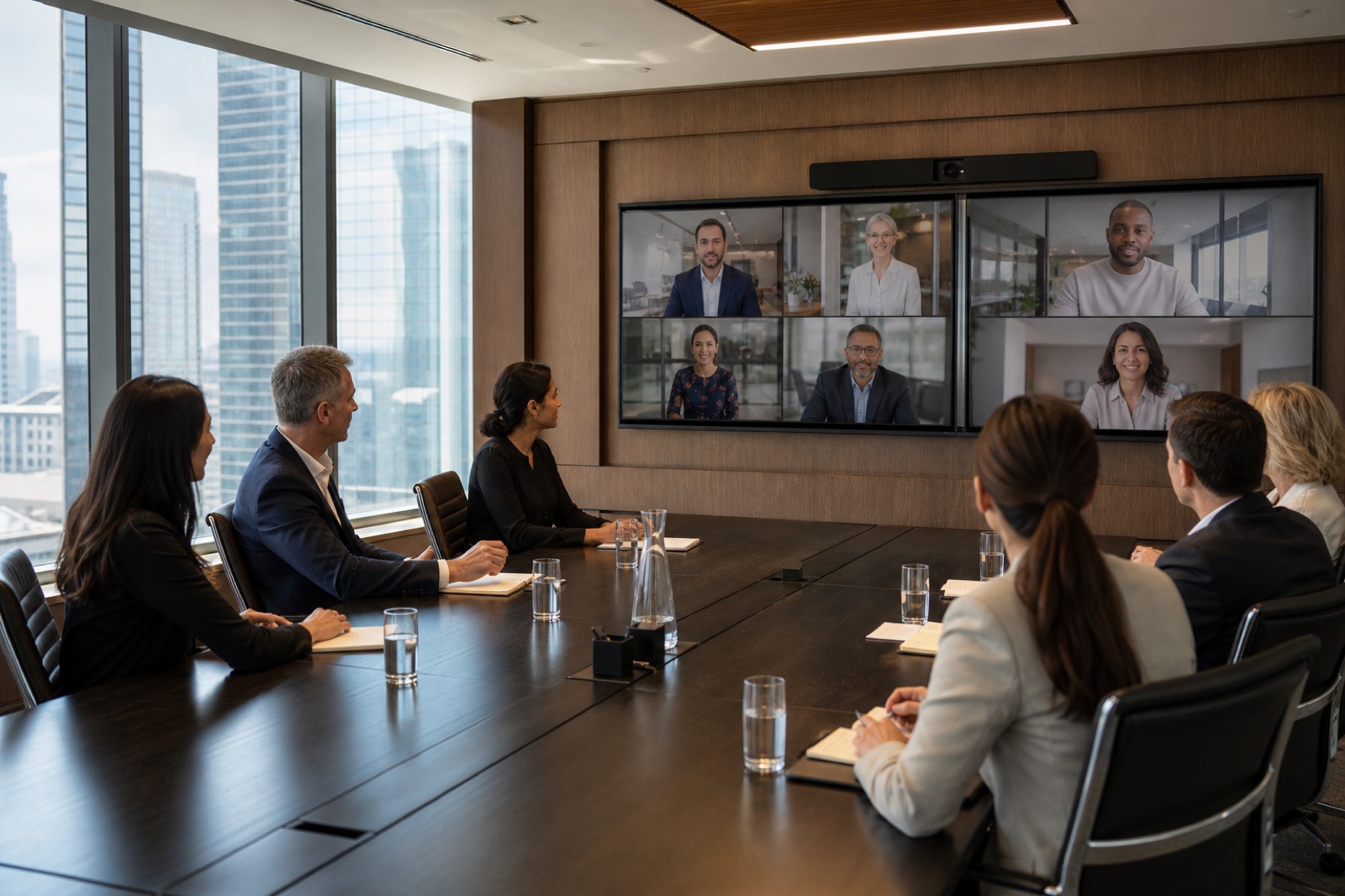
A golden room is a production-representative prototype used to prove a room archetype before a large rollout. Done well, it exposes workflow and support problems while they are still inexpensive to fix.
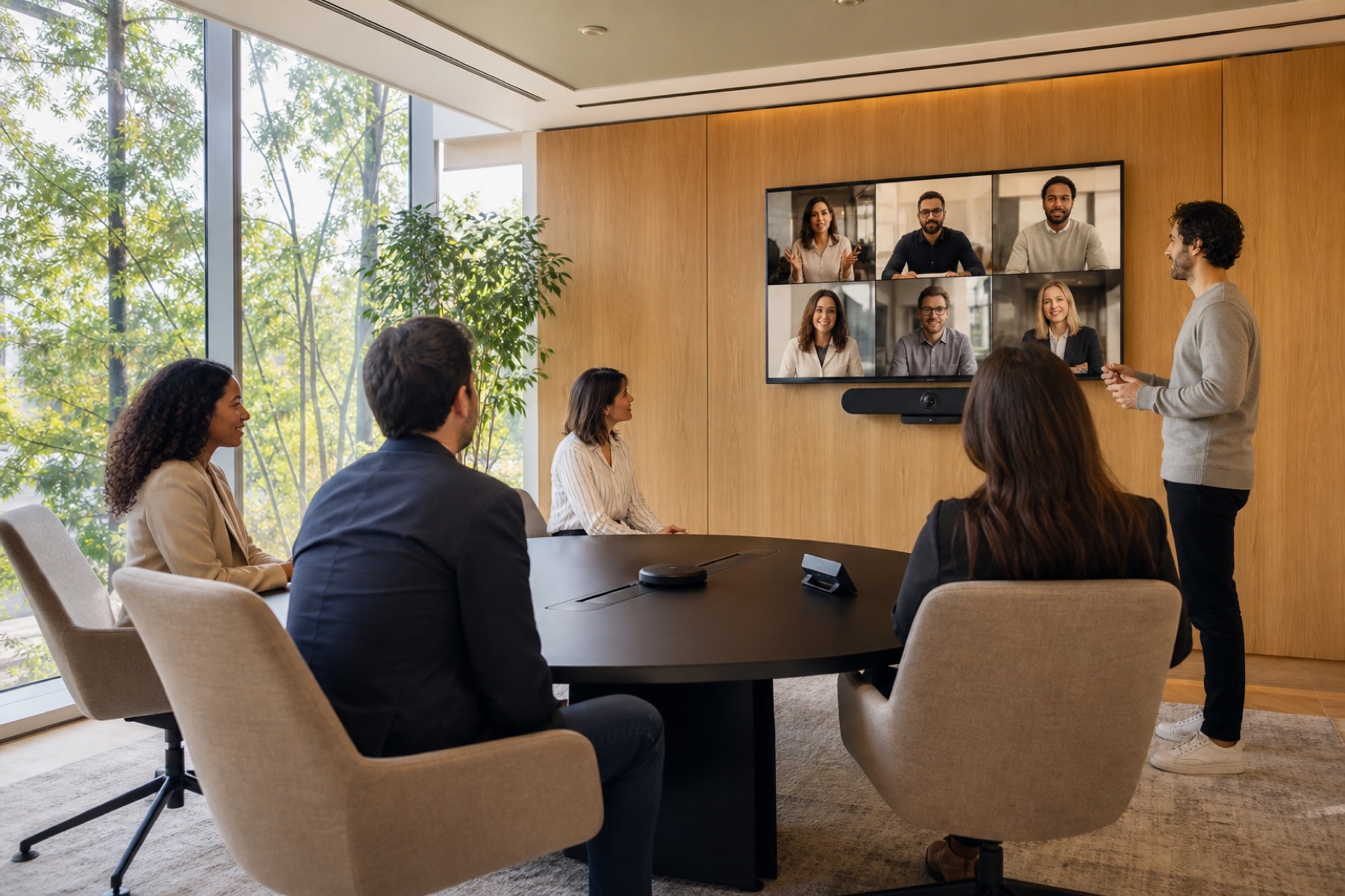
The DOJ extended Title II web and mobile accessibility compliance dates by one year. Public entities should use the extension to connect accessible web content with captions, intelligible audio, assistive listening, participation, and archived media.
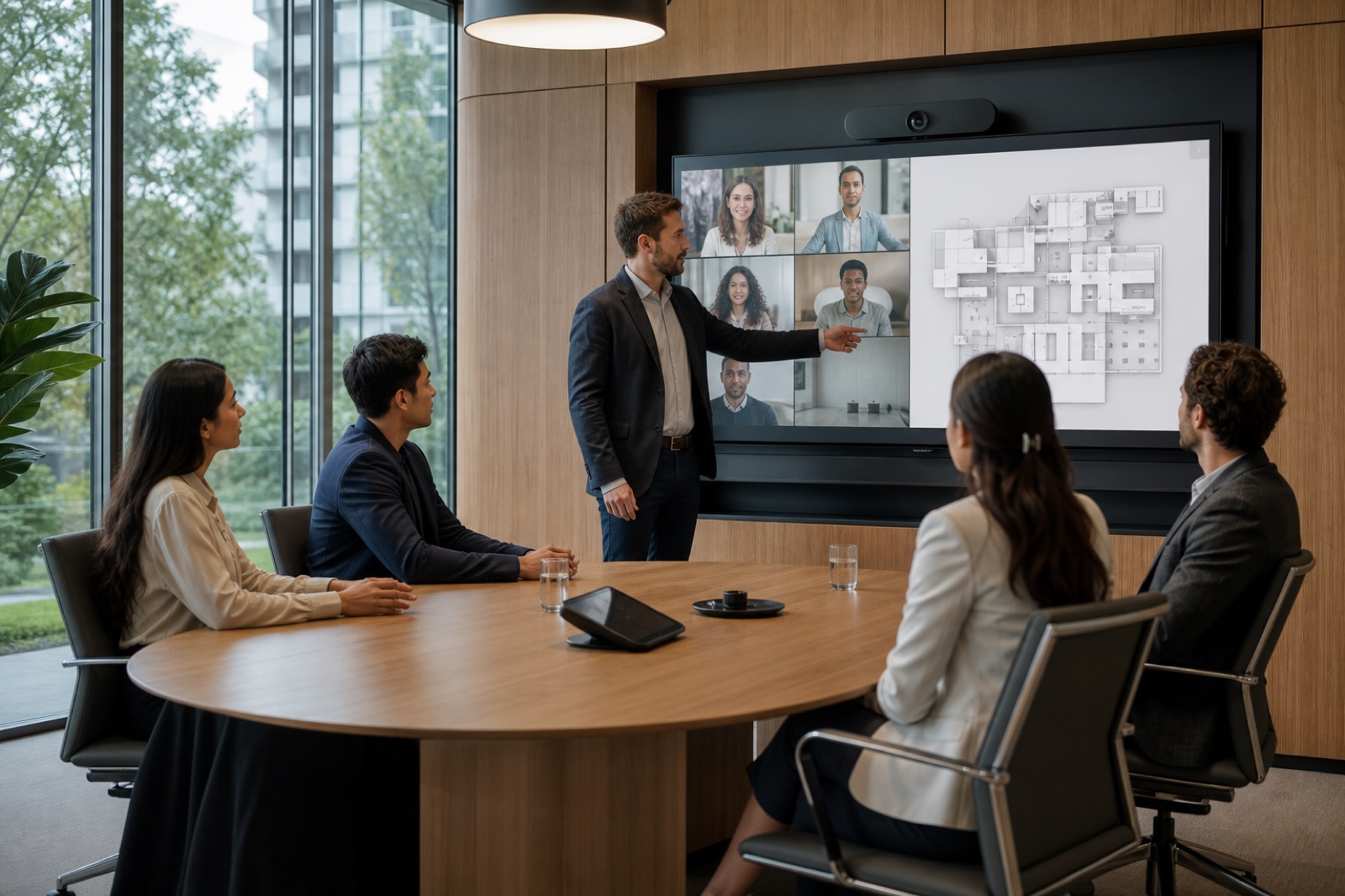
Virginia’s 2024 Computer Science Standards of Learning must be fully implemented in 2026–2027. Learning spaces should support live modeling, student creation, collaboration, and accessible sharing—not only front-of-room display.
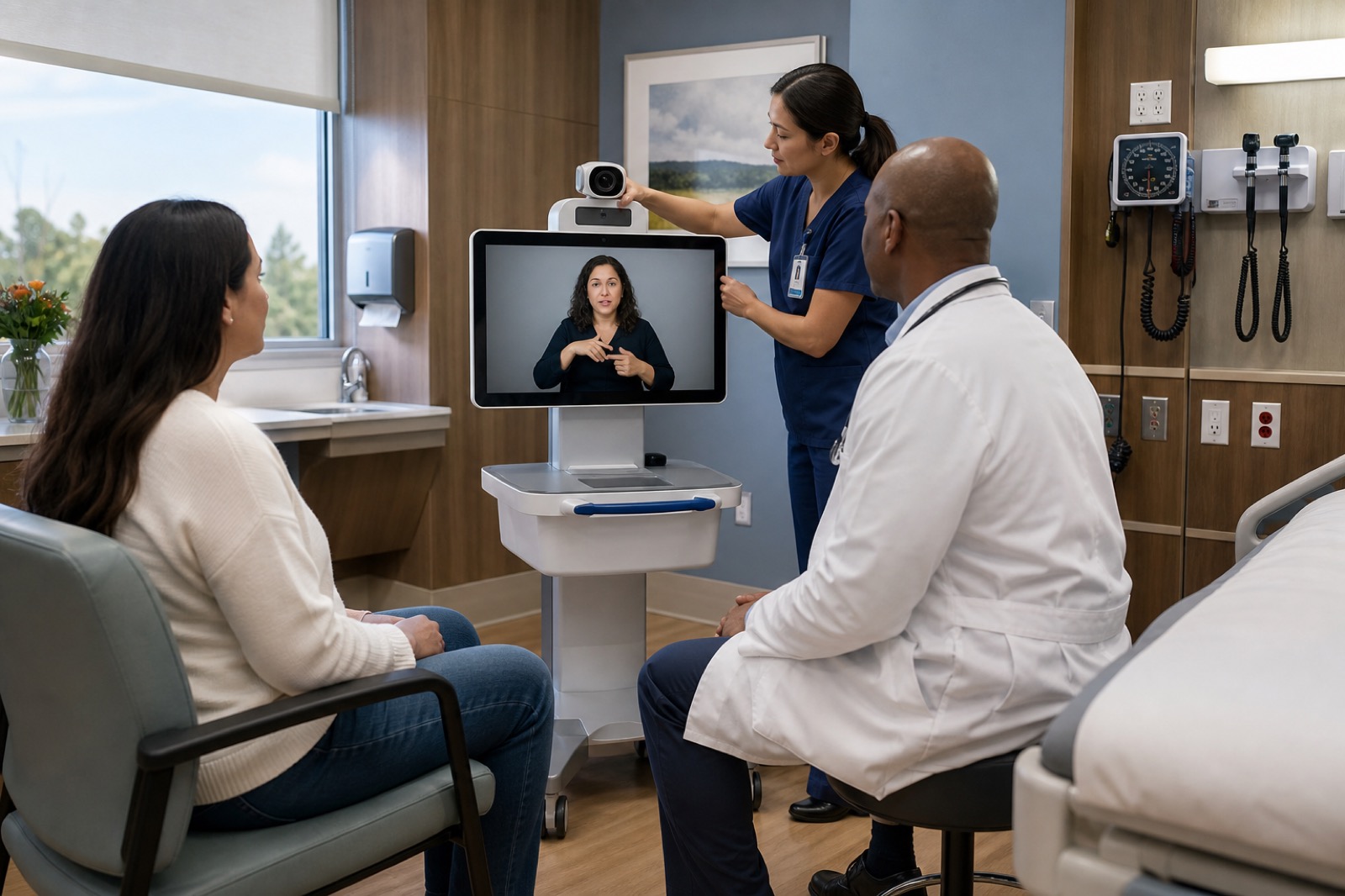
VRI is a clinical communication workflow, not a tablet on a cart. Hospitals should test the full path from request through interpreter connection, positioning, conversation, documentation, and fallback.
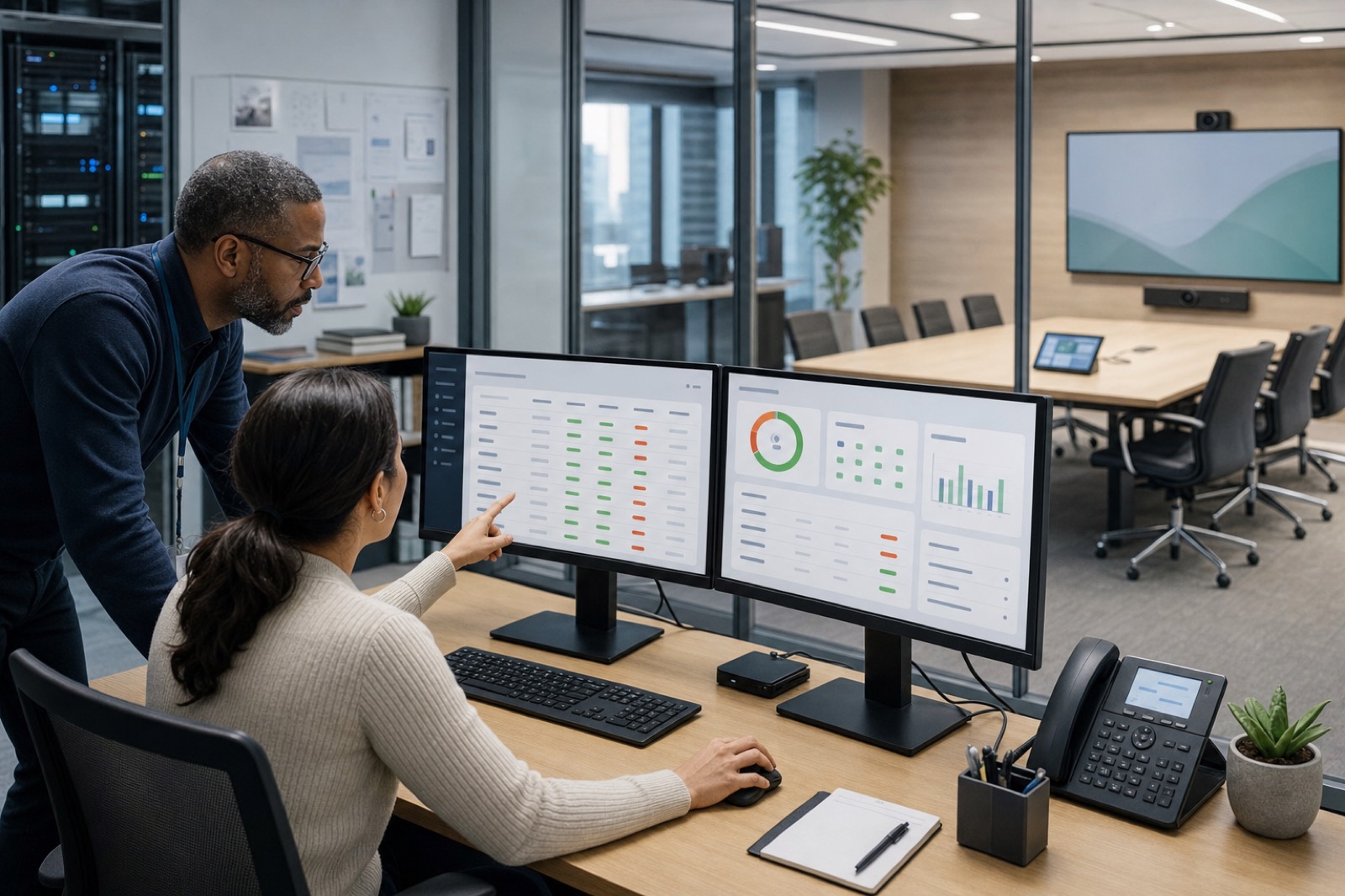
Meeting-room licensing is tied to resource accounts, device types, management capabilities, calling, booking, and security. Audit the deployed estate before renewal—not just the invoice.

If students cannot distinguish the words, making the system louder will not solve the problem. Classroom audio planning should address source quality, acoustics, coverage, assistive technology, and teacher workflow together.
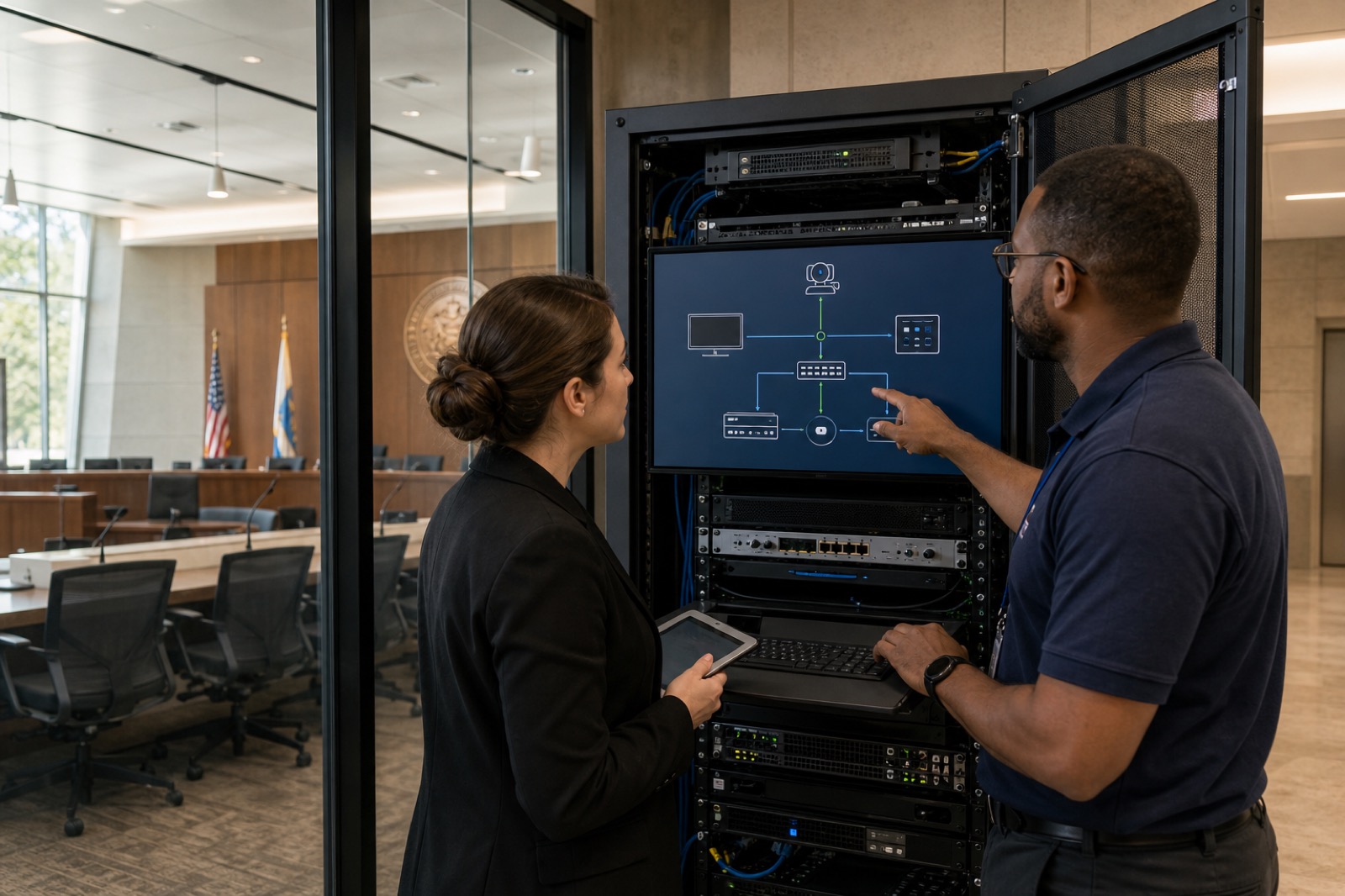
Networked cameras, displays, codecs, controllers, DSPs, encoders, and schedulers need the same lifecycle discipline as other connected technology. Ownership is the control that keeps every other control from becoming optional.
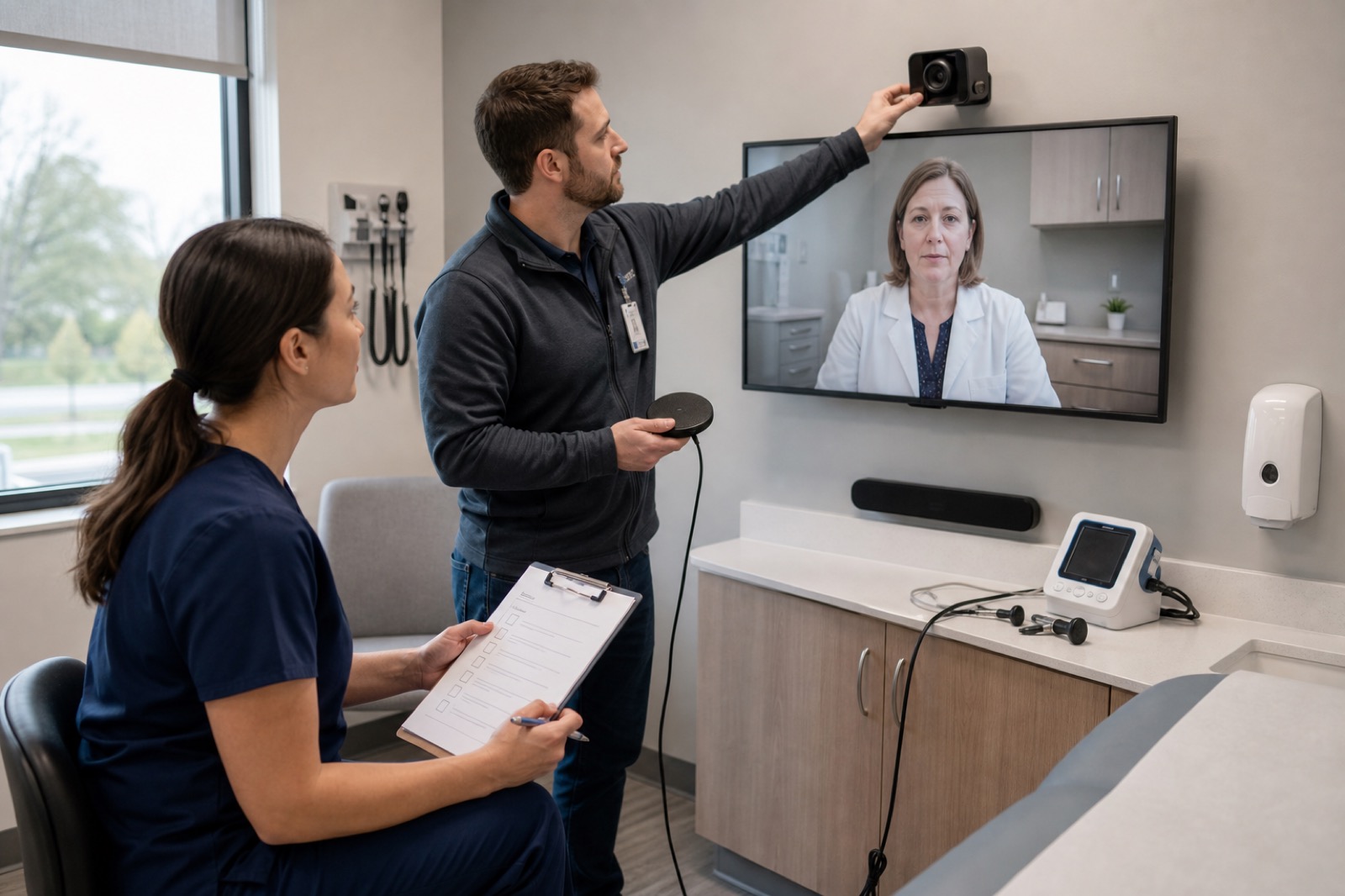
A successful test call does not prove that a telehealth room can support identification, consent, examination, documentation, escalation, privacy, and downtime recovery. Audit the entire clinical workflow.
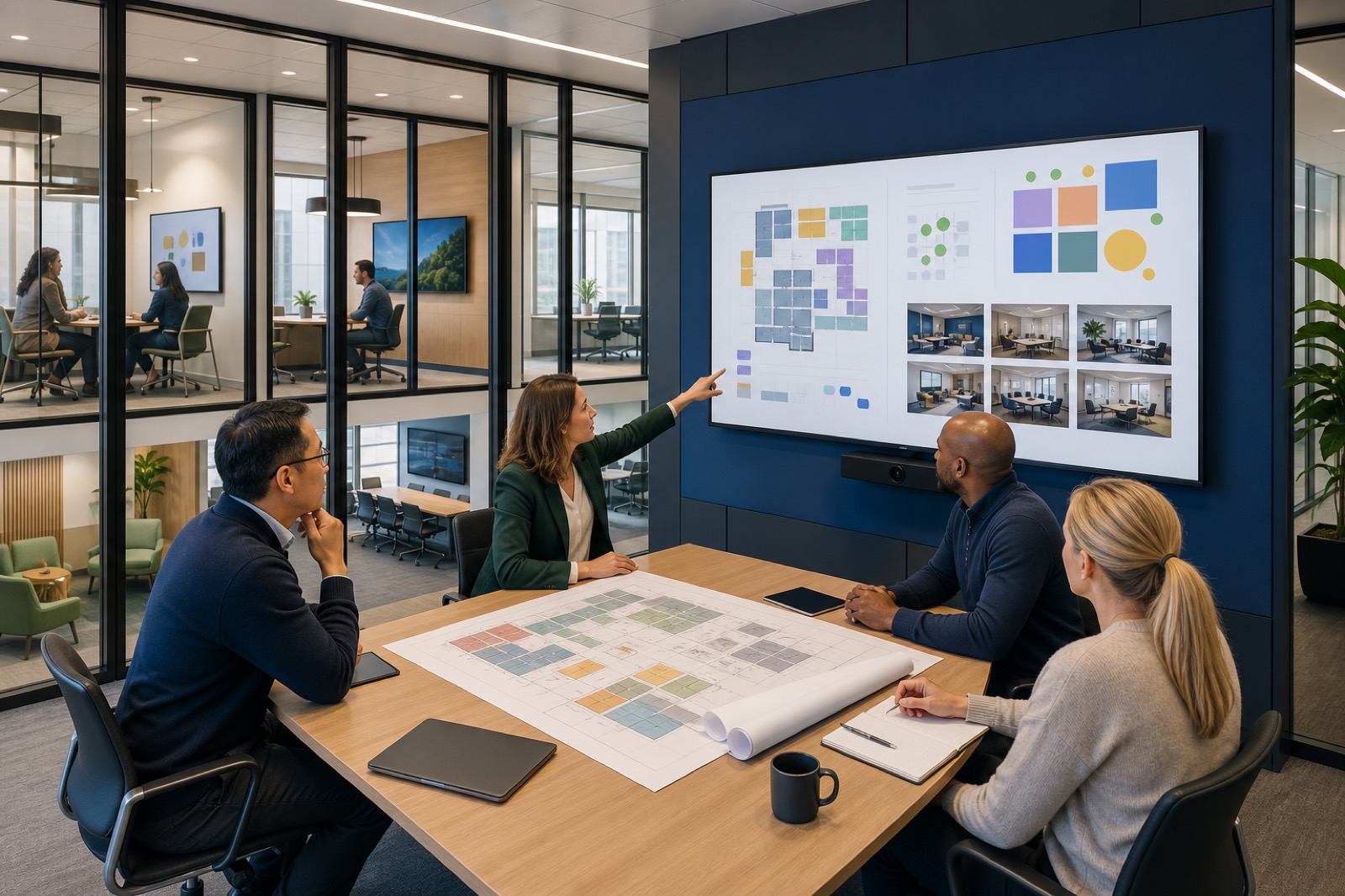
Product wish lists are easy to cut because they do not explain consequences. A room risk register connects AV investments to business impact, failure evidence, lifecycle status, and a credible remediation plan.
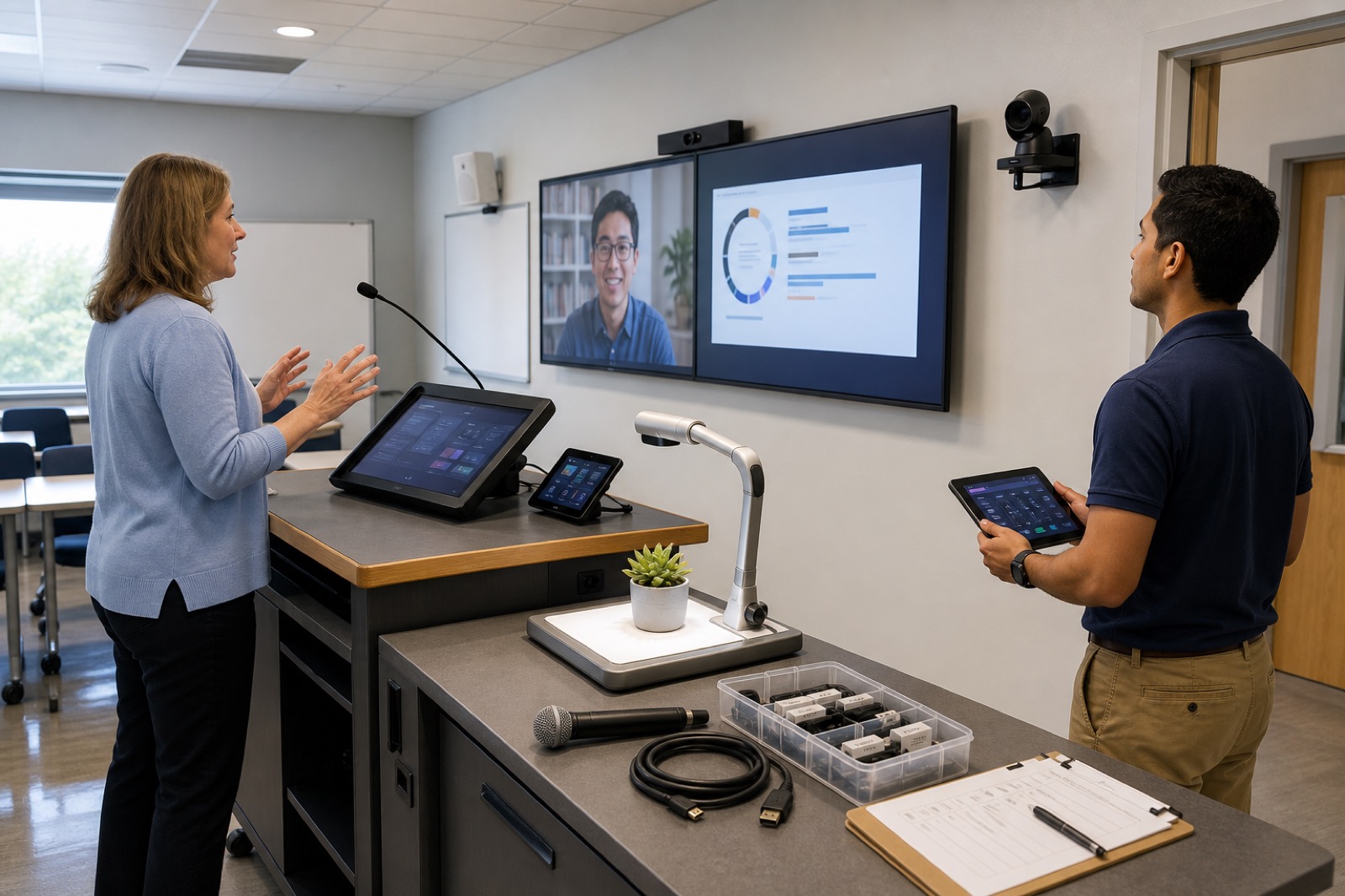
A green device dashboard does not prove that a professor can start class, share a laptop, use a document camera, include a remote student, recover from failure, and reach support. Drill the experience before opening day.
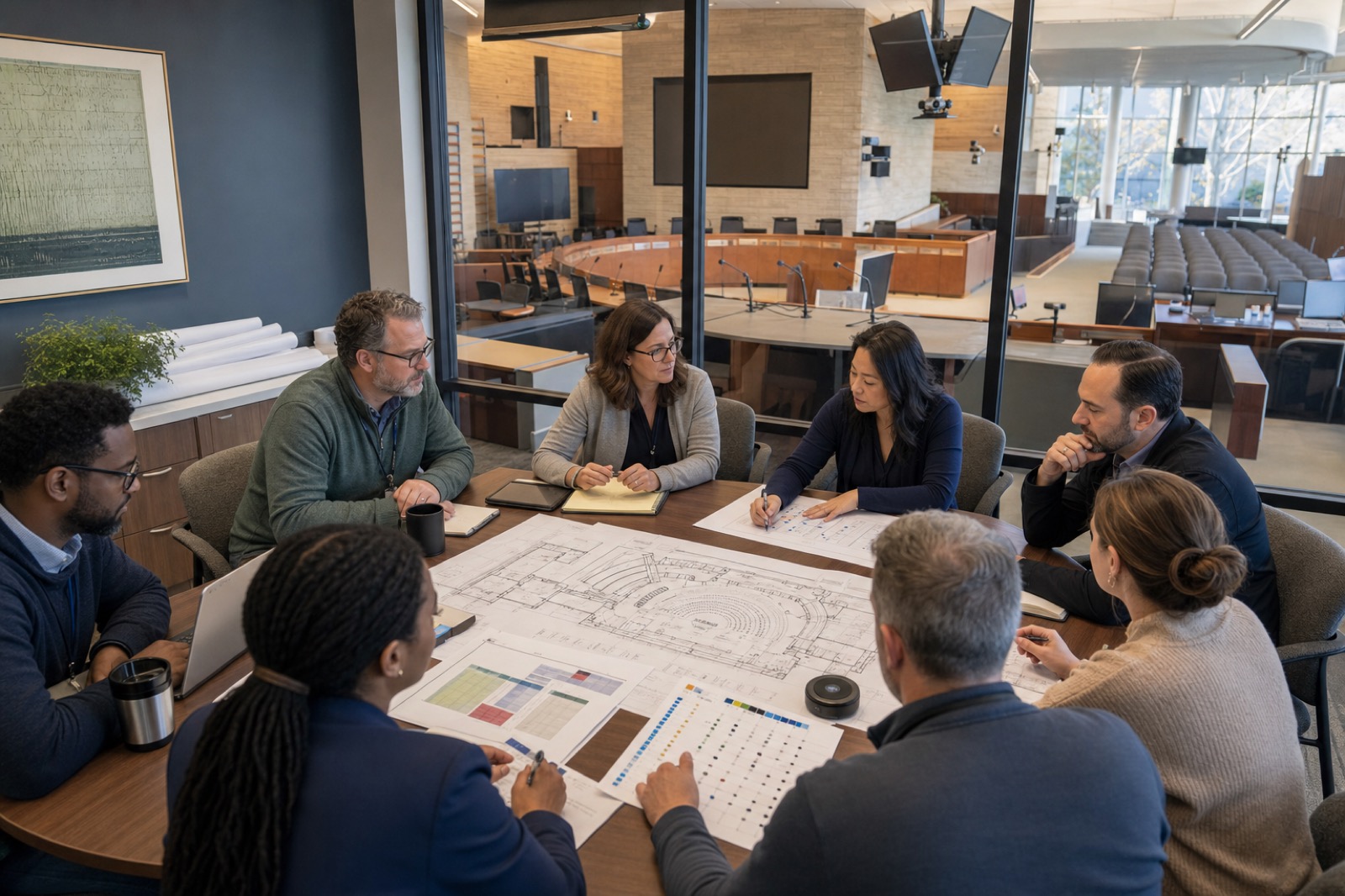
Public-sector AV projects often stall because critical decisions about network, construction, records, accessibility, security, procurement, and operations surface after the design is treated as finished. Use a cross-functional governance model instead.
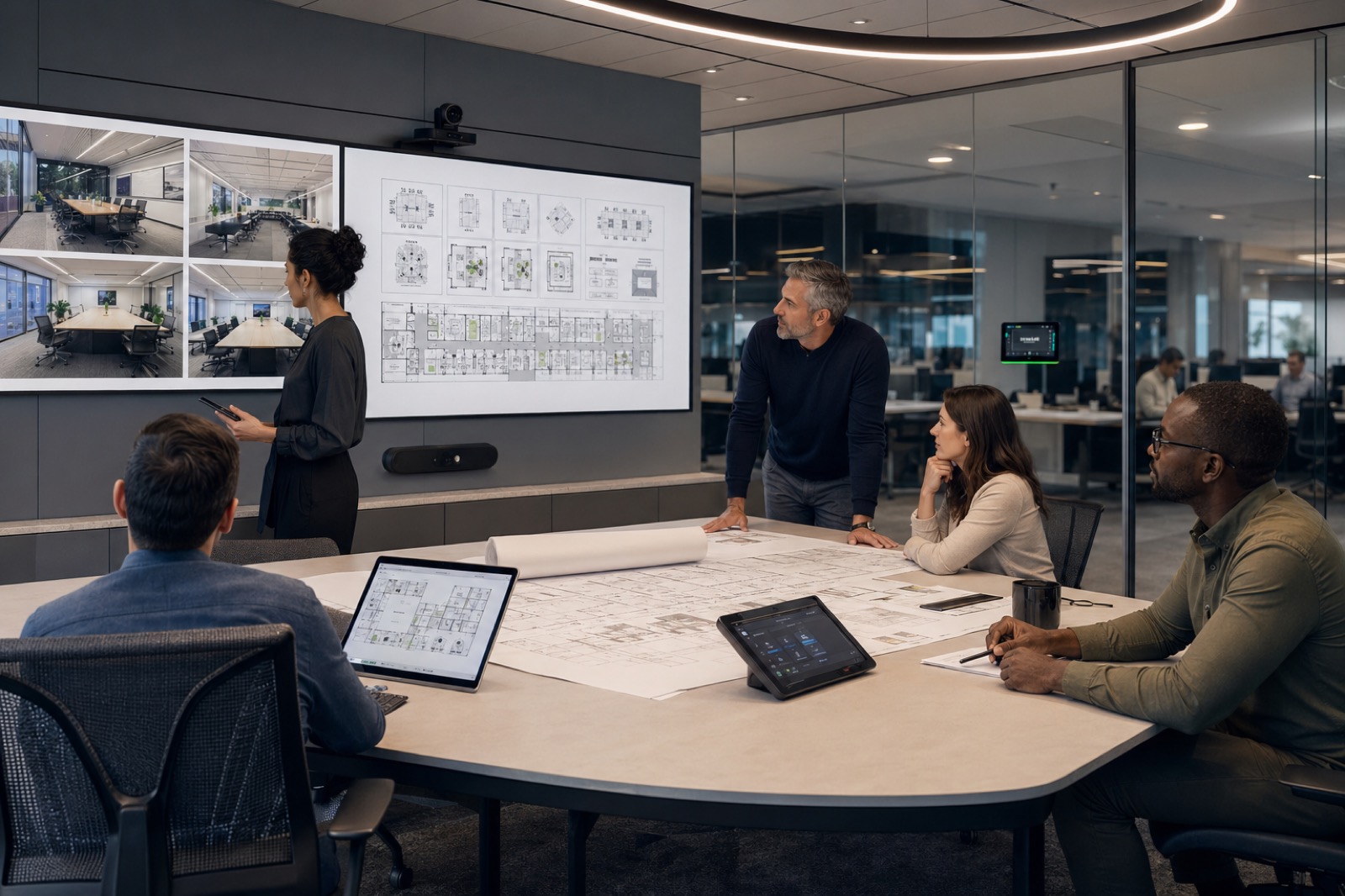
InfoComm 2026 runs June 13-19. Use this buyer debrief plan to turn AI, AV over IP, collaboration, broadcast, and managed operations themes into action after the show.
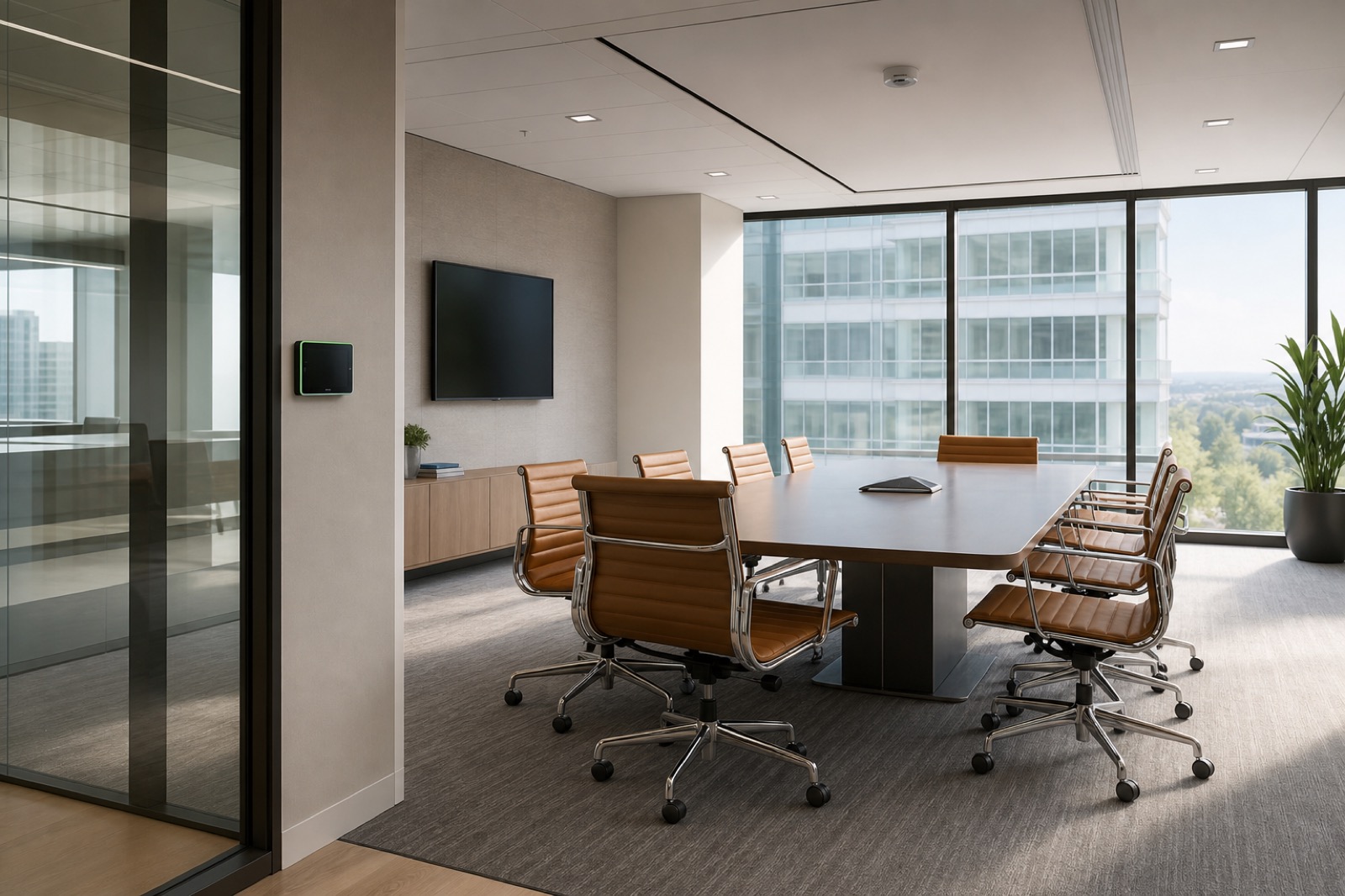
Smart rooms can improve space planning, support, energy use, and user experience. They also require transparent governance for data collection, access, retention, AI features, and employee trust.

AI in education will not succeed through software alone. Campuses need room standards that make capture, collaboration, privacy, and faculty adoption reliable.
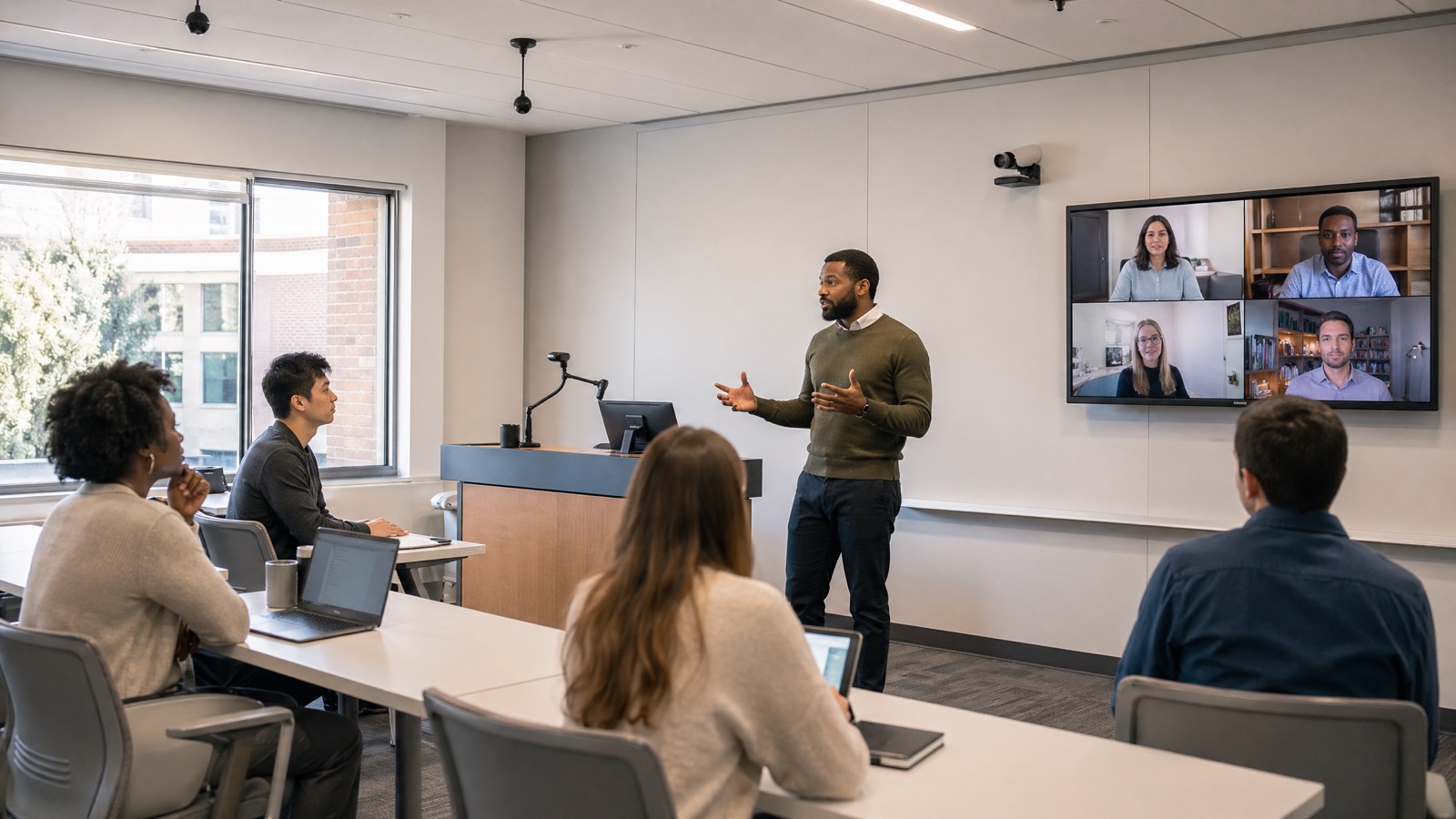
Lecture capture is now a core campus service. Colleges need a secure, usable checklist that protects student trust while supporting hybrid learning.
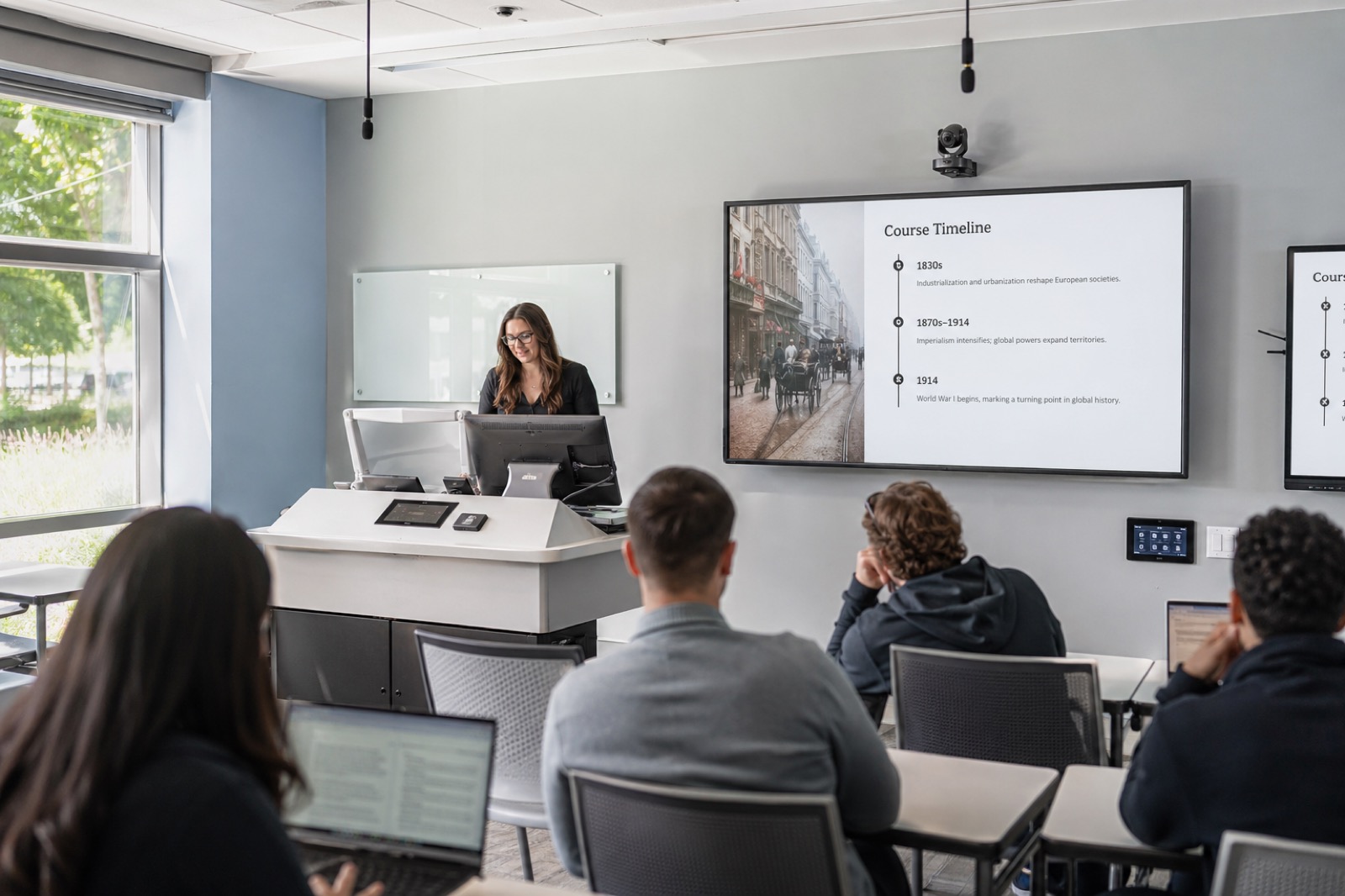
Summer is the narrow window to fix classroom technology before fall. This checklist helps education teams prioritize upgrades that teachers and faculty can actually use.
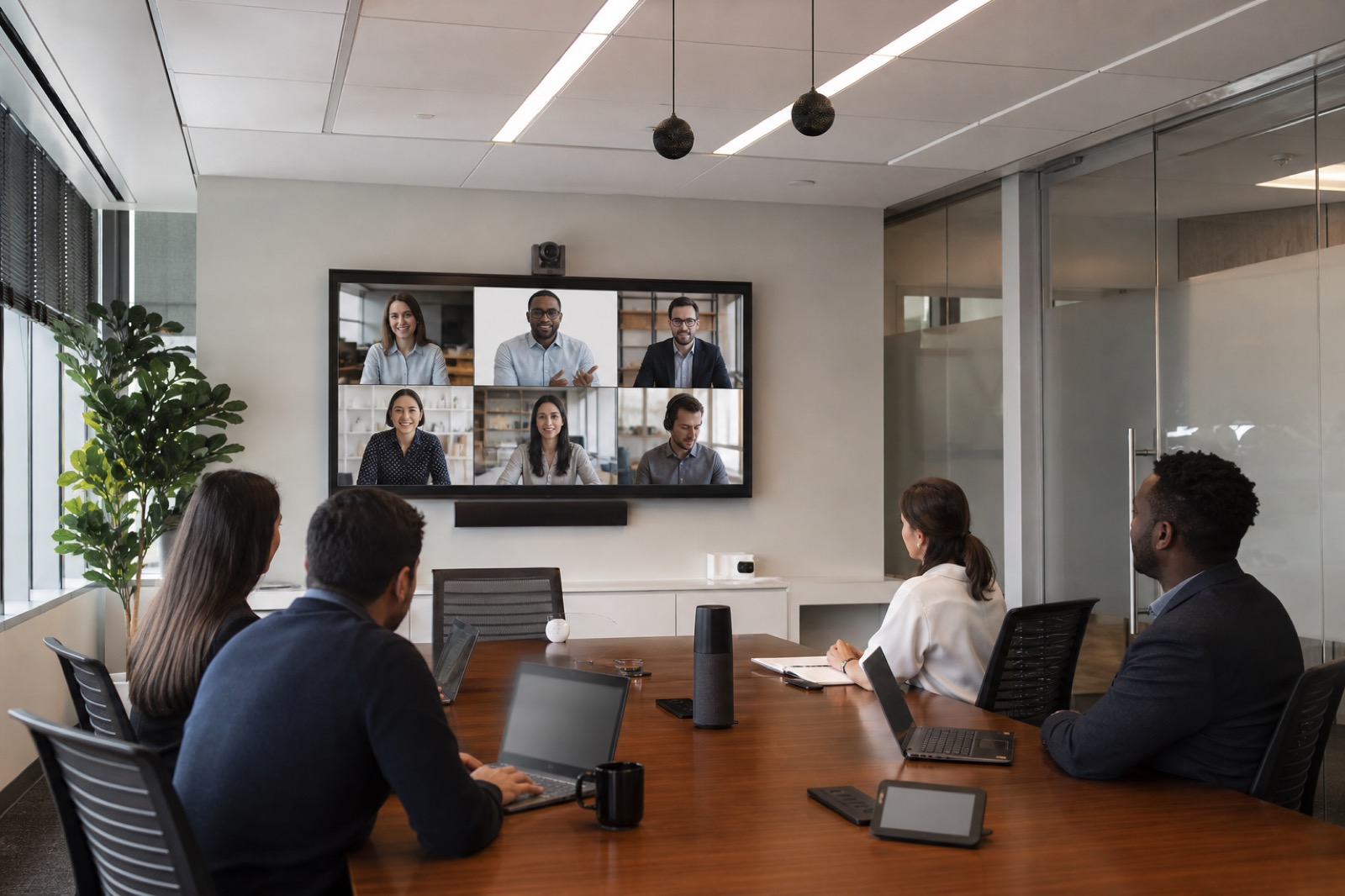
AI meeting assistants are only as useful as the rooms feeding them. Enterprises should audit audio, video, controls, governance, and support before rollout.