
The Extension Is Planning Runway, Not a Finish Line
HHS states that many Medicare telehealth flexibilities have been extended through December 31, 2027. That gives healthcare organizations more runway to plan, but it does not solve the technology experience inside clinics, specialty rooms, clinician offices, or virtual care spaces.
Telehealth success depends on patient trust, clinician adoption, secure workflows, reliable audio and video, documentation, support, and room usability. A policy extension does not make an improvised cart, poor camera angle, weak speaker, or confusing workflow feel dependable to a patient or clinician.
Define Room Types Before Buying Devices
Not every telehealth space needs the same standard. An ambulatory consult room, specialty consult room, behavioral health room, remote specialist office, admin office, and mobile cart may each have different requirements. Some need examination context. Some need privacy and calm conversation. Some need content sharing or family participation.
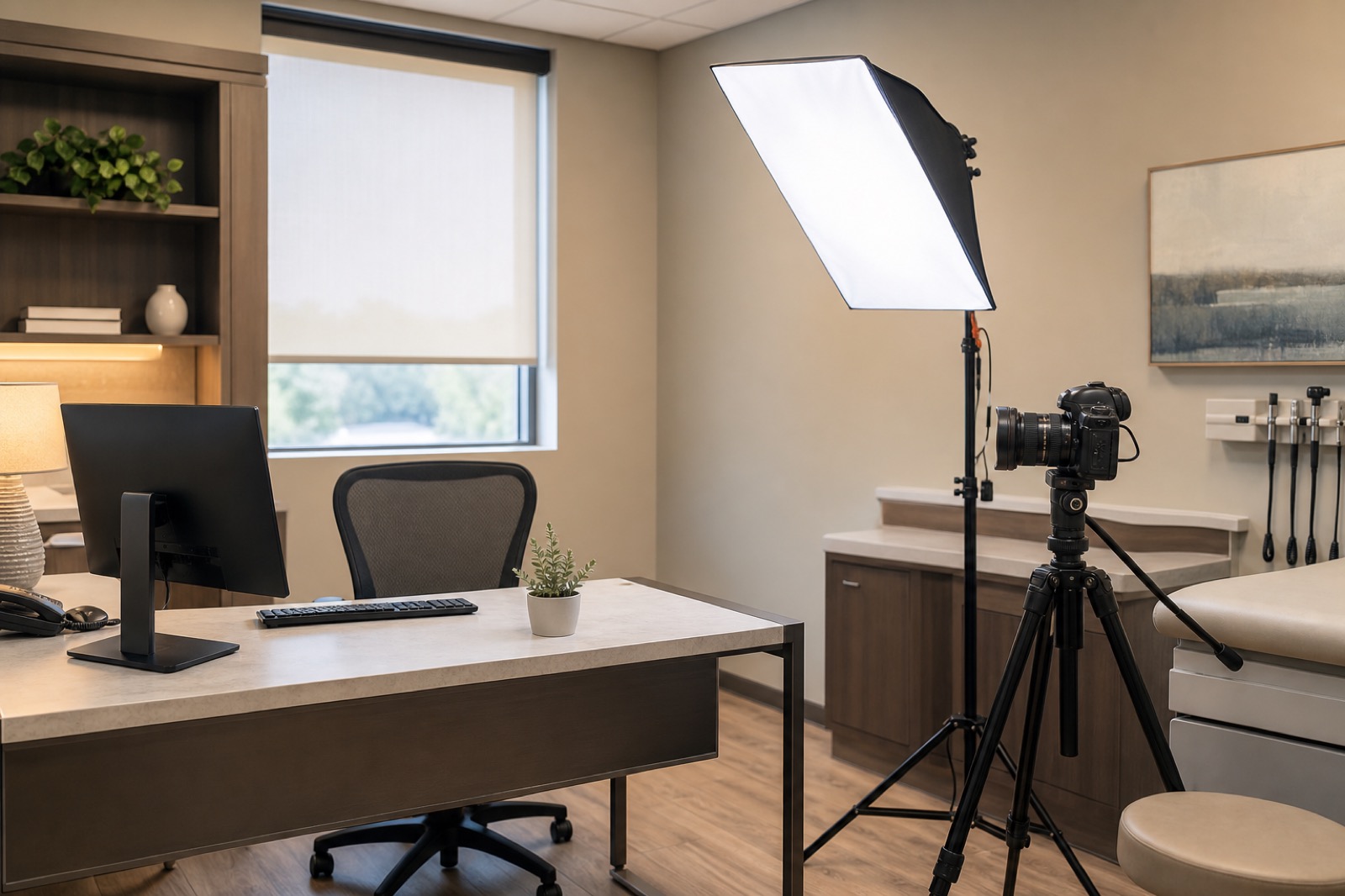
Room standards should define camera placement, microphone approach, speaker intelligibility, display size, lighting, privacy, controls, backup workflows, mounting, cleaning considerations, and support ownership. The goal is consistency by use case, not identical equipment everywhere.
Patient and Clinician Experience Are Technical Requirements
A patient should know who is joining, where to look, how to hear, and whether the interaction feels private. A clinician should be able to start the visit, share information, adjust the room, and recover from problems without losing focus. Those are not soft requirements. They determine adoption.
Audio and lighting are often underestimated. If the clinician cannot hear the patient clearly, or the patient cannot see the clinician comfortably, the visit feels less trustworthy. A telehealth room standard should test the experience from both sides.
HIPAA Technology Questions Still Matter
Healthcare teams should review approved platforms, BAAs where required, encryption, access, audit logs, documentation, retention, support, and vendor responsibilities. This article is not legal or reimbursement advice, but telehealth technology should be aligned with privacy and compliance expectations before it scales.
Support procedures also matter. If a device fails, does staff know the backup path? Are spares available? Can support see room health? Are updates scheduled? Is the telehealth workflow documented enough for new staff?
Prioritize Standardization Without Overbuilding
The best programs usually start with high-value room types and repeatable workflows. Build a standard for common consult spaces, then adapt for specialty needs. Review patient feedback, clinician satisfaction, room uptime, failed visit reasons, and support tickets before expanding.
VIcom helps healthcare organizations define telehealth room standards that connect AV, UC, privacy expectations, clinician workflow, and managed support. The next phase of telehealth should feel dependable by design, not temporary by habit.
A Telehealth Room Standard Should Fit the Visit Type
A behavioral health consult room may prioritize privacy, comfortable sightlines, and discreet audio. A specialty consult room may need better camera positioning, content sharing, or peripheral device planning. A clinician office may need a professional camera, lighting, headset strategy, and an approved platform path. A mobile cart may need battery discipline, cleaning workflow, and storage rules.
Write the standard by visit type instead of buying the same cart for every need. Include camera height, display placement, microphone distance, speaker privacy, lighting, patient instructions, approved platform, support path, and backup workflow. Then test the standard with a mock patient and clinician, not only with an IT staff member on a quick call.
The Technology Review Should Include HIPAA Workflows
HHS guidance points healthcare providers toward technology safeguards and appropriate business associate arrangements where required. For room planning, that means asking how the platform handles access, recording, chat, screen sharing, audit logs, retention, and support. A telehealth room should not make it easy to create an unmanaged PHI record by accident.
The practical failure to avoid is a clinician solving a room problem with a consumer workaround. If the approved room path is unreliable, staff will find another path. Better standards reduce that temptation by making the secure workflow the easiest workflow.
Standardize the Support Model With the Room
Telehealth rooms need support standards as much as device standards. A clinician should know who to call when the camera fails, whether a backup room exists, how to switch to audio-only when appropriate, and what to tell the patient if the visit must be rescheduled. The support path should be short enough to use during a clinic schedule, not hidden in a project binder.
Room health checks can be simple. Before a clinic day, verify camera, microphone, speaker, display, platform login, network, and any required peripherals. For specialty spaces, add the specific source or device that visit depends on. Track failed visits by reason so the organization can see whether problems come from rooms, platforms, scheduling, training, or patient access.
This is also where standardization prevents overbuilding. A basic follow-up room, a specialty consult room, and a behavioral health room can share a support model while using different AV designs. The common operating layer makes the program easier to scale.
For regional health systems, the standard should also travel across clinics. A patient should not experience one telehealth workflow in Virginia Beach and a completely different one in a satellite specialty office unless the clinical use case requires it. Consistency helps patients trust the model and helps support teams resolve problems faster.
When the room standard is documented, include patient instructions too. A simple explanation of where to sit, what will appear on screen, and how privacy is handled can make a telehealth visit feel more intentional.
Use the 2027 telehealth runway to standardize the rooms and workflows clinicians actually use. VIcom can help review telehealth spaces, HIPAA-sensitive AV decisions, and support readiness; connect with VIcom by filling out the form below.